Breaking Down Multiplication: Distributive Method Made Easy
Welcome, fabulous teachers and awesome parents! Today, we're diving into the wonderful world of the Distributive Property of Multiplication. If you're thinking, "Wait, distributive what now?" don’t worry—we’re going to break it down (pun intended 😉), make it fun, and turn you into a multiplication master. Grab your coffee, sit back, and let’s sprinkle a little magic on those multiplication problems!
Why the Distributive Method of Multiplication?
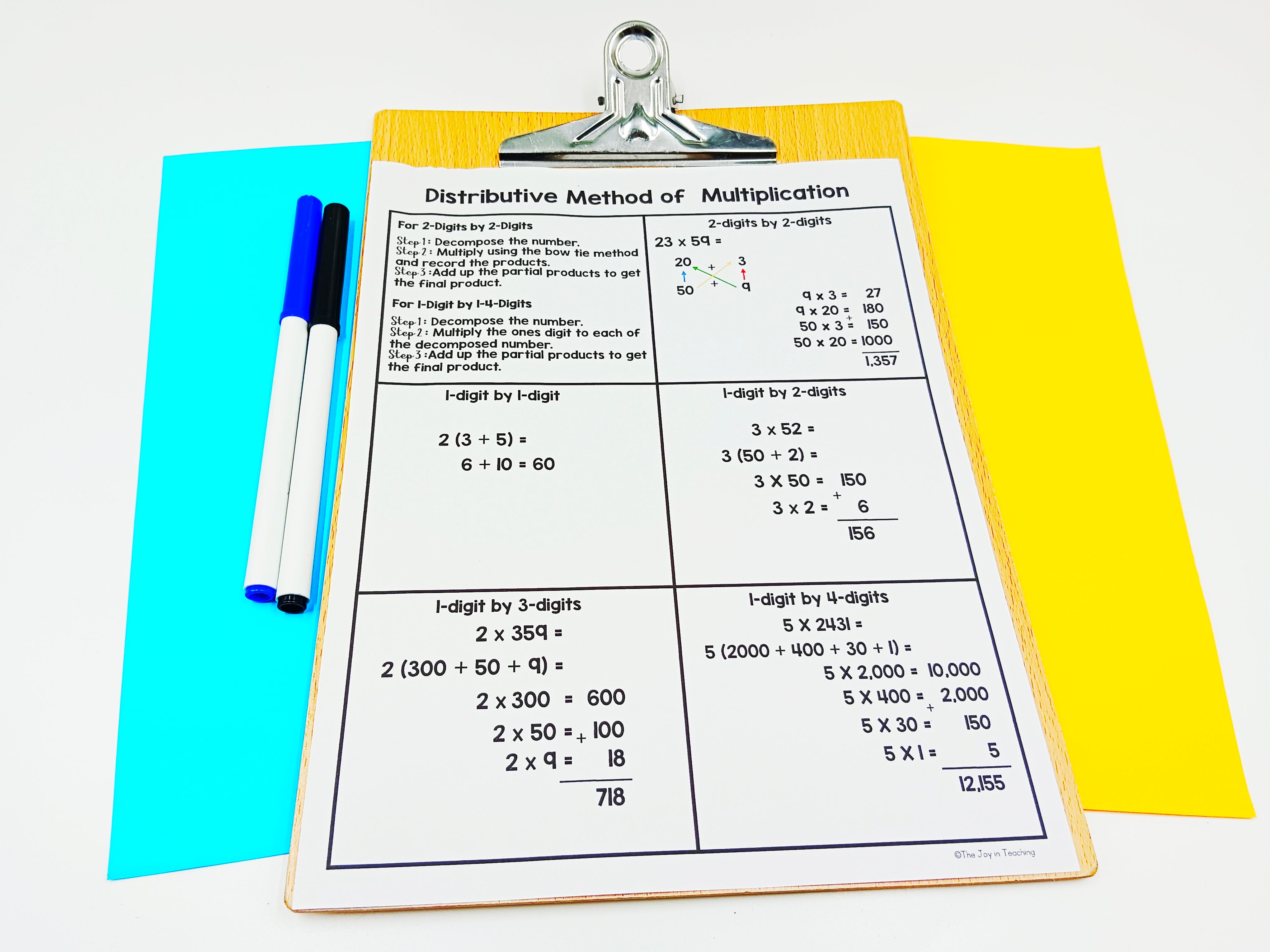
First things first—why should we even bother with the Distributive Property of Multiplication. Imagine trying to eat a gigantic pizza all at once. It’s messy, overwhelming, and basically impossible. But slice that pizza into smaller pieces, and suddenly—it’s easy and enjoyable! That’s exactly what this method does. Instead of tackling a big multiplication problem all at once, students break numbers into smaller, manageable parts. This helps:
- Build a strong understanding of place value
- Reduce math anxiety
- Make problem-solving more approachable
Even better? It teaches a lifelong skill: breaking big problems into smaller steps.
The Idea Behind It (Simple + Powerful!)
Let’s look at a quick example:23 × 5Instead of solving it all at once:
- Break 23 into 20 + 3
- Multiply each part:
- 20 × 5 = 100
- 3 × 5 = 15
- Add them together:
- 100 + 15 = 115
Easy, right? 🎉
Tips and Tricks for Teaching the Distributive Method
Here are some simple ways to make this concept stick:
1. Use Real-Life Examples
Make it relatable! Think:
- Sharing snacks 🍪
- Grouping toys 🧸
- Dividing items among friends

2. Always Break It Down
Start with expanded form:
- 34 × 6 → (30 × 6) + (4 × 6)
This helps students see the math clearly.
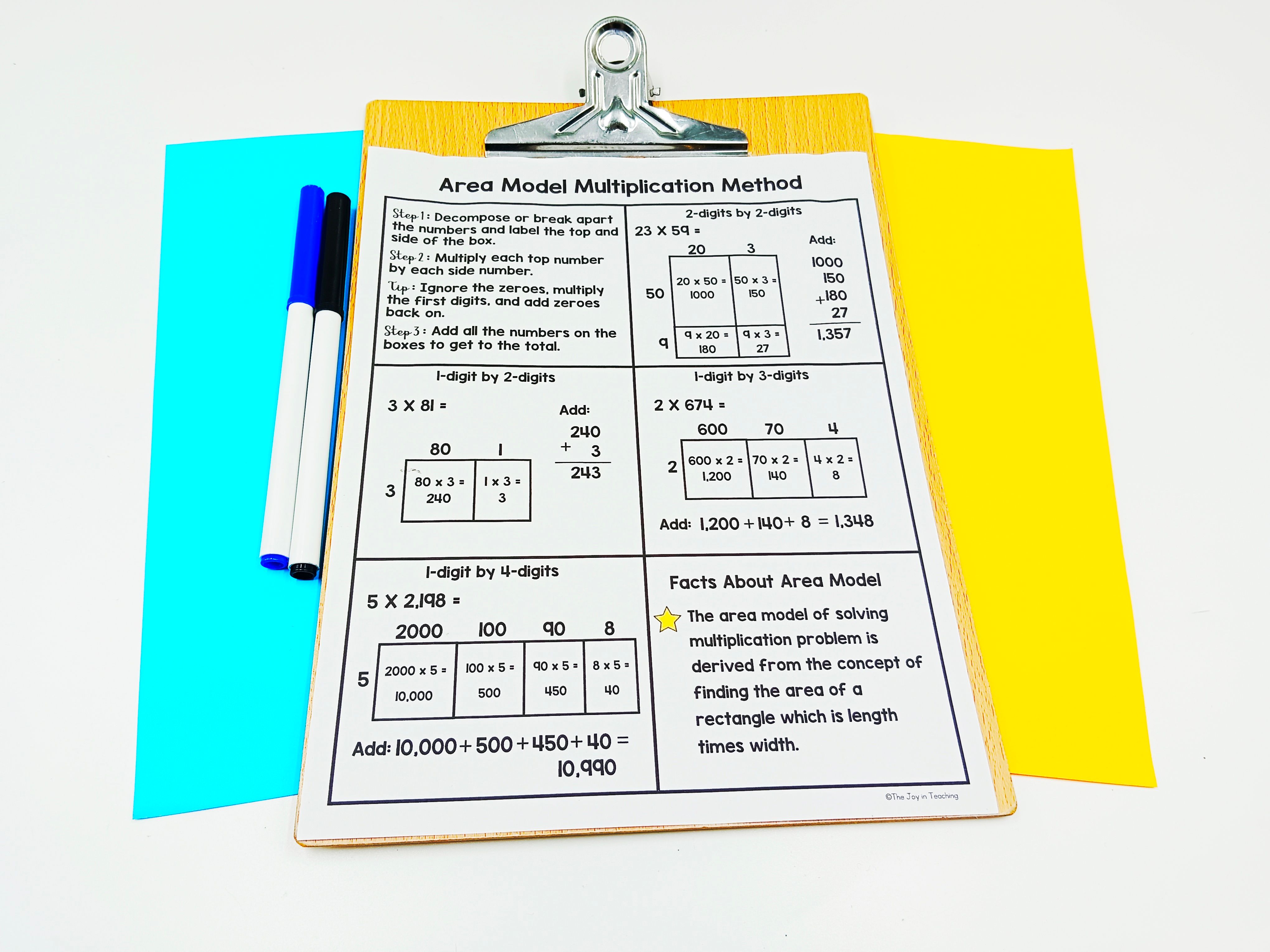
3. Use Visual Aids
- Area Model
- Color coding
- Charts and diagrams
Visuals = understanding 💡
4. Make It Interactive
Turn practice into play:
- Dice games 🎲
- Card matching
- Online math games

5. Encourage Teamwork
Pair or group activities:
- Builds confidence
- Makes learning more fun

Fun Activities to Reinforce Learning
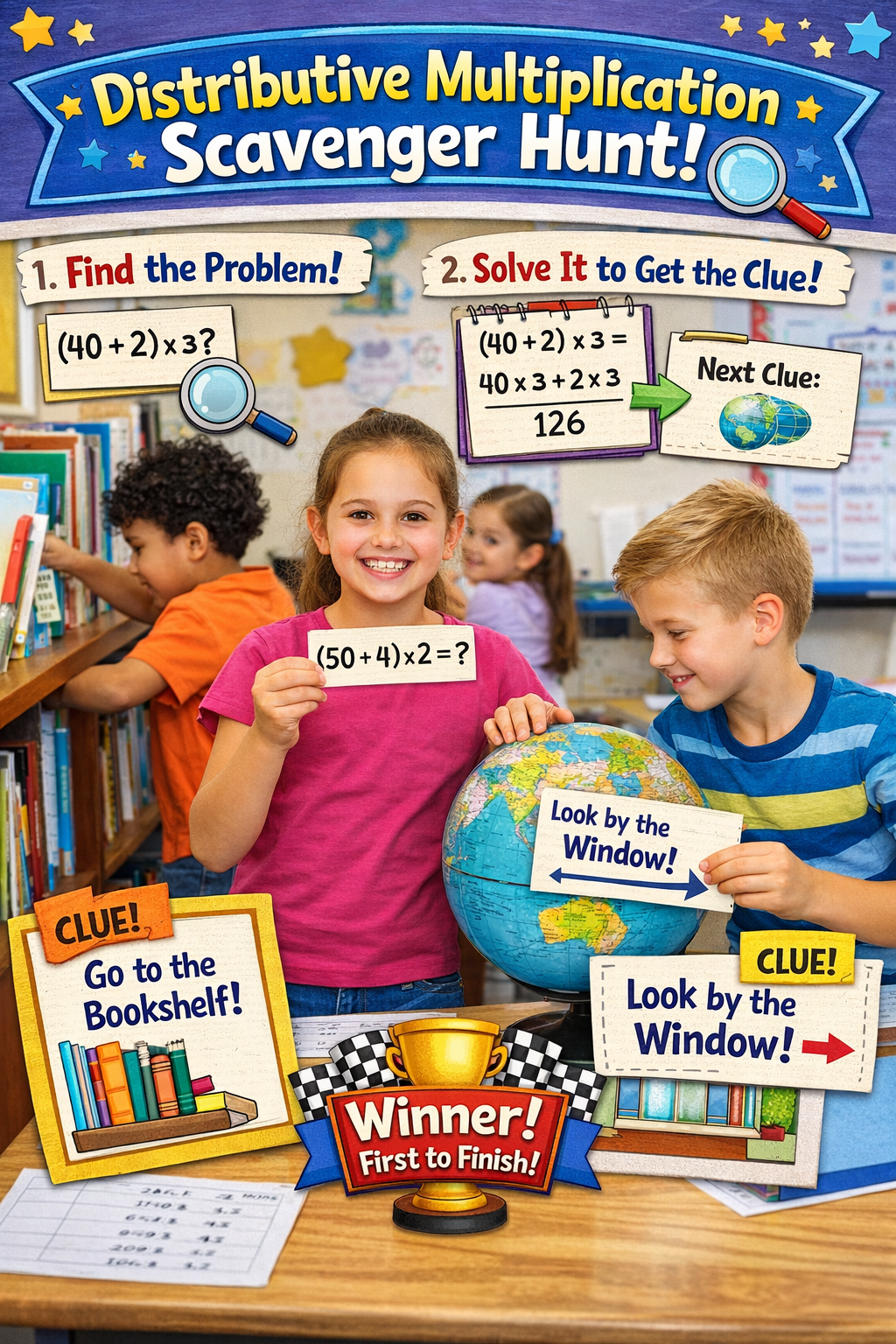
Multiplication Scavenger Hunt
Hide problems around the classroom by cutting them into squares and placing them in different spots. Have students find each problem and solve it; once they get the correct answer, they receive a clue to the next location. They continue until all problems are completed, and the winner is the fastest student to solve all the problems and clues.
Cooking with Math
Double or triple recipes using distributive thinking.
Craft Time
Create a multiplication mosaic using colored paper to represent parts of the problem like color by code or math puzzles.
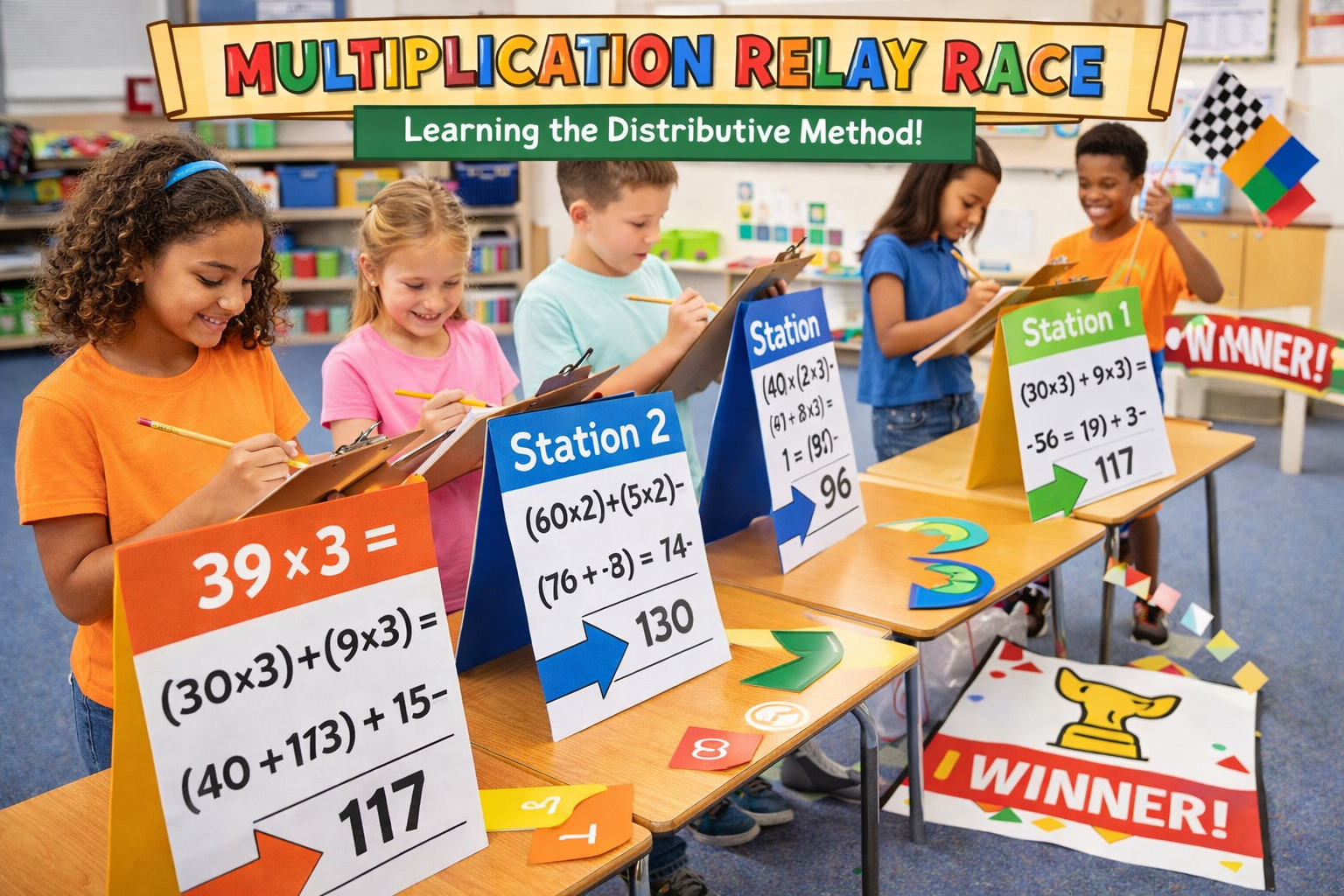
Multiplication Relay Race
Teams solve problems at stations—fast-paced and exciting!
Math Centers
- Basic practice
- Challenge problems
- Games and hands-on tasks
Interactive Notebooks
Students create foldables and mini-guides they can revisit anytime.
You can check out my free multiplication charts
Wrapping It Up
Whether you're teaching in the classroom or helping at home, the distributive method is a game-changer. It makes multiplication:
- Easier
- Clearer
- More enjoyable
And remember—this isn’t just math. It’s a life skill students will carry with them far beyond the classroom.
Happy multiplying, everyone! 🌟
Follow Me for More Teaching Tips with Joy For more tips, resources, and a daily dose of teaching joy, follow me on:
Got questions or want to share your success stories? Drop me an email at thejoyinteaching@gmail.com. I love hearing from fellow educators and parents! Happy Teaching!
Joy Medalla
The Joy in Teaching 💛