How to Jump from Reading Alphabets to Reading Words: A Guide for Teachers and Parents
Learning how to read is a journey filled with small, significant milestones. One of the most important transitions young learners make is jumping from recognizing alphabet letters and sounds to blending those sounds into words. For Kindergarten and First Grade students, this leap can be both exciting and challenging. In this extended and enriched blog post, we’ll explore how teachers and parents can help children move from letter recognition to reading phonics-based words with confidence. We’ll also share engaging literacy activities—including the Mystery Phonics Words Worksheet and CVC Sound Task Cards—to make the transition smoother and more enjoyable.
Why the Transition from Alphabets to Words Matters Before children can read, they must first understand that letters represent sounds. Once they master the sounds, they can begin to blend them together to form words. This is the essence of phonics—decoding written words by sounding them out. However, bridging the gap between knowing individual letter sounds and reading full words isn’t automatic. It requires consistent practice, engaging activities, and lots of encouragement. Building this strong foundation early on helps prevent future reading struggles.
Step-by-Step: Helping Kids Jump from Alphabet to Words
1. Master Alphabet Sounds The first foundational step is ensuring students know the sounds of the alphabet (phonemes) confidently. This includes both short and long vowel sounds and consonant sounds.
Tip: Use songs, flashcards, alphabet charts, and tracing worksheets like
Beginning Sounds Worksheets Bundle to reinforce letter sounds and shapes. Incorporate daily warm-ups that review sounds in a fun, active way.
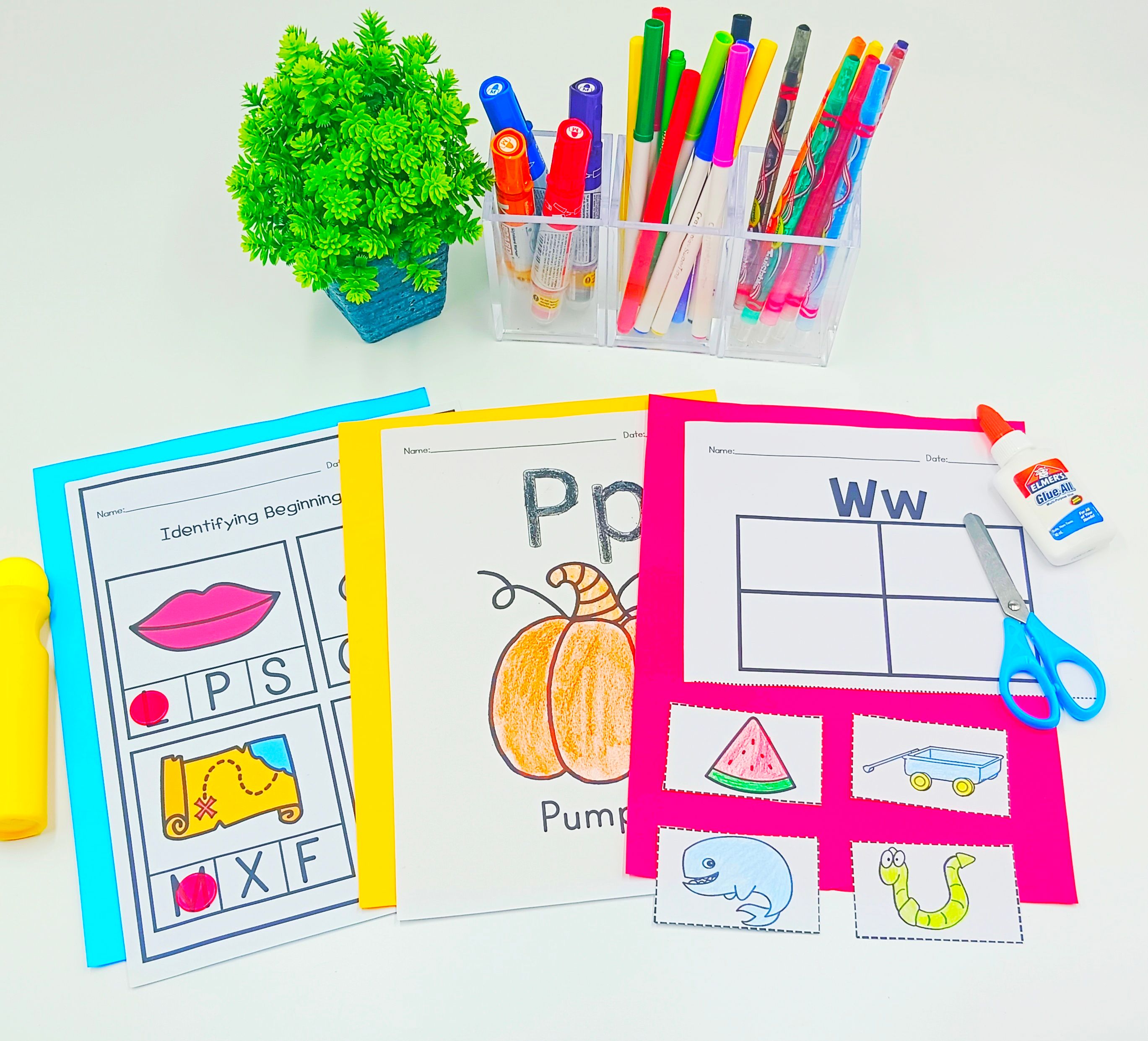
🔤 Activity Suggestion to bridge the gap from alphabet to Phonics: These are decoding worksheets with a twist—students use letter clues to figure out the word.
2. Introduce CVC Words Start with simple Consonant-Vowel-Consonant (CVC) words such as “cat,” “dog,” and “sun.” These words follow predictable sound patterns and allow students to apply their phonemic knowledge in a structured way.
Use this comprehensive list of CVC Word Families to begin:
- AB, AG, AM, AN, AP, AT
- ED, EG, EN, ET
- IG, IN, IP, IT
- OB, OD, OM, OP, OT, OX
- UB, UD, UG, UM, UN, UT
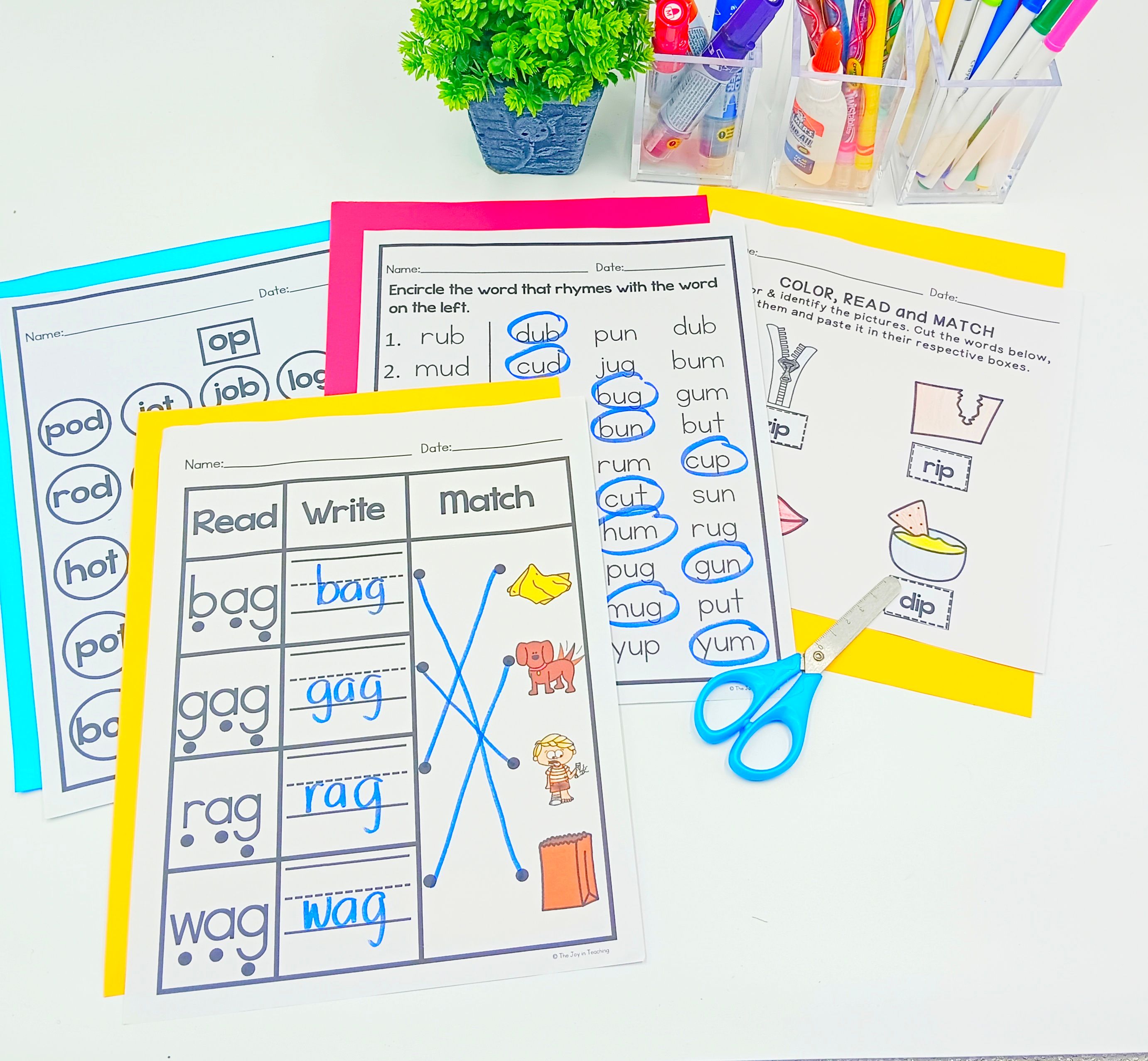
🎯 Activity Suggestion: Use your CVC Word Family Bundle Worksheets for practice. These worksheets can also be turned into small group games or sent home as review.
3. Blend Sounds Together Blending is a skill that must be explicitly taught. Practice combining sounds like /c/ + /a/ + /t/ = cat. Children must learn to glide from one sound to another.
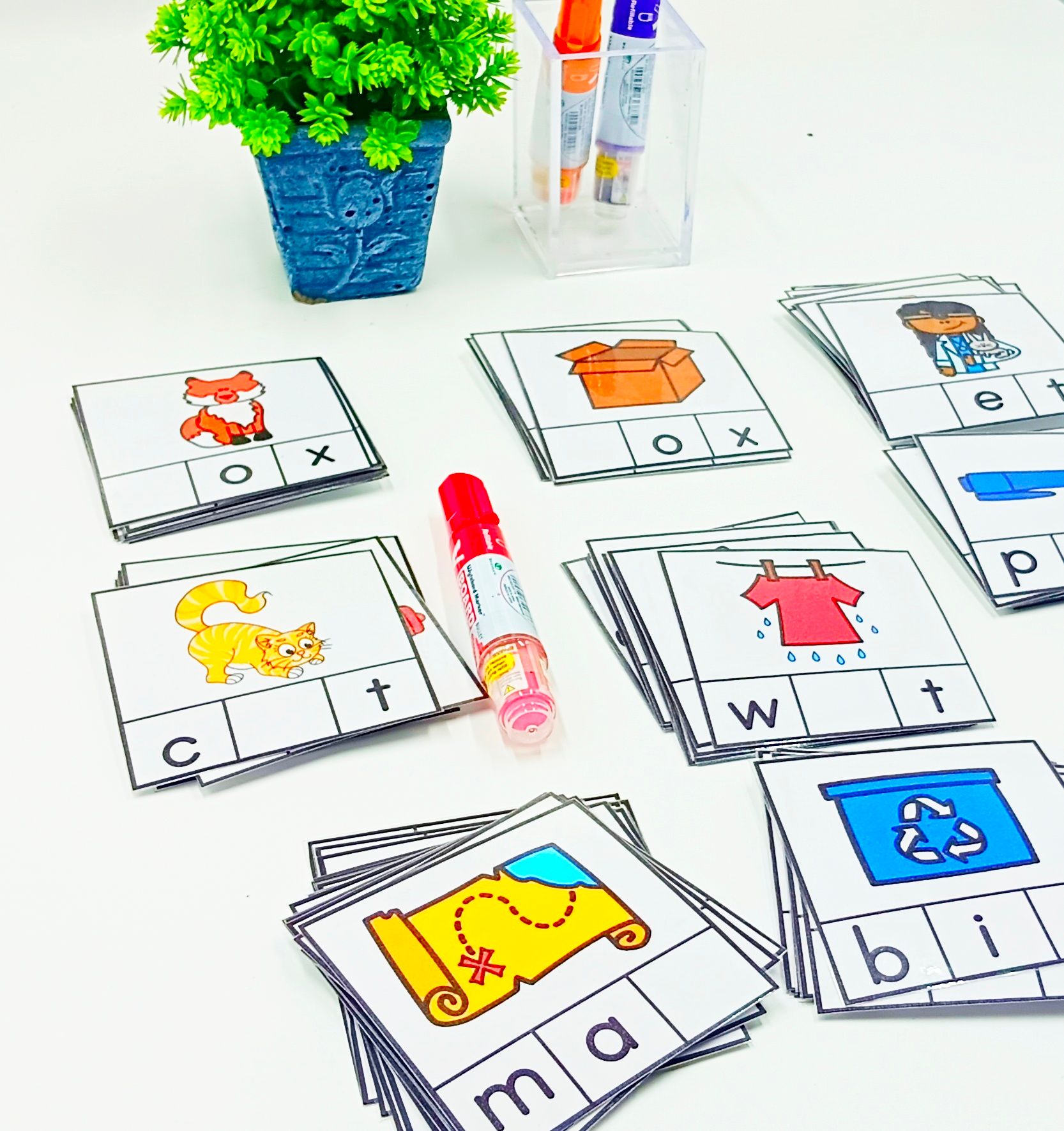
🧠 Use: Beginning Middle and End Sounds CVC Task Cards to isolate and then blend different sounds in a word. These are great for small group activities, centers, or morning literacy tubs.
🔠 Fun Game Idea: “Phonics Hop”—Place letter cards on the floor. Call out a CVC word, and have students hop from letter to letter to blend the word physically.
4. Introduce Word Families and Rhyming Words Understanding word patterns helps kids decode new words more easily. Word families offer a way to quickly increase fluency and vocabulary.
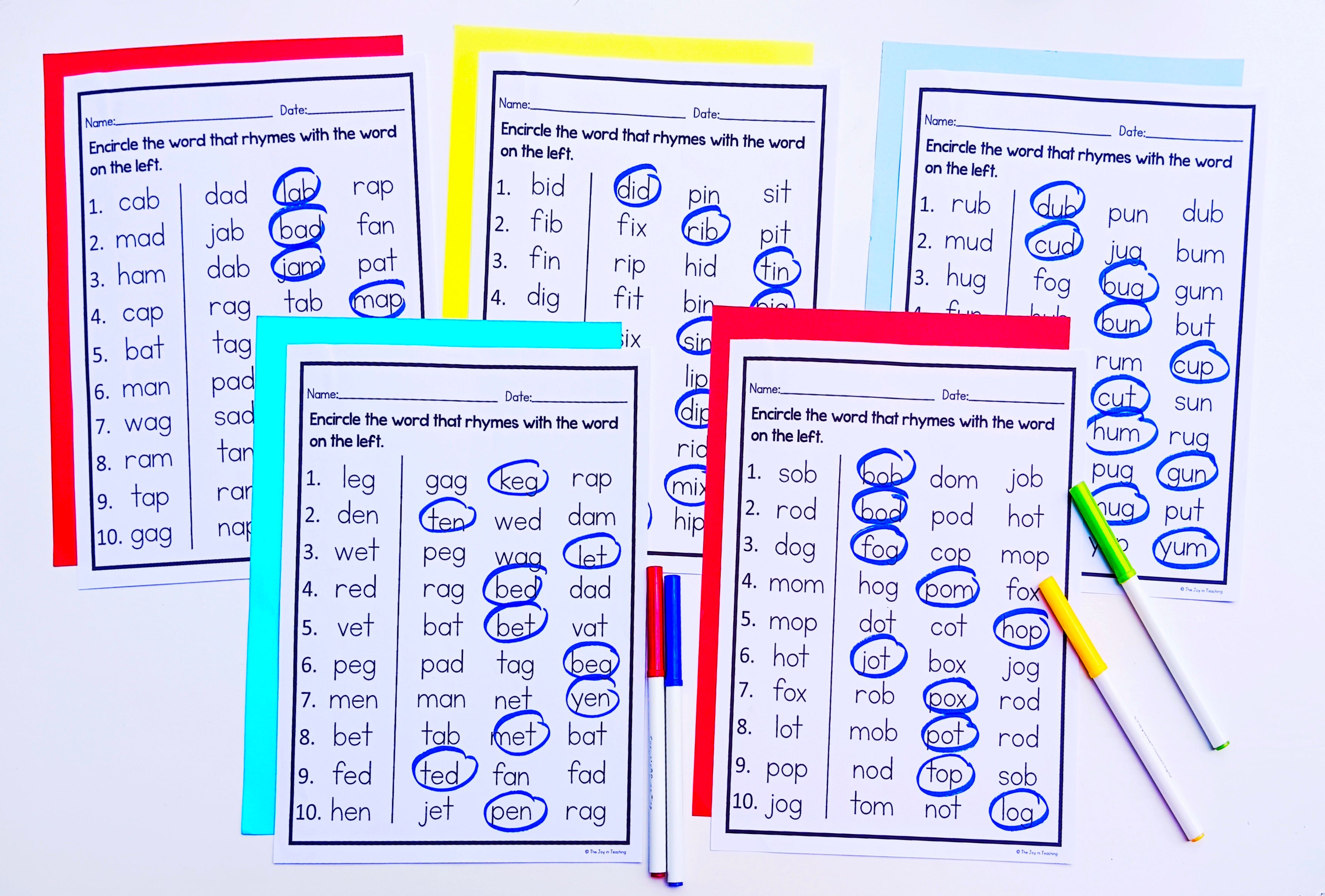
🖍️ Try: CVC Rhyming Words Worksheet by The Joy in Teaching and CVC Coloring Pages and Posters to reinforce word families in a hands-on and creative way. Coloring helps with fine motor skills while connecting phonics and play.
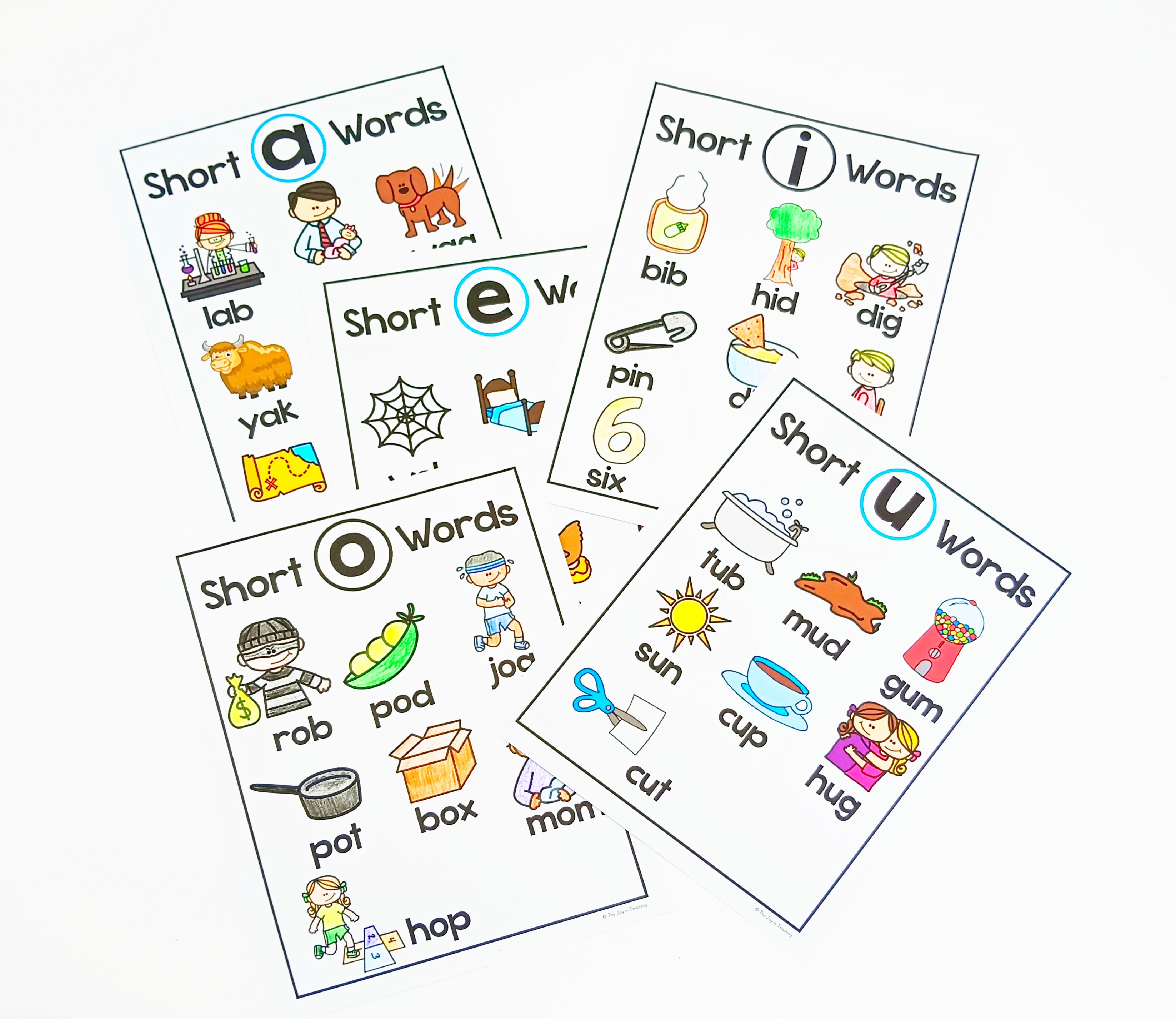
🎤 Extension Idea: Rhyming Songs—Sing silly songs using words from the same family (e.g., The -at Song: “A cat with a hat sat on a mat…”)
Literacy Activities to Make Learning to Read Fun
📖 “Build-a-Word” Literacy Station Materials: Letter tiles or magnetic letters, word cards. Activity: Students build a word based on a picture or prompt. Mix and match letters to make new words.

✂️ Rhyming Cut and Paste Worksheets - CVC Word Cut and Paste Use worksheets that ask students to cut out letters or word parts and sort them into the correct word families.
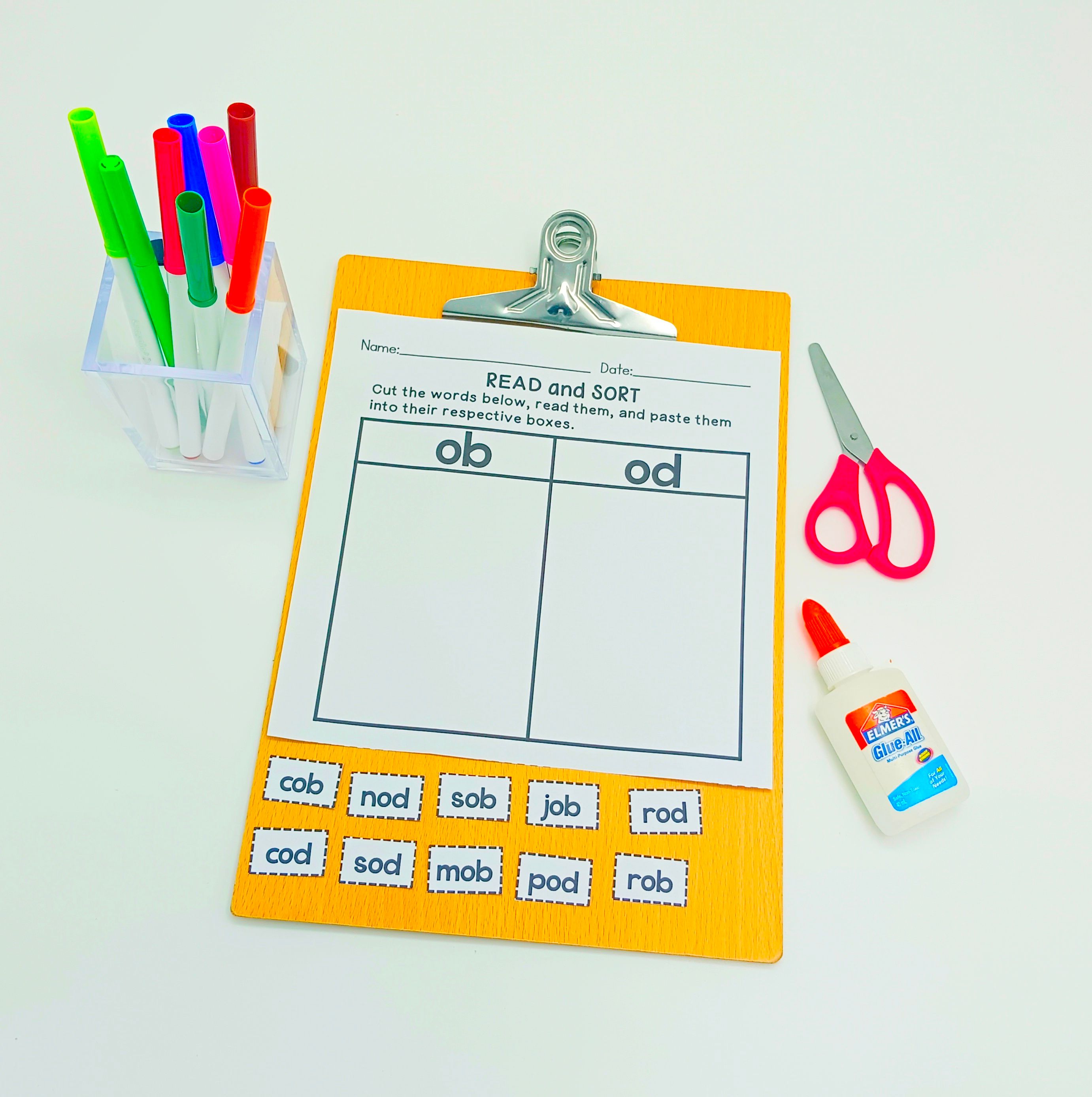
🎨 “Phonics Art Gallery” Let kids draw their favorite CVC word and label it. Display around the room to reinforce vocabulary.

🔍 Phonics Scavenger Hunt Place cards around the room and give students a list of sounds to find (e.g., find something that starts with /s/, ends with /t/, has a middle /a/).
CVC Flashcards with Pictures - CVC Word Picture Match
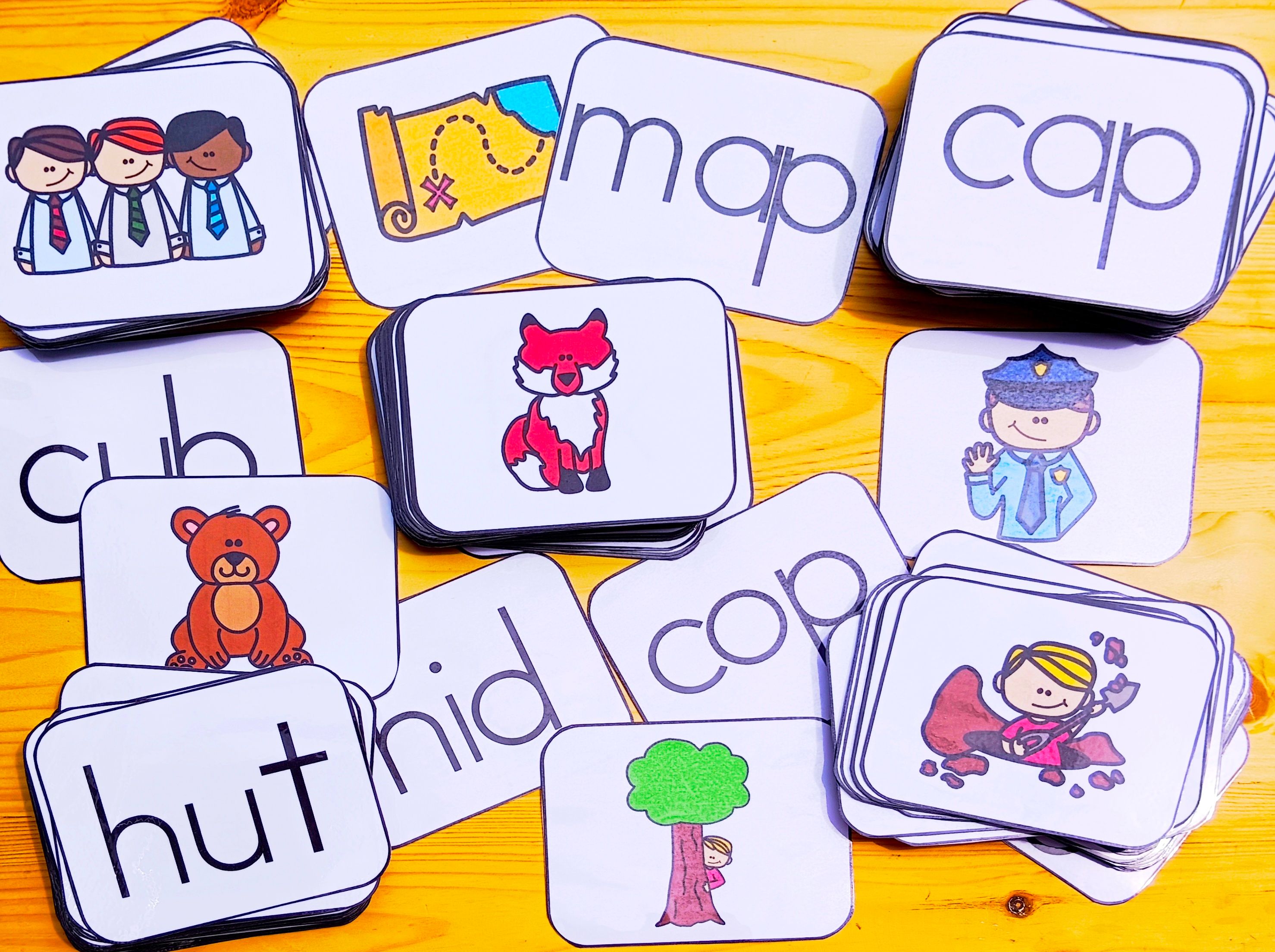
Make Reading Fun: Tips for a Smooth Transition
✅ Start Small – Focus on just a few CVC words at a time. Build confidence before adding more complex phonics rules.
✅ Use Visuals – Pictures help young readers connect sounds to real-world objects. Mystery worksheets use this technique effectively.
✅ Keep It Hands-On – Use clay, letter tiles, or cut-and-paste tasks to create multisensory learning moments.
✅ Encourage and Celebrate – Praise progress. Every small win builds momentum.
✅ Be Consistent – A little practice each day is more effective than cramming. Build phonics into your daily schedule.
Suggested Weekly Phonics Plan
Monday
• Review alphabet sounds
• Practice beginning sounds with task cards
Tuesday
• Blend CVC sounds to form words
• Complete a CVC Mystery Words Worksheet
Wednesday
• Work on middle vowel sounds
• CVC Middle Sounds Task Cards
Thursday
• Introduce word families like -at and -op
• Use CVC Rhyming Worksheets or color pages
Friday
• Apply phonics to short sentences
• Complete the CVC Mystery Sentence Worksheet 📚 Mix in decodable books aligned to the skill of the day. These books support phonics concepts and boost confidence.
Final Thoughts: Bridging the Gap with Confidence Learning to read is one of the most empowering skills a child will ever gain. Helping young learners move from alphabet sounds to reading words is not just about phonics—it’s about building confidence, persistence, and a lifelong love of reading.
With fun formats, no prep required, and targeted phonics practice, these tools are perfect for classroom use, literacy centers, or at-home support. Whether you're a teacher preparing your reading block or a parent supporting your child’s early reading journey, your efforts are making a huge difference. With the right tools and consistent encouragement, your young reader will soon take that magical leap from recognizing letters to reading full words with confidence.
✨ Explore these phonics resources today and make your reading lessons magical, effective, and fun!
Follow Me for More Teaching Tips with Joy For more tips, resources, and a daily dose of teaching joy, follow me on:
Got questions or want to share your success stories? Drop me an email at thejoyinteaching@gmail.com. I love hearing from fellow educators and parents! Happy Teaching!
Joy Medalla
The Joy in Teaching 💛CVC Beginning, Middle, and Final Sounds Task CardsCVC Beginning, Middle, and Final Sounds Task CardsCut-and-Paste Word SortsPhonics Scavenger Hunt