How to Teach Alphabet Sounds (Without Losing Your Mind or Your Markers)
Teaching alphabet sounds to little learners is kind of like herding kittens—adorable, chaotic, and sometimes messy. One moment they’re excitedly shouting “B is for Banana!” and the next, they’re coloring the letter B blue and calling it a blue-nana (creative, but not quite phonics). So how do we teach those essential alphabet sounds in a way that sticks, sparks joy (and maybe even some giggles), and lays the foundation for lifelong reading success? Grab your favorite beverage (coffee? juice box? we don’t judge), and let’s dive into the world of phonics—Pre-K style.
🧠 First, Why Are Alphabet Sounds So Important? Before we bust out the crayons and glue sticks, let’s talk about the why behind teaching alphabet sounds. While kids need to know what letters look like, it’s even more crucial they know what letters sound like. This is the foundation for reading, spelling, and eventually, writing their first hilarious journal entry about how their pet goldfish is secretly a superhero. In technical teacher terms: phonemic awareness—the ability to hear, identify, and manipulate individual sounds—is everything in early literacy. Alphabet sounds are the building blocks.

🧐 What Age Should We Teach Alphabet Sounds? Most kiddos are ready to start learning letter sounds around ages 3-5. That’s not to say they’ll master it instantly—this isn't a microwave meal, it's a slow-cooker kind of skill. What’s important is exposure and practice. And maybe a little glitter glue for good measure.
🎯 The Secret Sauce to Teaching Alphabet Sounds
Spoiler alert: it’s not a magic wand or a talking puppet (though those do help). It’s this: ✅ Repetition
✅ Play
✅ Visuals
✅ Multi-sensory activities
✅ A healthy dose of fun
The more senses kids use while learning, the better the sounds stick. That’s where hands-on phonics activities shine.
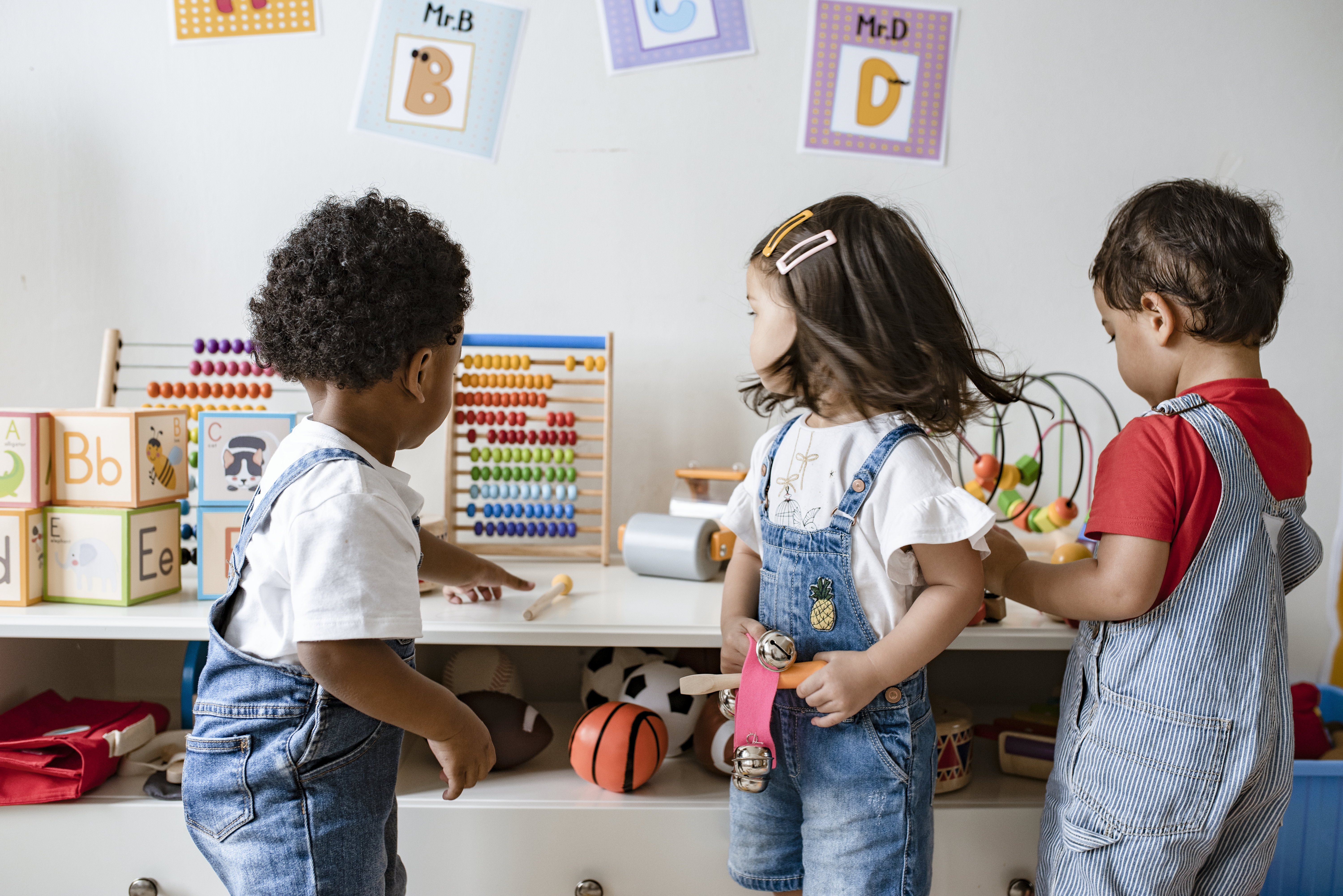
👩🏫 So… How Do You Actually Teach Alphabet Sounds? Let’s break it down into simple, actionable steps that make sense whether you’re a seasoned teacher or a parent winging it during snack time.
1. Start with the Most Common Sounds Not all letters are created equal. Sorry, X and Q. Begin with high-utility consonants like B, M, S, T, P, and vowels like A and E. These show up in a lot of simple CVC words and names. Kids love recognizing their name in print—instant engagement!
2. Introduce One Letter Sound at a Time Keep it slow and steady. Think of it like dating—get to know one letter really well before committing to the next.
- Say the sound.
- Show the letter.
- Model a word that begins with that sound.
- Repeat it together. (Yes, you might chant "B-b-b-banana" 14 times. It’s normal.)
Letter of the Week Activity
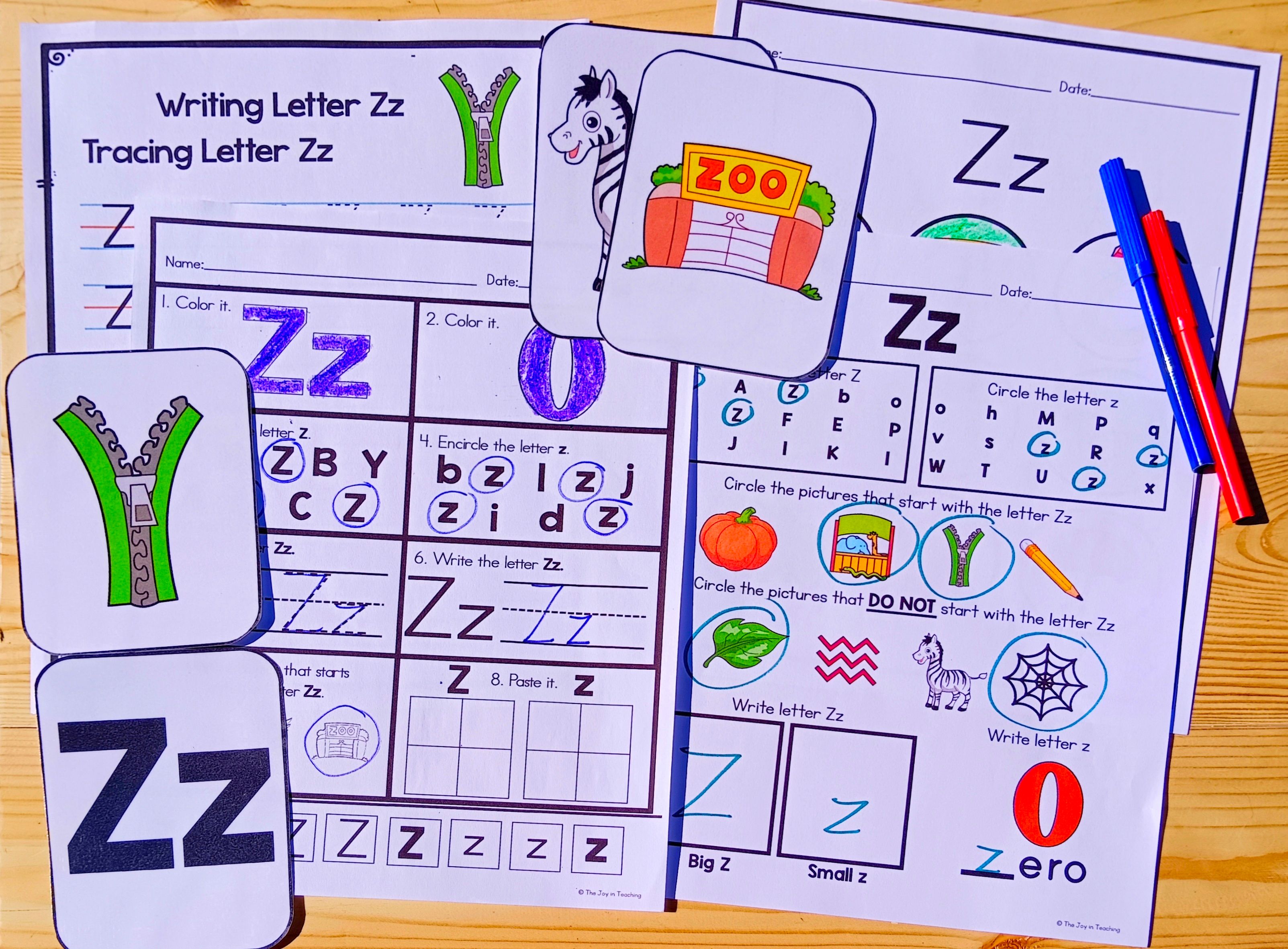
3. Use Visuals, Songs, and Movement Want to turn up the engagement? Incorporate:
- Alphabet songs with motions
- Letter sound dances (move like the animal the letter represents!)
- Flashcards with fun images
- Air tracing letters with superhero arms 💪
Kids learn best when their whole body is involved. (And let’s be honest, movement also helps shake the wiggles out.)

4. Practice With Real, Kid-Friendly Activities
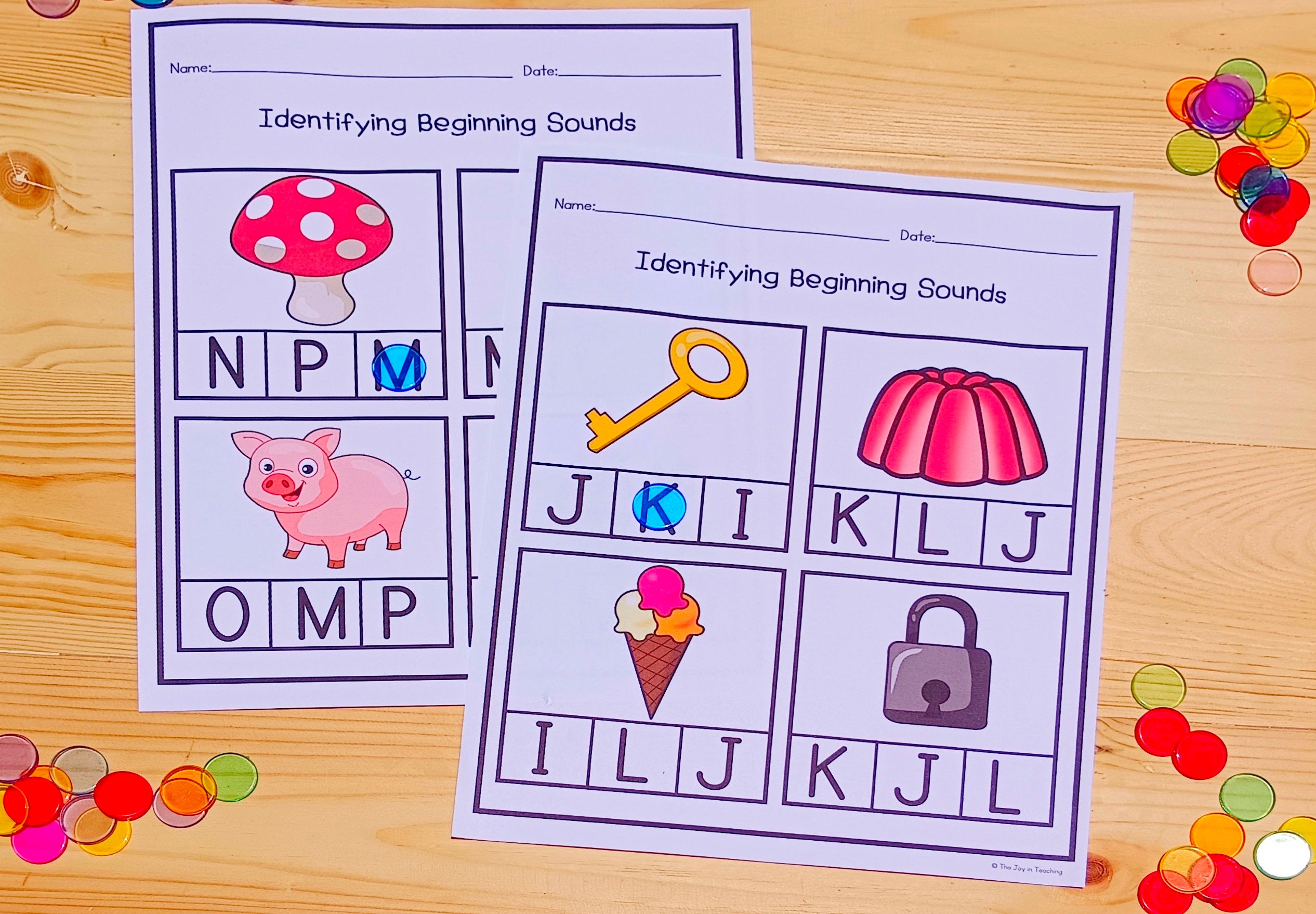
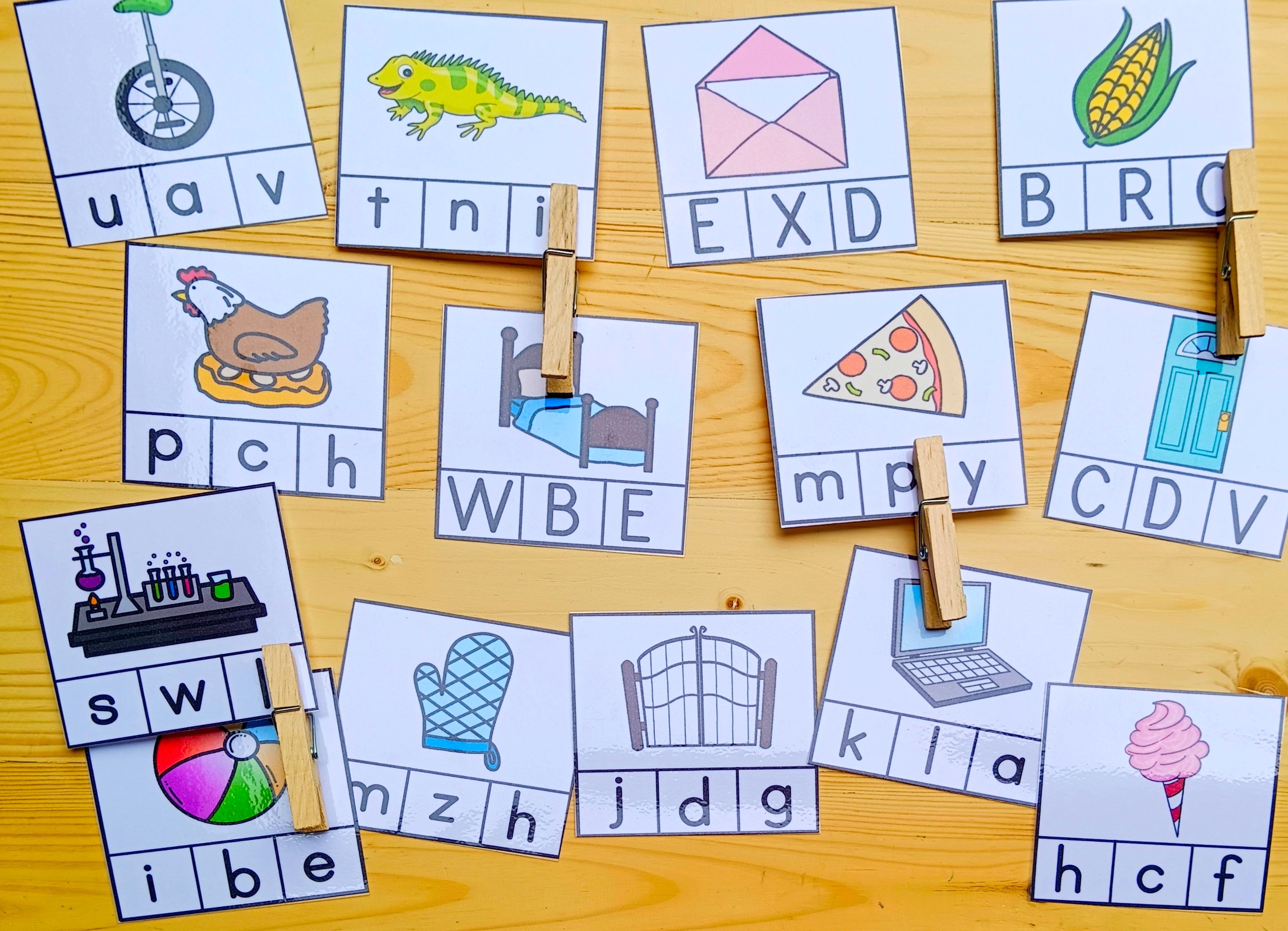
✏️ Beginning Sounds Task Cards or Worksheets:
Activity: Shade, highlight, or color the pictures that start with the given letter sound. 🎉 You can also use it as a task cards.
Why It Works:
Kids get to interact with the letters visually while reinforcing auditory recognition.
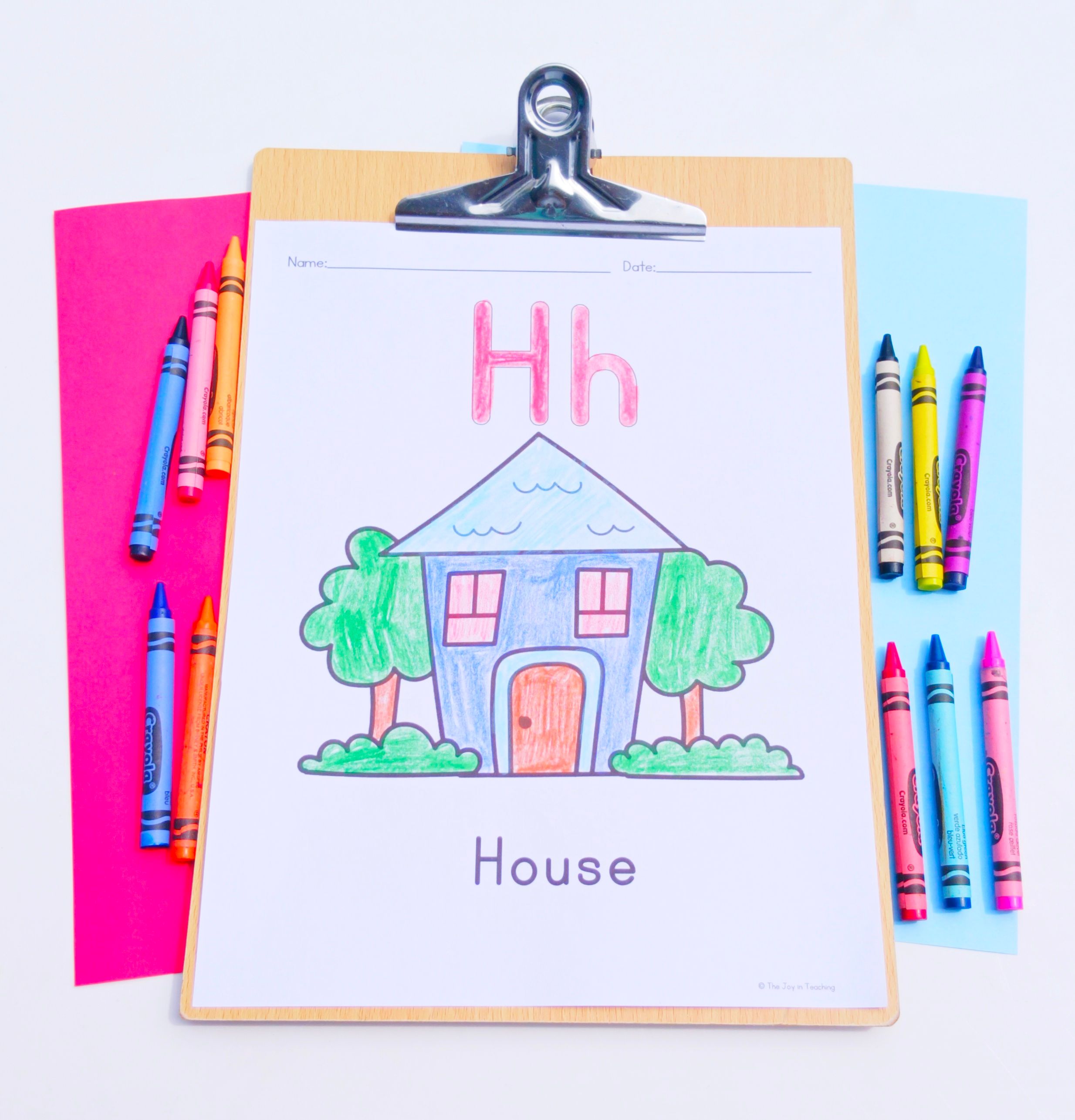
🎨 Beginning Sounds Coloring Pages (BIG):
Activity: Identify and color pictures based on beginning sounds.
🖍️ Why It Works:
Perfect for early finishers or creative kids who need an artistic outlet while still practicing phonics. It’s like sneaking veggies into mac and cheese—but for literacy.
✂️ Beginning Sound Cut and Paste:
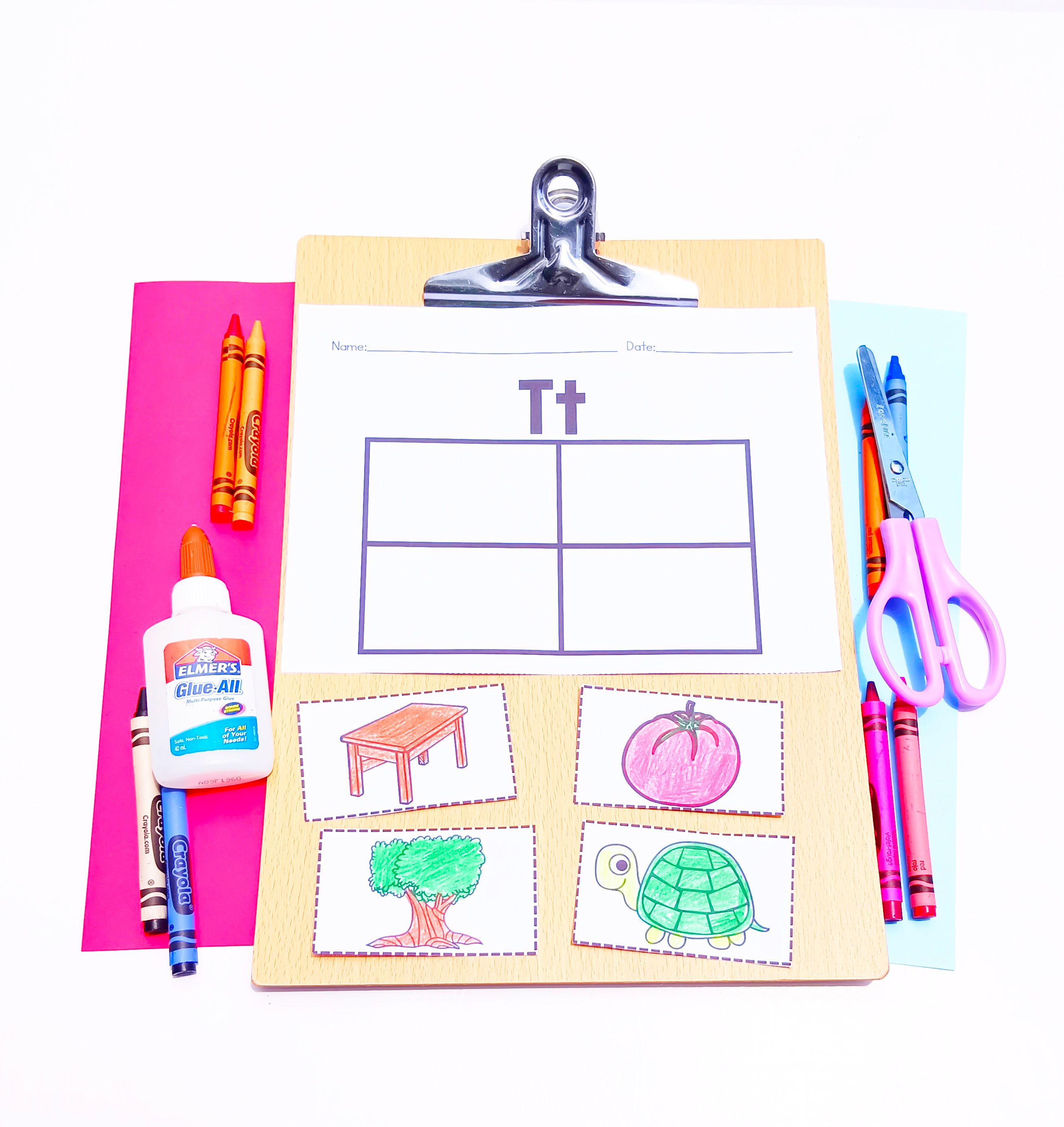
Activity: Identify, write, cut, and paste the picture that matches the beginning sound. 🧠 Why It Works:
Multi-sensory = multi-powerful. Kids are seeing, hearing, writing, cutting, and pasting. The more they use their hands and brains together, the stronger the learning connection.
🕵️ Bonus Tips for Success
🔄 Repeat, Repeat, Repeat You’ll get tired of saying “M is for Monkey,” but your students won’t. The repetition is so good for them.
🗣️ Emphasize the Sounds Say the sounds clearly and slowly. /B/ not "buh". (Pro tip: Over-enunciating helps make the sound stick.)
🙌 Celebrate Mistakes When kids say “A is for airplane” instead of “ant,” celebrate their effort. Gently correct, but keep the vibes positive. Phonics isn’t a test—it’s a journey.
🐶 Add Real-World Connections Point out beginning sounds in your environment:
- “Dog starts with /d/ just like Dylan!”
- “Look, the book begins with /b/!”
👩🍳 Mix & Match for Maximum Learning
🛒 A Soft Reminder (Because We’re Not Pushy)
If you’re looking for an easy, all-in-one way to teach beginning sounds with confidence (and a little flair), the Beginning Sounds Worksheets Bundle is your go-to.
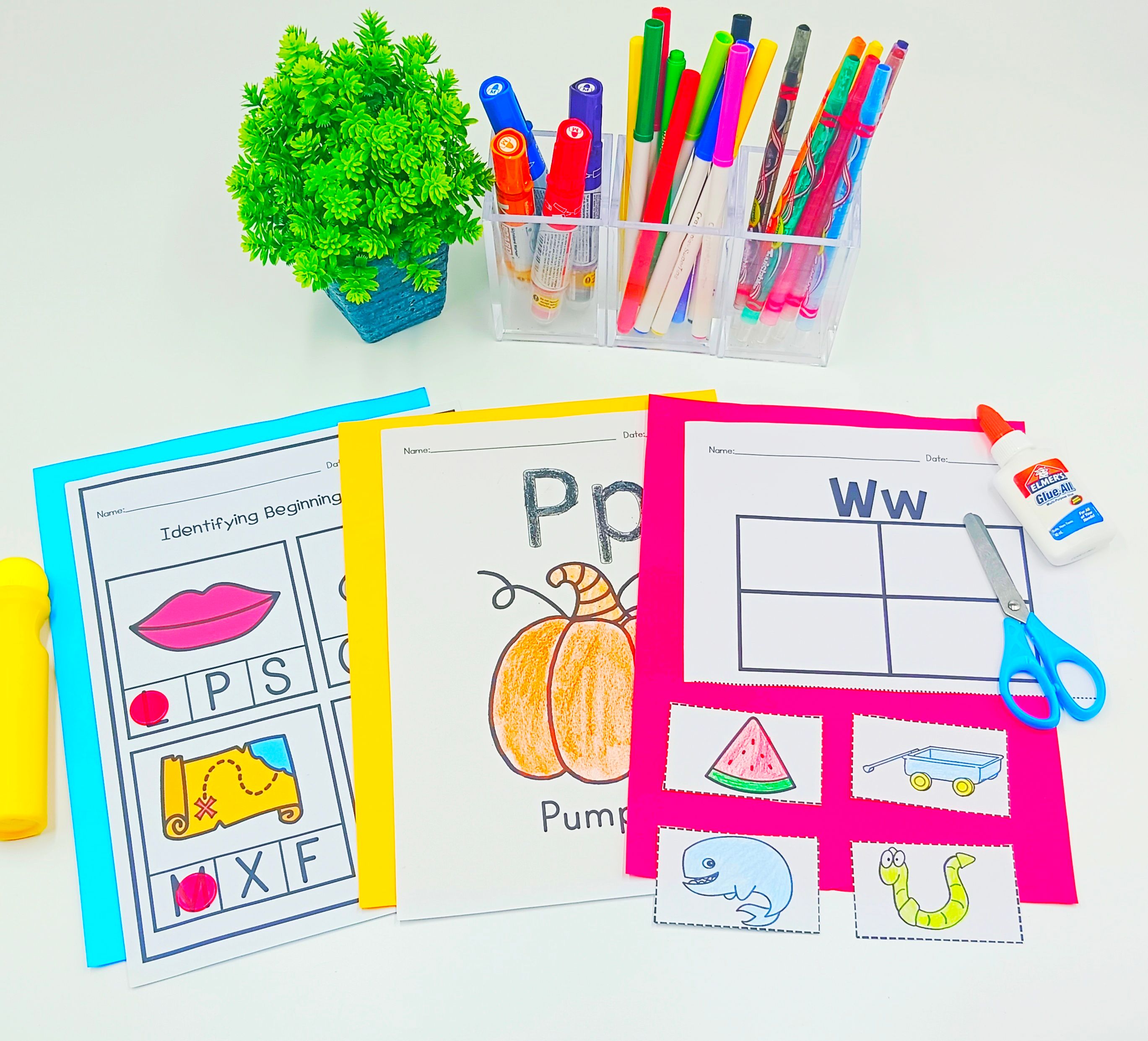
❤️ Why You’ll Love This Bundle:
Let’s be real. As a teacher (or parent), you need resources that work, don’t break the bank, and don’t take an hour to prep. This one checks all the boxes:
❤️ Time-Saving Resource: Packed with ready-to-go activities
❤️ Affordable Value: High-quality learning without the high price
❤️ Engaging & Effective: Builds phonics skills with hands-on practice
❤️ Versatile Use: Great for classrooms, homework, or literacy centers It’s like the superhero utility belt of beginning sounds.
💬 Real Teacher Talk Don’t just take our word for it.
Here’s what actual educators are saying:
⭐⭐⭐⭐⭐ “Great resource! Thank you!” – Kelly B.
⭐⭐⭐⭐⭐ “Used this with my daughter to build foundational skills!” – Kimberly B. When you’ve got busy teachers and homeschooling parents loving a resource, you know it’s doing something right.
🎉 Wrap-Up: You’ve Got This Teaching alphabet sounds doesn’t have to be overwhelming. With the right mix of fun, structure, and quality resources, you can set your little learners up for reading success—and maybe even save your sanity in the process. Whether you’re a teacher, homeschool parent, or brave grandparent stepping in with stickers and hope, know this: You are building the foundation for a lifetime of reading.
One silly sound, one letter, one joyful giggle at a time. So go ahead, make those sounds, color those pictures, and cut and paste your way to phonics greatness.
Alphabet sounds? ✔️
Happy learners? ✔️
Satisfied grown-ups? Triple ✔️ And if you ever need backup, you know where to find a bundle that brings it all together.
Now go forth and teach the “Buh-buh-best” way you can.
Follow Me for More Teaching Tips with Joy For more tips, resources, and a daily dose of teaching joy, follow me on:
Got questions or want to share your success stories? Drop me an email at thejoyinteaching@gmail.com. I love hearing from fellow educators and parents! Happy Teaching!
Joy Medalla
The Joy in Teaching 💛