How to Teach New Year's Resolutions to Kids (Without Losing Your Sanity)
Let’s face it: teaching kids about New Year’s resolutions can either be a delightful journey of self-discovery—or feel like herding glitter-covered cats. But with a little creativity, a dash of fun, and a whole lot of heart, you can turn this classic January activity into something your students will remember (and maybe even stick to beyond the second week of January!). In this blog, we’re going to dive into how to teach New Year’s resolutions to kids in a way that actually works, doesn’t make your eye twitch, and might even earn you a few high-fives from fellow teachers. Spoiler alert: it involves more than just telling kids to "be nicer to their siblings."
Why Teach New Year’s Resolutions to Kids? Kids might not have bills to pay or adult responsibilities (lucky them), but they do have dreams, habits to work on, and goals they can set for themselves. Teaching New Year’s resolutions helps them learn:
- How to reflect on the past year (hello, social-emotional learning!)
- How to set achievable goals
- The power of intention and growth
- That change is a process (not a magic wand)
Plus, it builds foundational skills like writing, reading comprehension, and critical thinking. Who knew goal-setting could be so academic?
Start with a Conversation Before diving into worksheets or activities, start with a good old-fashioned heart-to-heart (or circle time). Ask open-ended questions like:
- What was your favorite memory from last year?
- What did you learn that surprised you?
- Is there something you'd like to try or get better at this year?
Keep it light, sprinkle in some humor ("Like maybe NOT putting jelly beans up your nose this year?"), and let the ideas flow.
Introduce the Concept of Resolutions Many students, especially the little ones, might not know what a resolution is—they might think it's some sort of video game setting. Break it down simply: "A resolution is a promise you make to yourself to do something better or new this year." Use examples they can relate to:
- "This year, I will eat more vegetables (even the green ones)."
- "I will try to raise my hand more instead of blurting out answers like a popcorn machine."
- "I will keep my desk clean. Well, at least cleaner."
The Power of Reflection: “My Year in Review” Before they can look ahead, help students look back. Cue the "My Year in Review" worksheet—a great tool for prompting students to reflect. They can jot down:
- What they loved about the year
- Something new they learned
- A proud moment
- A funny classroom memory (these are always gold)
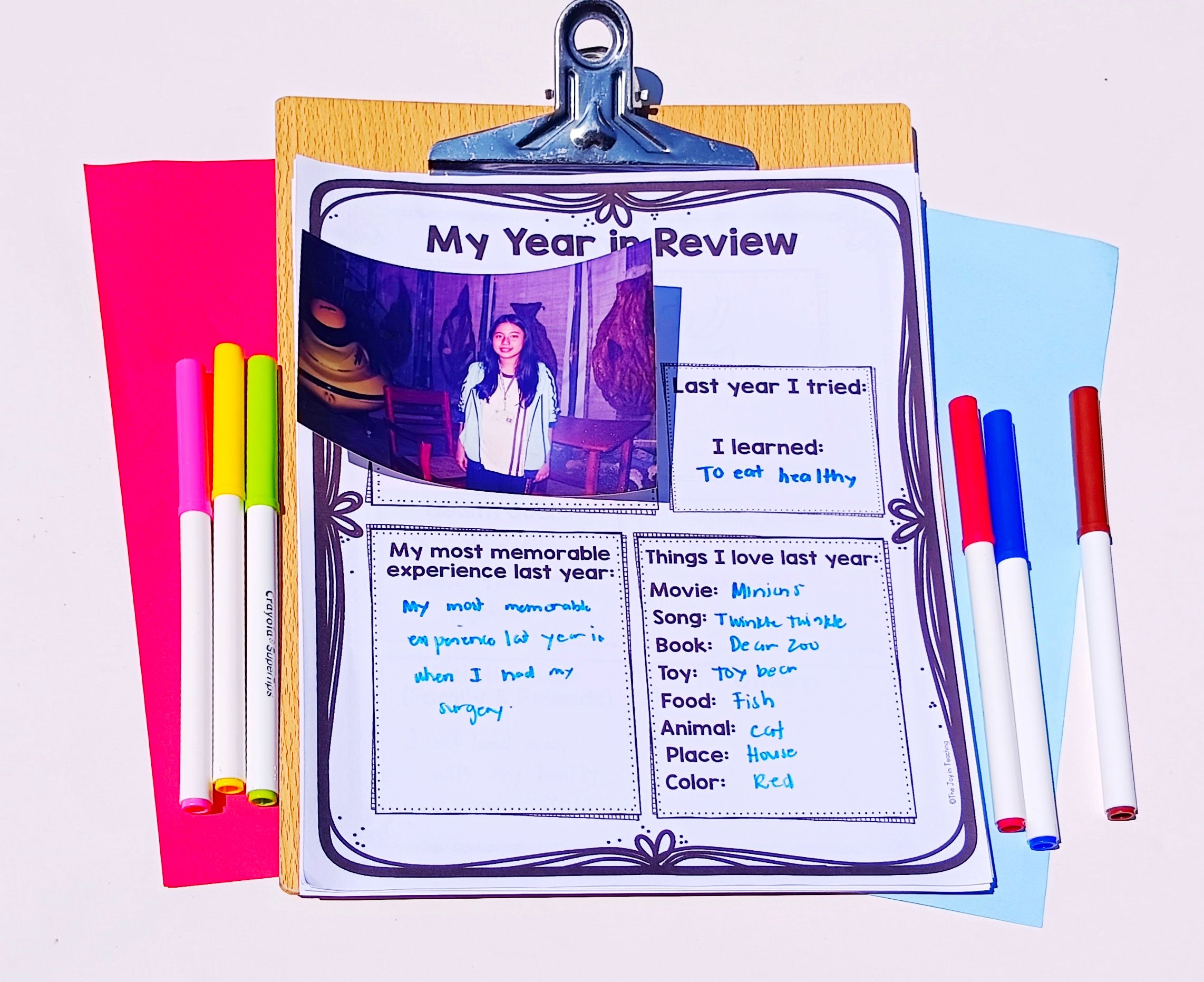
Reflection encourages self-awareness and helps them recognize growth, even if it's just "I learned how to spell 'because' without crying."
Setting Goals (Without the Pressure) Next, it's goal-setting time! The "Goals" pages in the New Year Activity Pack guide students through making short, sweet, and achievable goals. Focus on:
- Academic goals ("I want to read more books.")
- Personal goals ("I want to be a better friend.")
- Fun goals ("I want to learn how to skateboard without falling off. Every. Single. Time.")
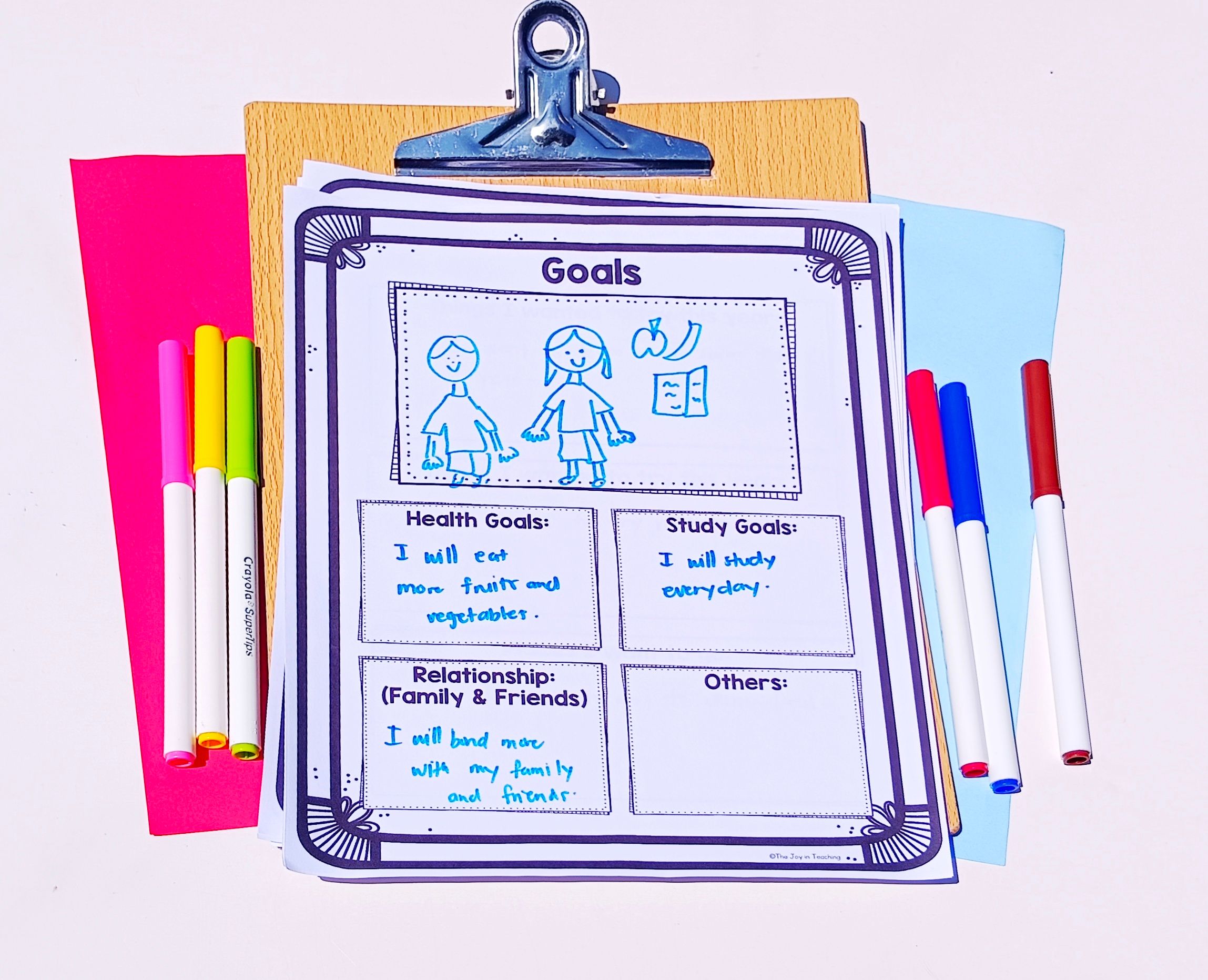
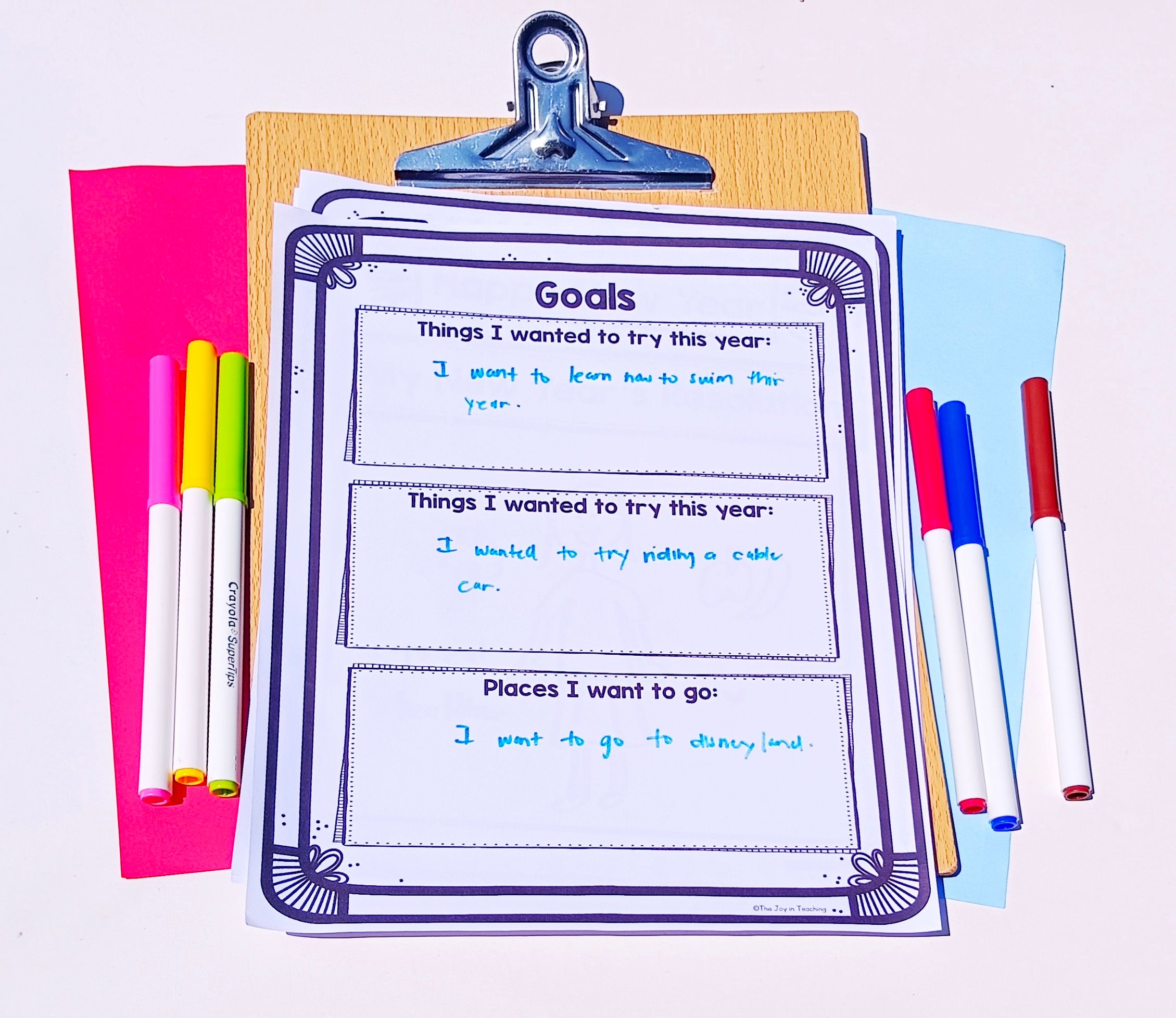
Encourage students to think about what they want to achieve, not what others expect of them. This gives them ownership and motivation.
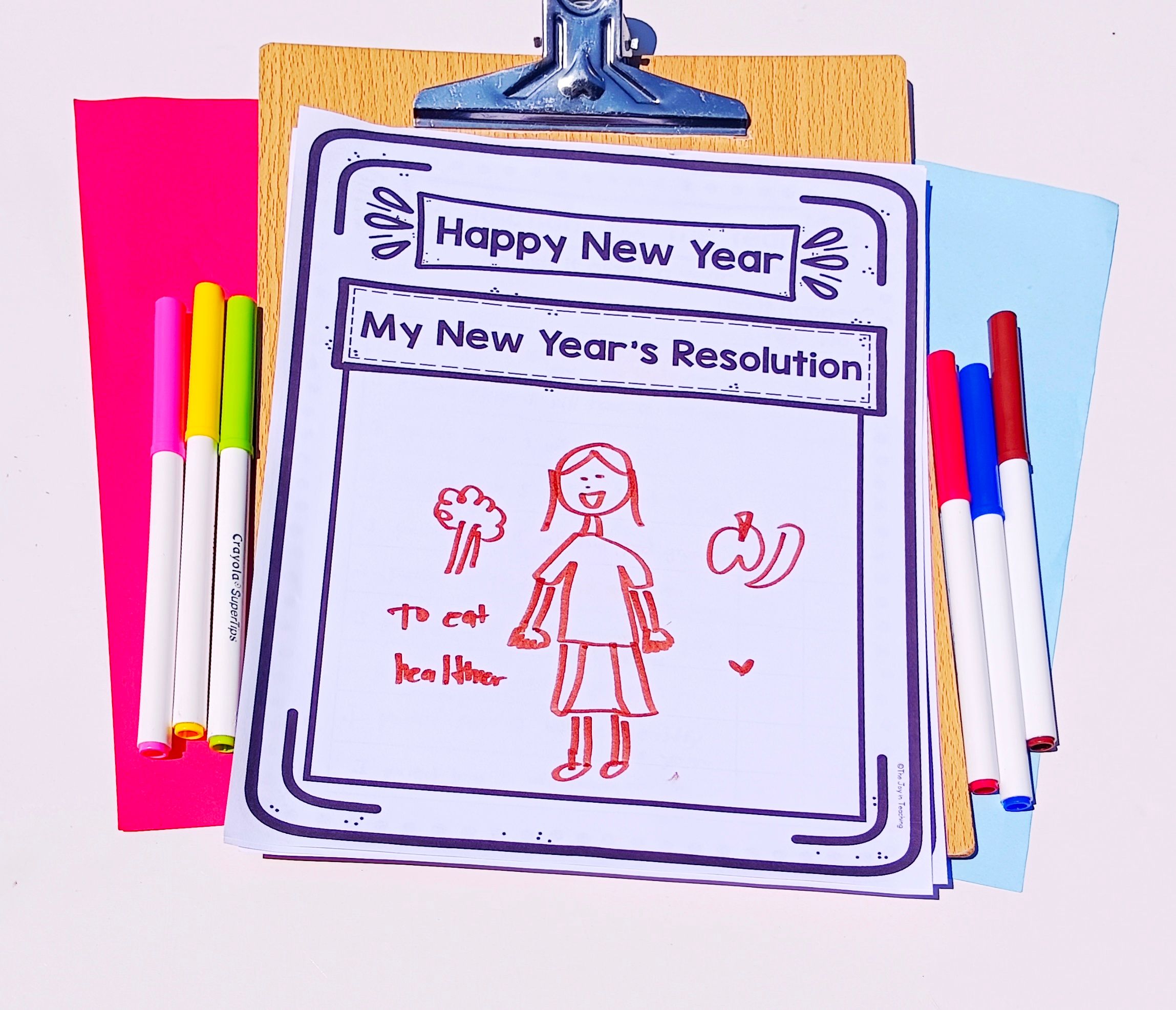
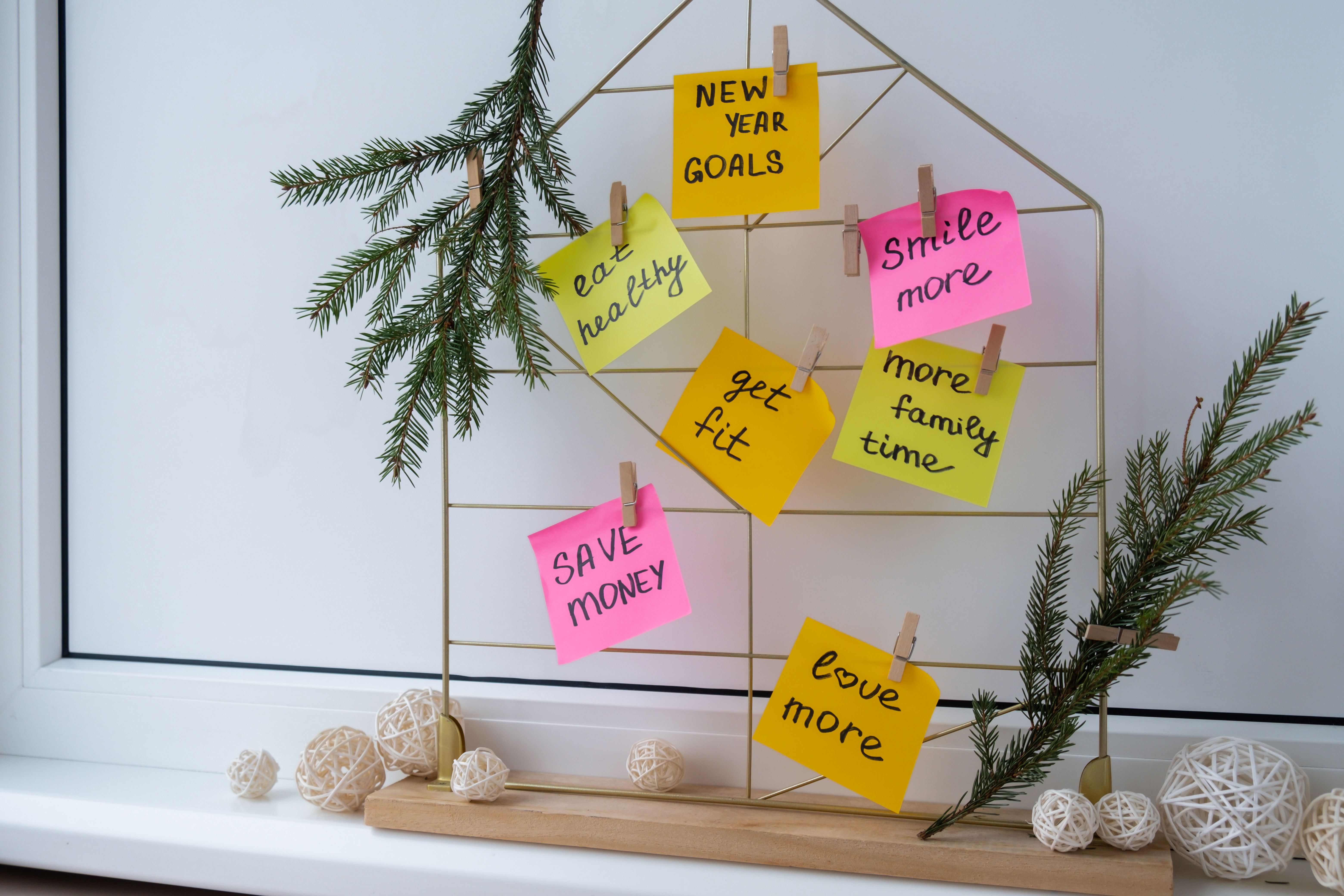
Here comes the main event: the resolution-writing! Using the "New Year’s Resolution" worksheet, guide students in writing their official resolution. Make it fun with a fancy border or a spot for a signature. You can even create a "Resolution Wall" where students proudly display their promises to themselves. Remember: resolutions don’t have to be serious. If one student wants to eat more tacos this year, who are we to judge? Taco goals are valid goals.
Add a Little Crystal Ball Fun: Predictions for the New Year Predictions are a playful way to spark imagination and encourage creative thinking. Ask your students:
- What do you think school will be like this year?
- Will flying skateboards finally be a thing?
- Who will win the Super Bowl? (Spoiler: still not us teachers.)
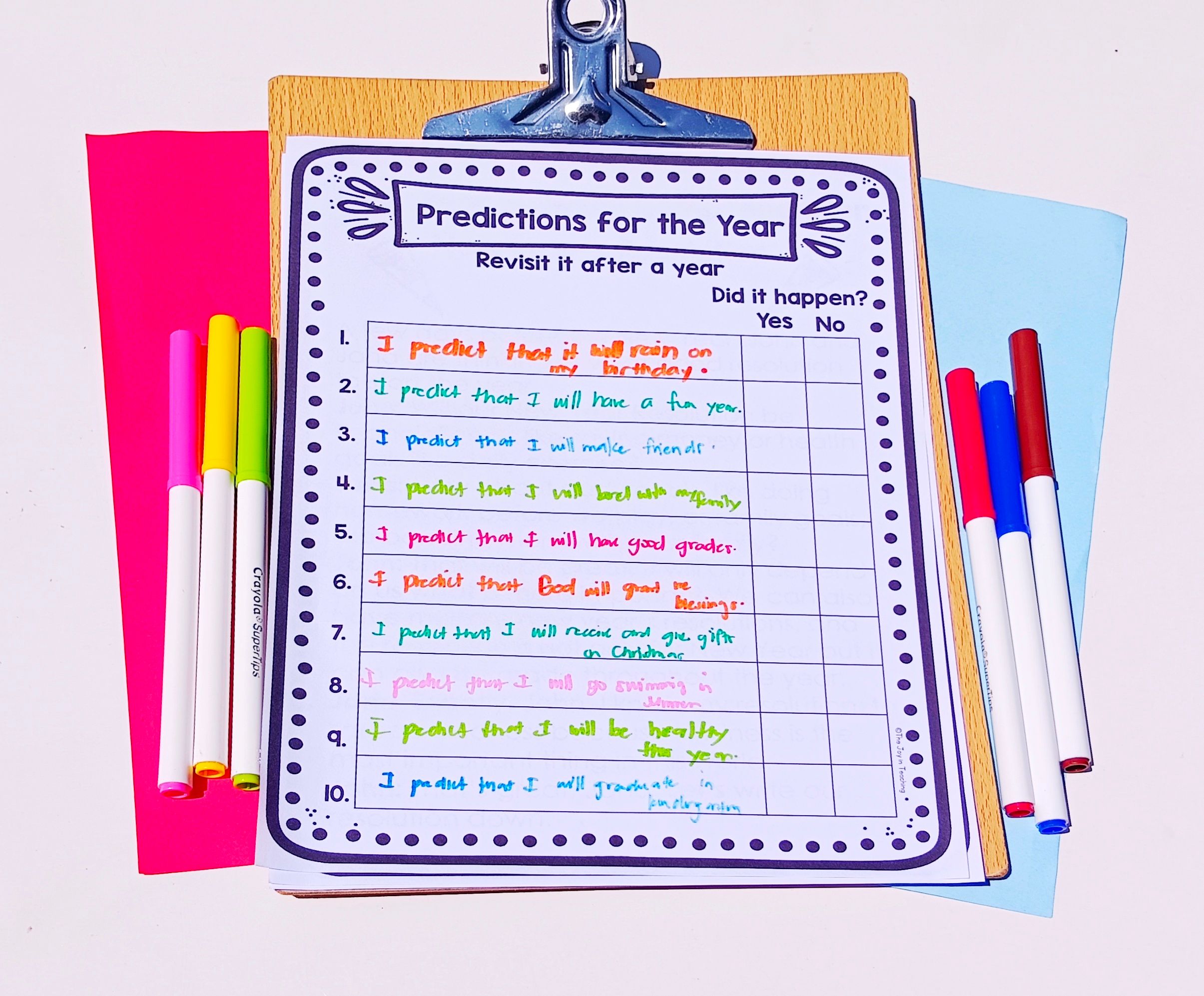
Let them complete the "Predictions for the Year" page with their best (and wildest) guesses. This activity is not only fun but also builds writing and inference skills.
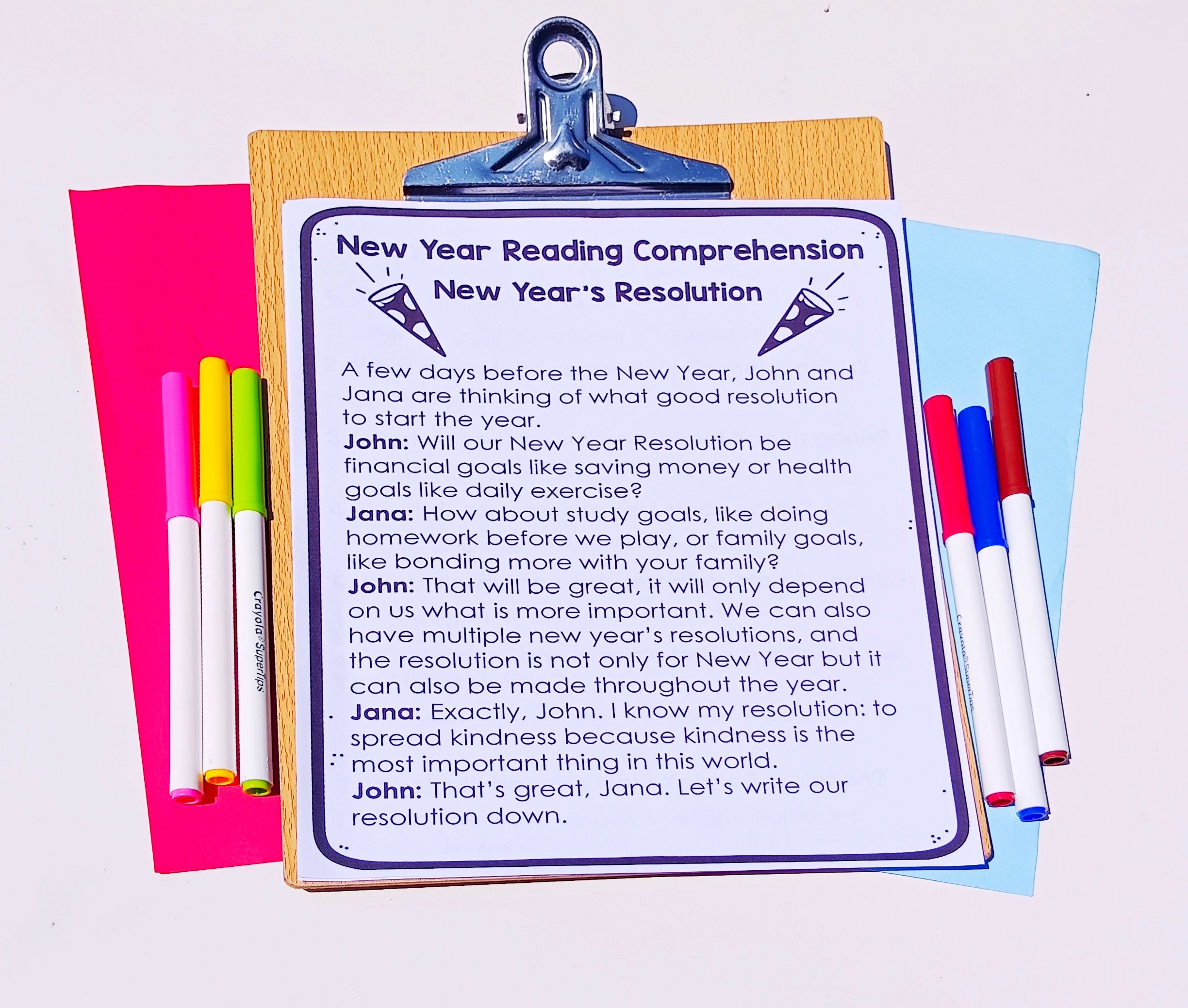
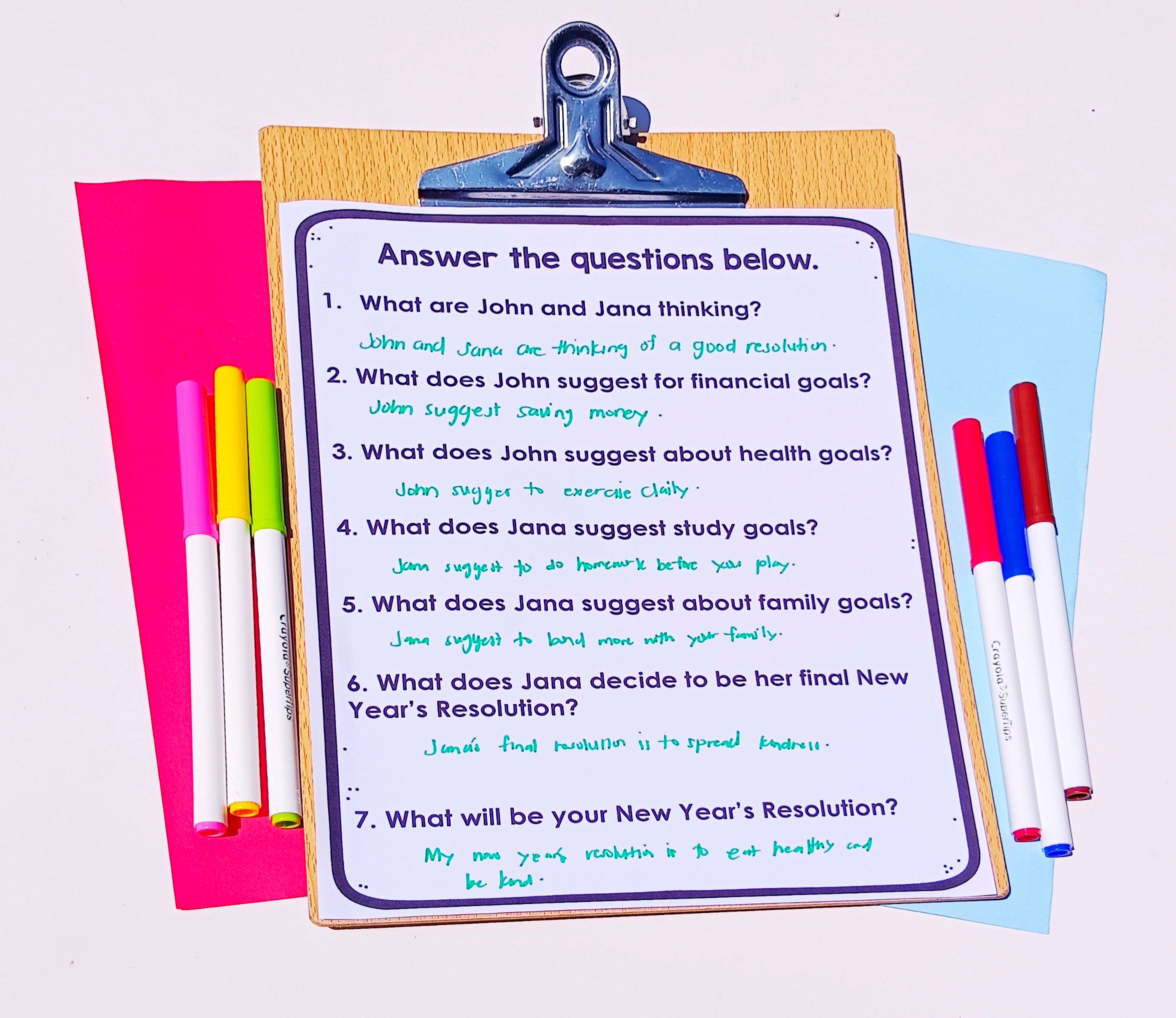
Reinforce Reading Skills: New Year Reading Passage + Comprehension Yes, you can celebrate the New Year and sneak in some reading practice! The "New Year Reading Passage" and its companion comprehension questions offer a quick and engaging literacy moment. It ties everything together and gives students a chance to learn more about the holiday and why we even bother with all these resolutions anyway. (Also, if they can decode words like "tradition" and "celebration" while still shaking glitter out of their sleeves, that’s a win.)
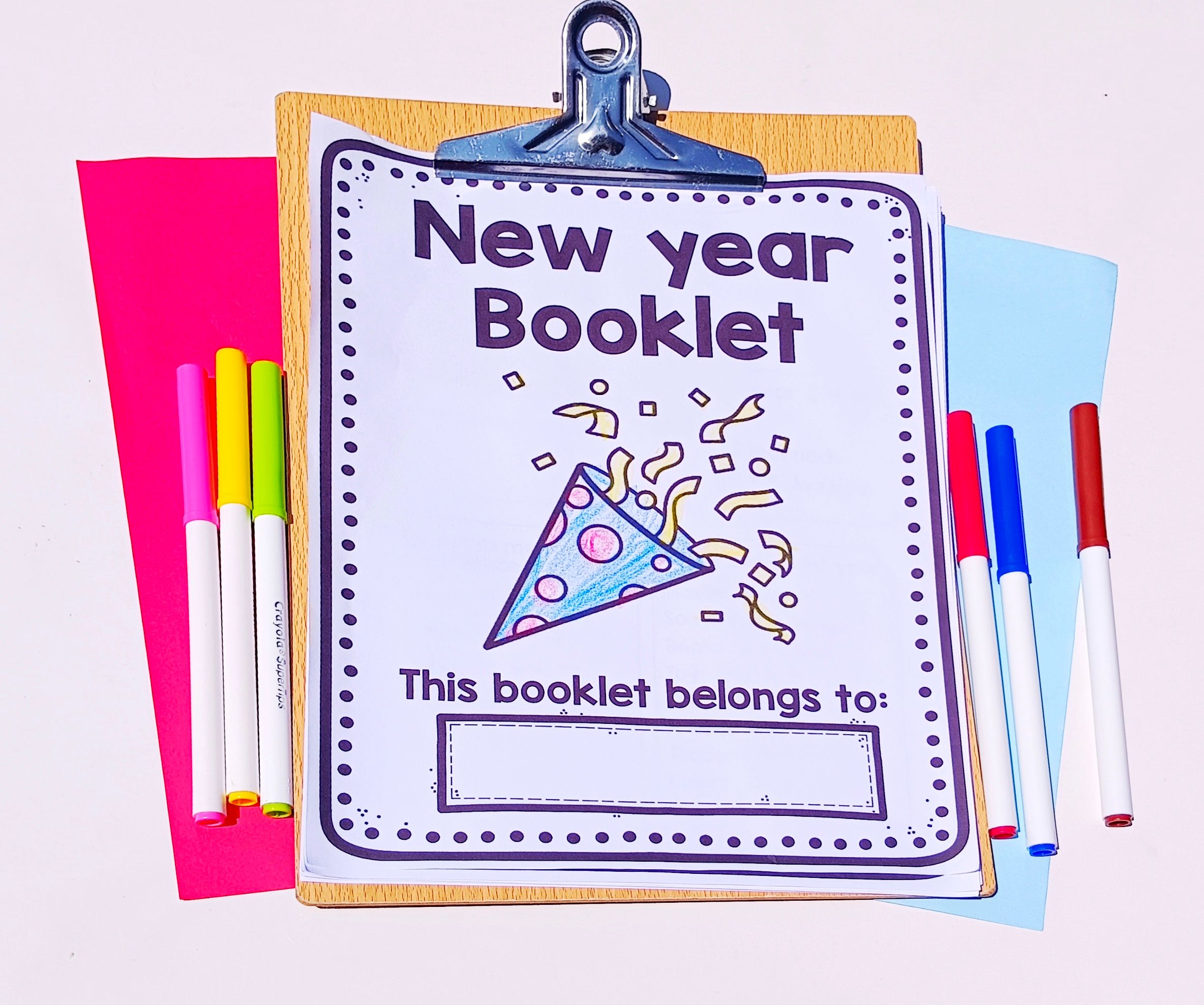
Turn It Into a Keepsake Print all the pages and bind them into a New Year booklet. Add a cover page and let students decorate it with their own artistic flair. It becomes a keepsake they can revisit at the end of the year to see how far they've come. You can even laminate the covers for durability—because let’s be honest, everything eventually ends up in a backpack full of snack crumbs.
Make It Interactive Want to take it beyond a worksheet? Try these hands-on ideas:
✨ Resolution Role Play Have students act out their resolutions in small skits. It’s hilarious, heartwarming, and memorable. Plus, it gets the wiggles out. Like Riding a boat and with this skit.

✨ Resolution Bingo Create Bingo cards with common resolutions like "eat more veggies," "clean my room," or "practice reading." As students share their goals, mark them off. First one to Bingo gets a sparkly pencil (or eternal bragging rights).
✨ Crafty Goals Let students create a "Resolution Jar" with tiny slips of paper inside. Each one has a goal, wish, or prediction for the year. They can revisit the jar each month to stay on track.

Looking for a no-fuss, engaging, and academically rich way to bring New Year’s goal-setting to your classroom? This New Year Activity Pack includes everything you need:
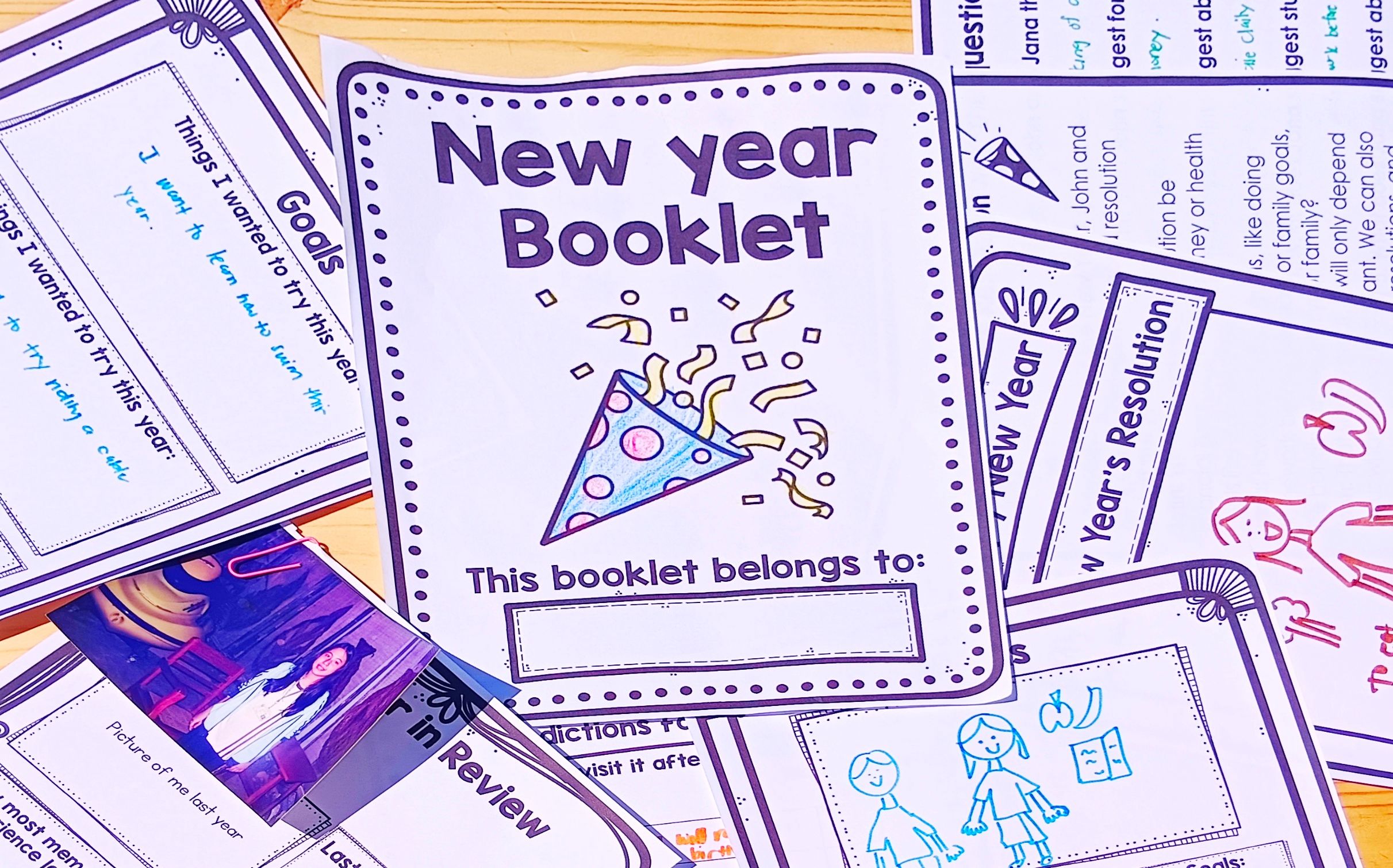
- ✍️ New Year Booklet Cover Page
- 📚 My Year in Review reflection worksheet
- 🌟 Goal-setting pages
- 🔢 New Year’s Resolution writing worksheet
- 🧒 Predictions for the Year page
- 📖 Reading passage + comprehension questions
Perfect for:
- Worksheets
- Homework
- Morning work
- Assessment
- Bulletin board displays
Why You’ll Love It:
❤️ Engaging & Relevant: Kids love talking about themselves and their future. This taps into that energy.
❤️ No Prep Needed: Just print and go!
❤️ Social-Emotional Learning: Encourages students to reflect and grow.
❤️ Skill-Building: Combines writing, reading, and reflection all in one neat package.
Bonus Suggestions From Yours Truly:
Because I just can't help myself.
✨ Monthly Goal Check-Ins Set a date each month where students review their goals. Did they stick to it? Did they forget they made one? Should we all laugh at our January optimism? It’s a great accountability tool and keeps the resolutions from becoming that abandoned gym membership.
✨ Vision Boards Have students create visual representations of their goals using drawings, magazine clippings, or stickers. It taps into creativity and makes the goals feel real.

✨ Celebrate Successes As the year progresses, celebrate the students who are sticking with their resolutions. Small shout-outs go a long way ("Hey Emily, I noticed you’ve been raising your hand more—rock on!").
Wrapping It Up (With Confetti, Of Course) Teaching New Year’s resolutions to kids doesn’t have to be boring or complicated. With the right mix of reflection, creativity, and silliness, you can guide students to make meaningful goals while sneaking in academic skills they need. Whether they resolve to read more, stop interrupting (bless), or try a new hobby, you’re helping them build a mindset of growth and intention—something even adults could use a little more of. So go ahead, print those worksheets, grab some glitter (optional but fun), and help your students ring in the New Year with purpose and pride. Happy Teaching (and may all your resolutions survive past February)! 🎉
Follow Me for More Teaching Tips with Joy For more tips, resources, and a daily dose of teaching joy, follow me on:
Got questions or want to share your success stories? Drop me an email at thejoyinteaching@gmail.com. I love hearing from fellow educators and parents! Happy Teaching!
Joy Medalla
The Joy in Teaching 💛