How to Teach Reading Comprehension to First Graders (Without Losing Your Sanity or Your Coffee Mug)
So, you’ve got a class of energetic, wiggly, wildly imaginative first graders and you’ve been tasked with teaching them something monumental: reading comprehension. Yep. That beautiful moment when a child doesn't just read the words on the page, but actually gets them. Let’s be honest—teaching reading comprehension to first graders is kind of like trying to herd cats… if the cats are learning to decode CVC words while discussing the moral of a story. But the payoff? Pure gold. Let’s walk through the fun, easy, and effective ways you can teach reading comprehension to your little learners. And yes, we’ll throw in a few laughs and some time-saving tips along the way.
First Things First: What Is Reading Comprehension, Anyway? Reading comprehension is the ability to understand, remember, and make meaning of what was just read. For first graders, this isn’t just about answering a question like, “Who was the main character?” It’s also about connecting what they read to their own lives, sequencing events, and picking up on key details. In other words, they’re not just learning to read—they’re reading to learn. (Cue the teacher happy dance!)
Step 1: Build the Basics Before diving into comprehension strategies, make sure your students are:
- Comfortable with decoding basic sight words and phonics-based words.
- Able to read short passages independently (with a few wobbles here and there—perfection not required!).
You can check this out if you haven't built the foundations yet:
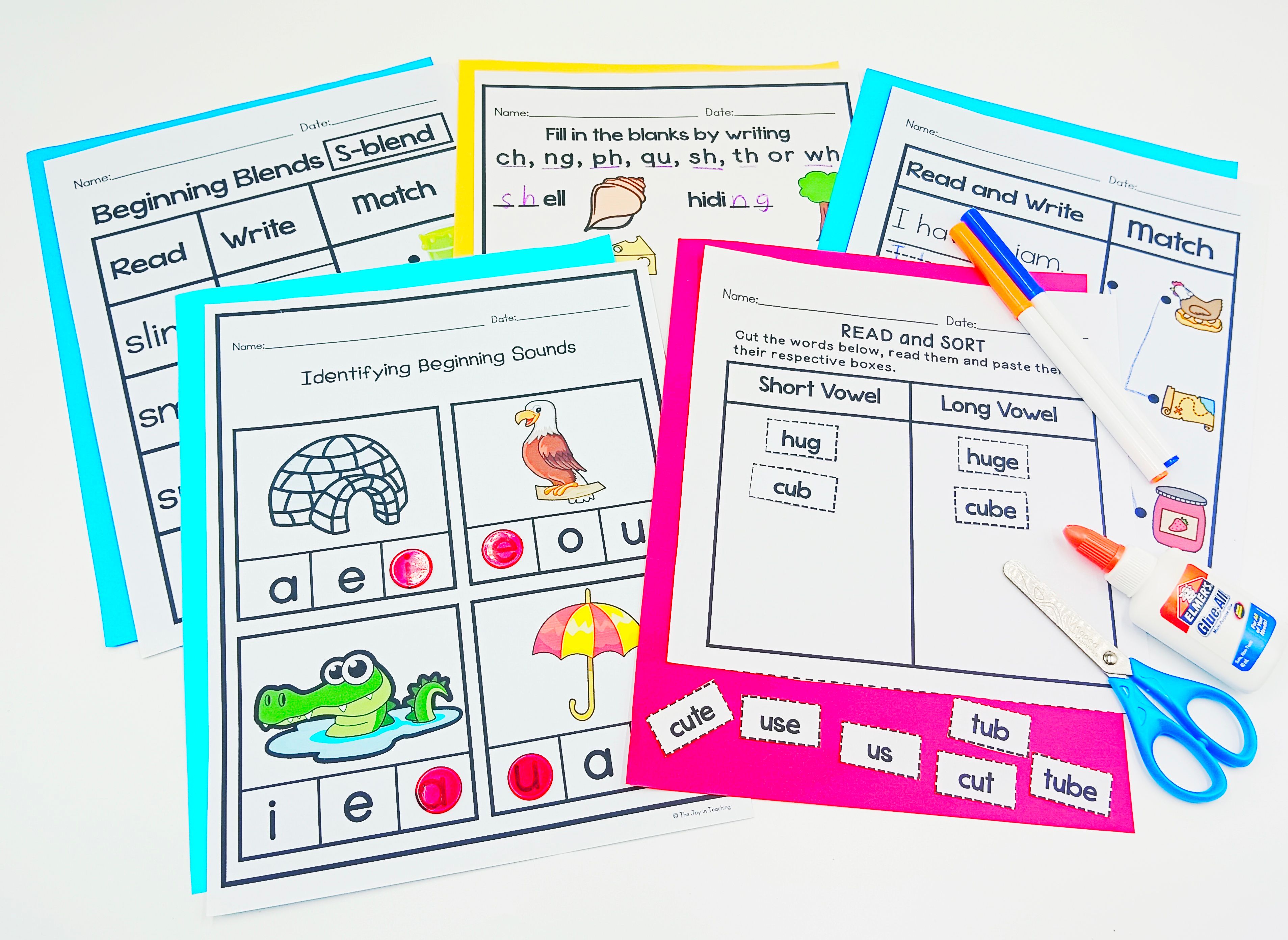
Reading comprehension starts with fluency. If decoding takes all their energy, there won’t be much brainpower left to think about what they read.
Step 2: Read Aloud Like You’re on Broadway Yes, we mean drama. Voices. Expressions. Long pauses. When you model expressive reading, kids get a sense of tone, pacing, and emphasis. It also makes the story come alive—and attention spans stick around a little longer. Pro tip: Ask questions while reading aloud.
- "What do you think will happen next?"
- "Why do you think the character did that?
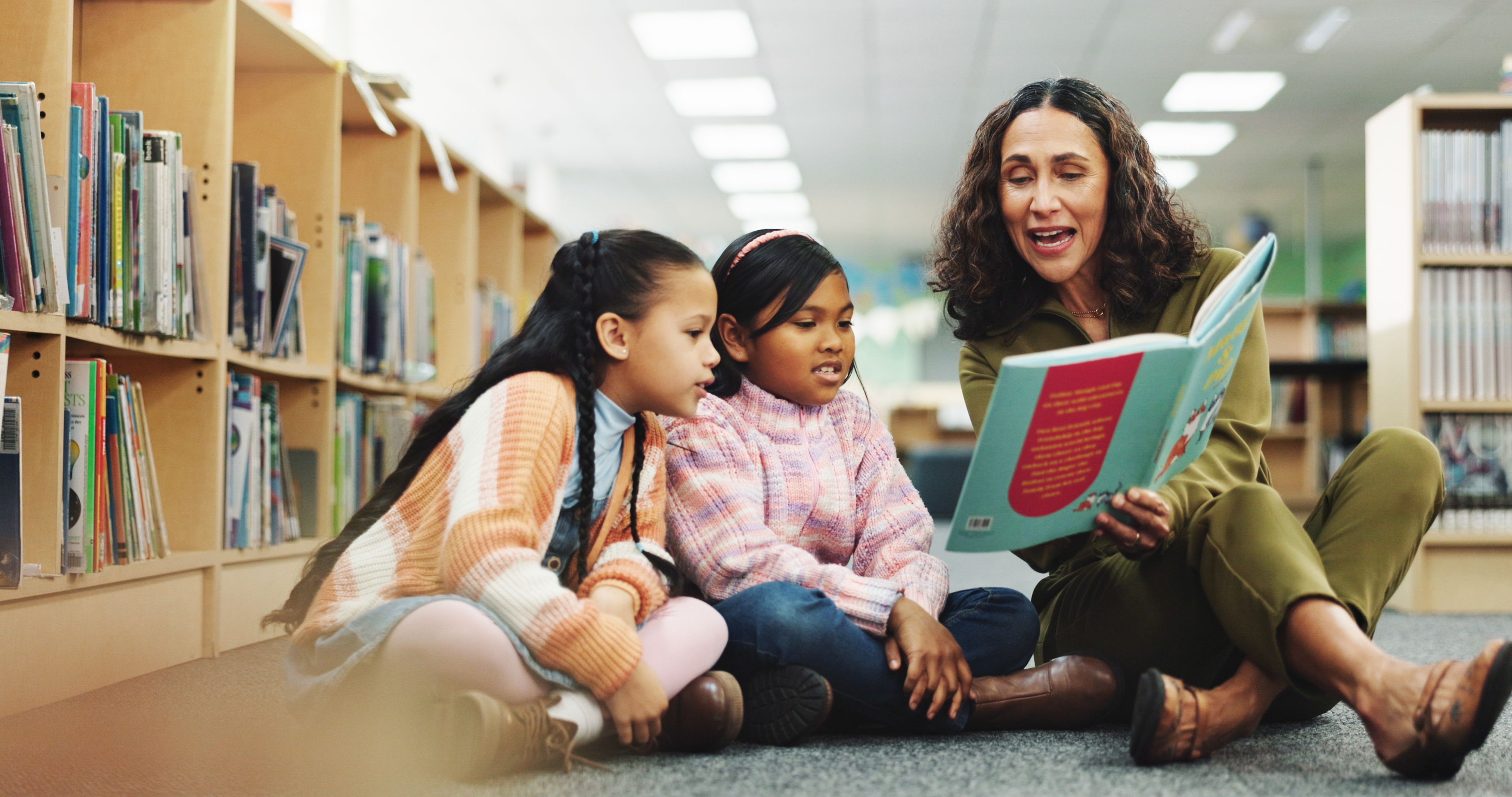
This sneaky little strategy gets them into the habit of thinking while reading.
Step 3: Teach Them to Think Like Detectives 🕵️♂️ Reading comprehension is all about finding clues in the text. Start simple:
- Who?
- What?
- When?
- Where?
- Why?
- How?

You can even turn this into a class chant! Bonus points if you add jazz hands. Have students go on a "reading clue hunt" after reading. This is more fun if they wear detective hats, obviously.
Step 4: Break Down the Strategies (in Kid-Speak)
Predicting – “What do you think will happen next?”
Visualizing – “What picture do you see in your brain while reading this?”
Questioning – “What are you wondering about?”
Clarifying – “Did that part confuse you? Let’s figure it out.”
Summarizing – “Tell me what happened in just a few sentences.” Make a classroom anchor chart with these strategies using fun pictures. The more visual, the better.

Step 5: Start Small—Use Short Passages Don’t hand them Charlotte’s Web on Day One. Start with bite-sized passages that they can tackle with confidence. Short, focused, and on their reading level. That’s the sweet spot.
2nd Grade Reading Comprehension Passages and Questions by The Joy in Teaching
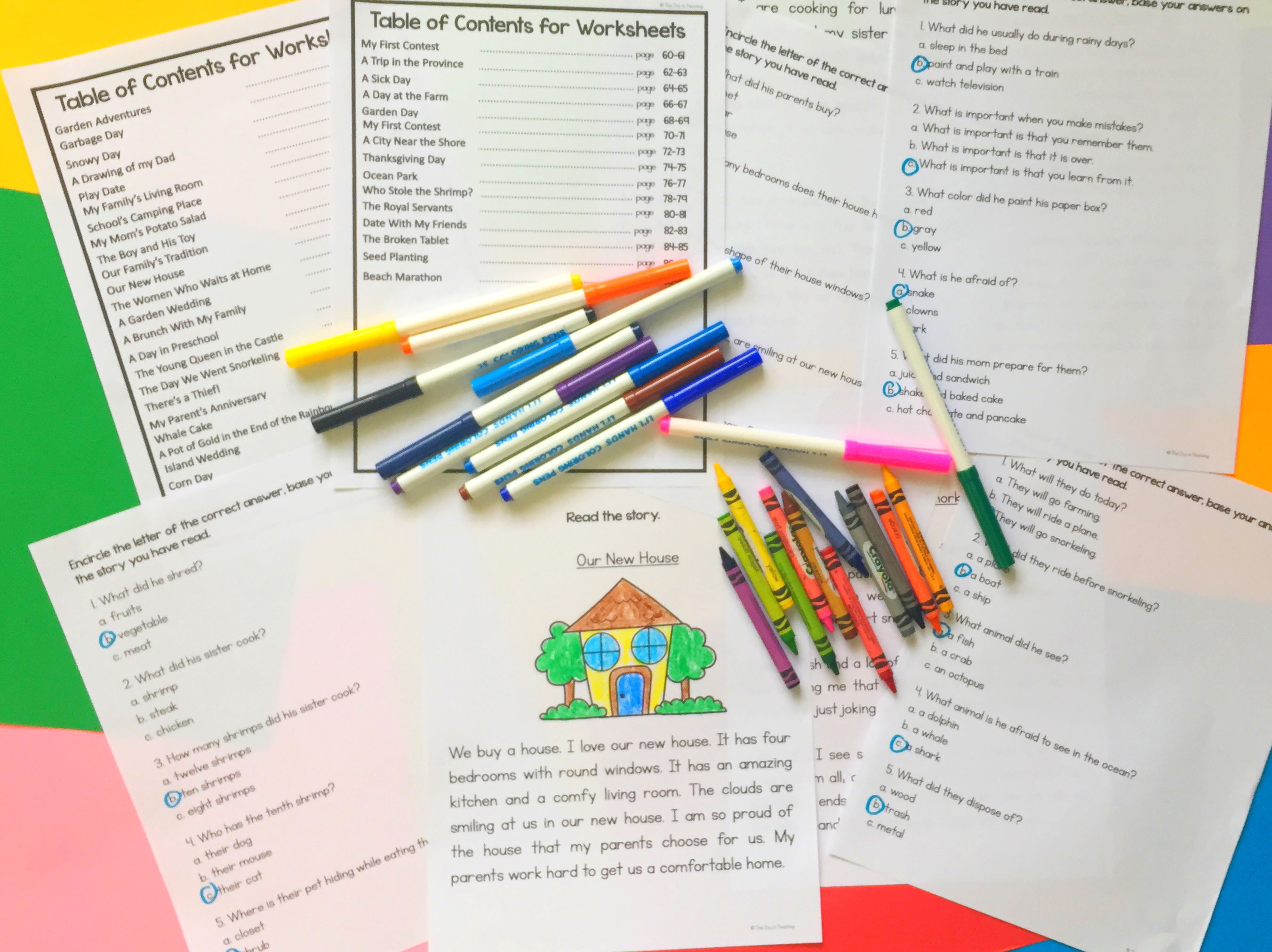
Step 6: Incorporate Questions the Fun Way Instead of just handing over a worksheet (we see you), mix things up:
- Use multiple-choice questions with fun clip art.
- Let them draw their answer.
- Turn questions into a board game.
- Act out parts of the story and ask comprehension questions afterward.
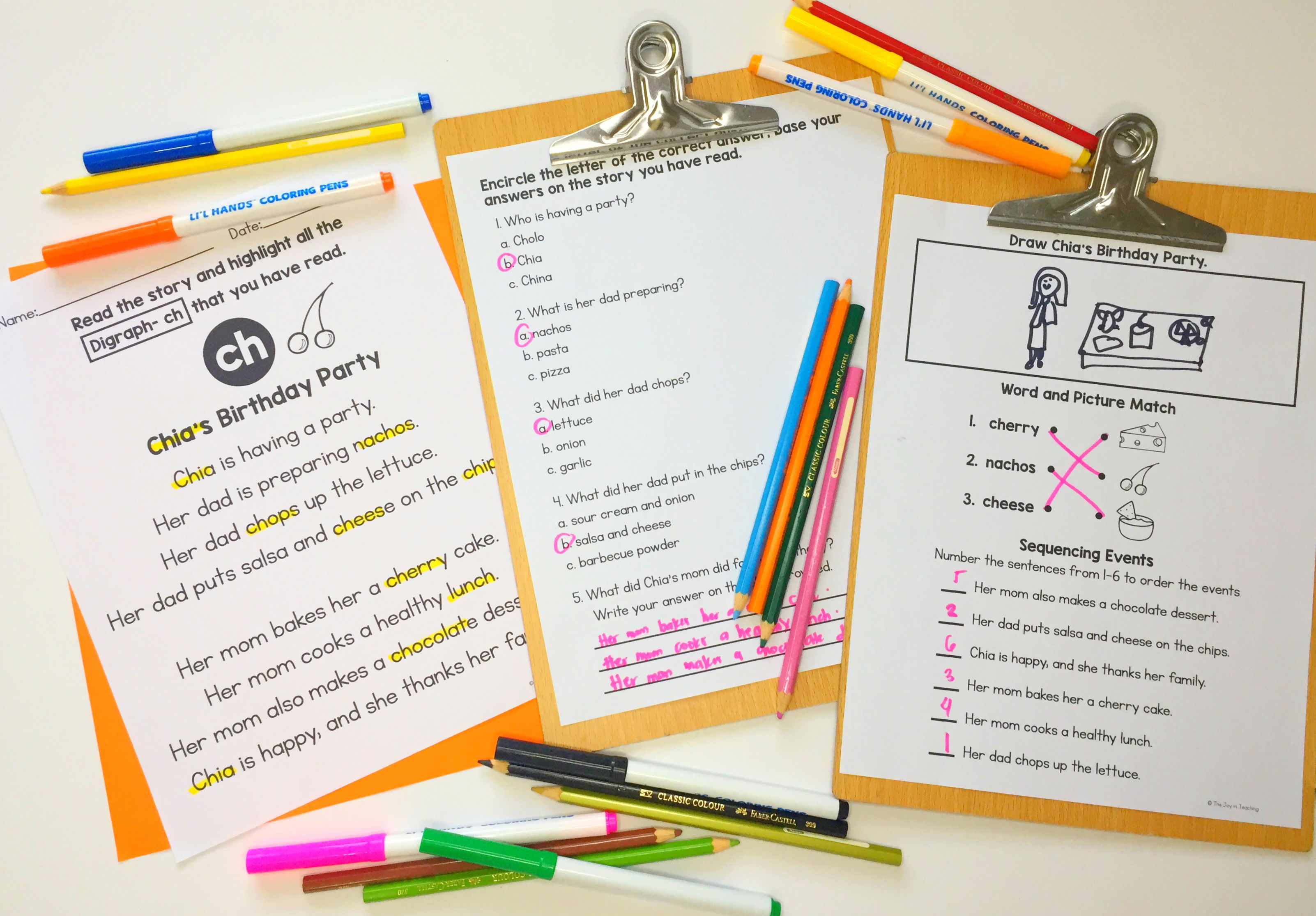
Step 7: Try Our Favorite Resource Here’s where we gently suggest a little help from a friend—aka, our First Grade Reading Comprehension Passages. This resource is like having a reading comprehension assistant at your fingertips:
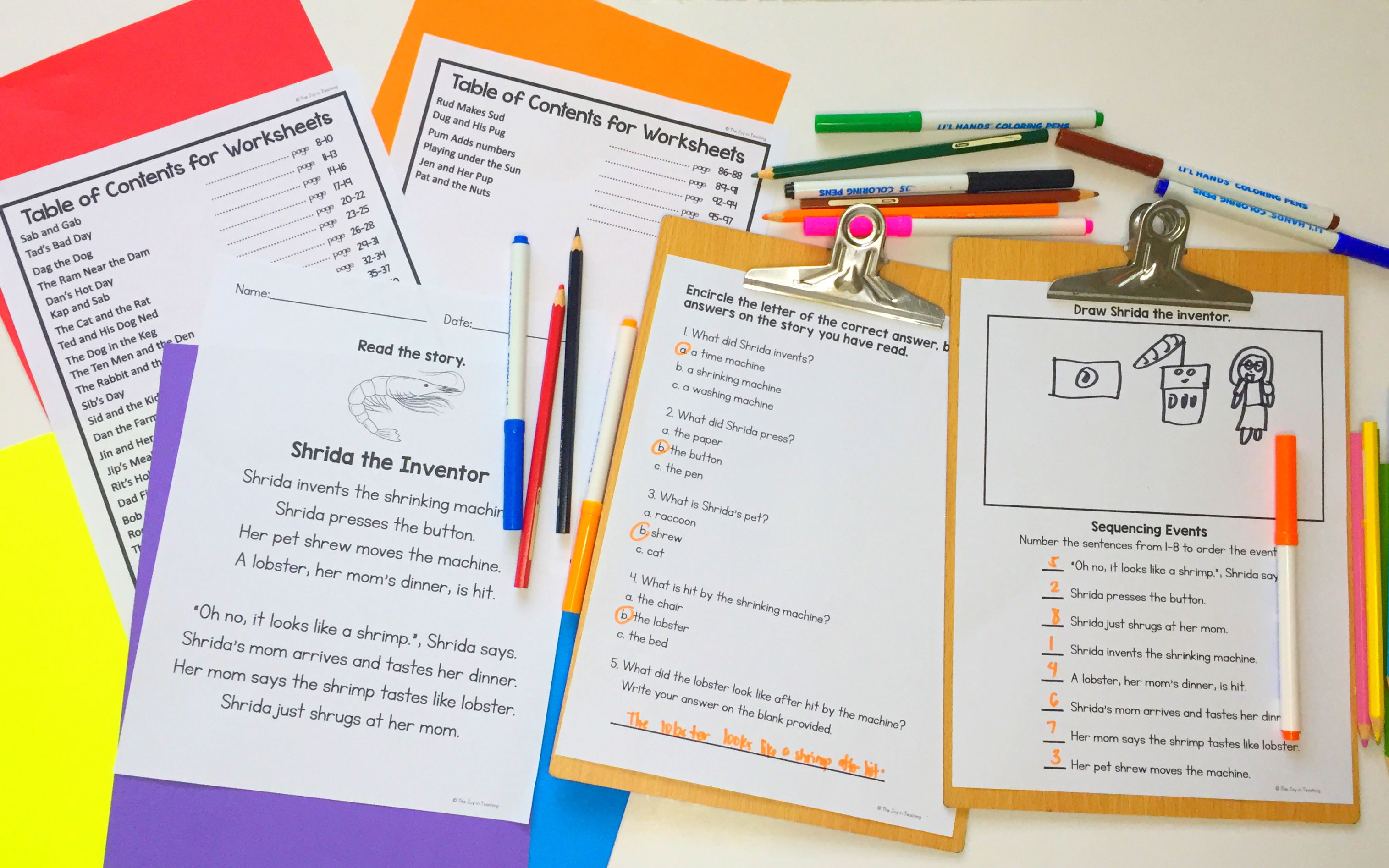
✅ 27 passages tailored for first grade
✅ Multiple-choice, open-ended questions, and drawing activities to assess understanding
✅ Sequencing practice with sentence ordering
✅ Character comparison activities
✅ Essay-style prompts for personal connections
✅ Table of contents for easy-peasy navigation
Perfect for:
- Literacy centers
- Homework
- Assessments
- Small group work
- Or that 10-minute window when everyone is weirdly quiet
It’s low prep, high impact. Just print and go (bonus points if you use colorful paper).
Step 8: Encourage Retelling If they can tell you what the story was about, they understood it. Let them retell the story by:
- Drawing it out like a comic strip
- Acting it out with puppets or props
- Using simple story maps
- Talking through beginning, middle, and end
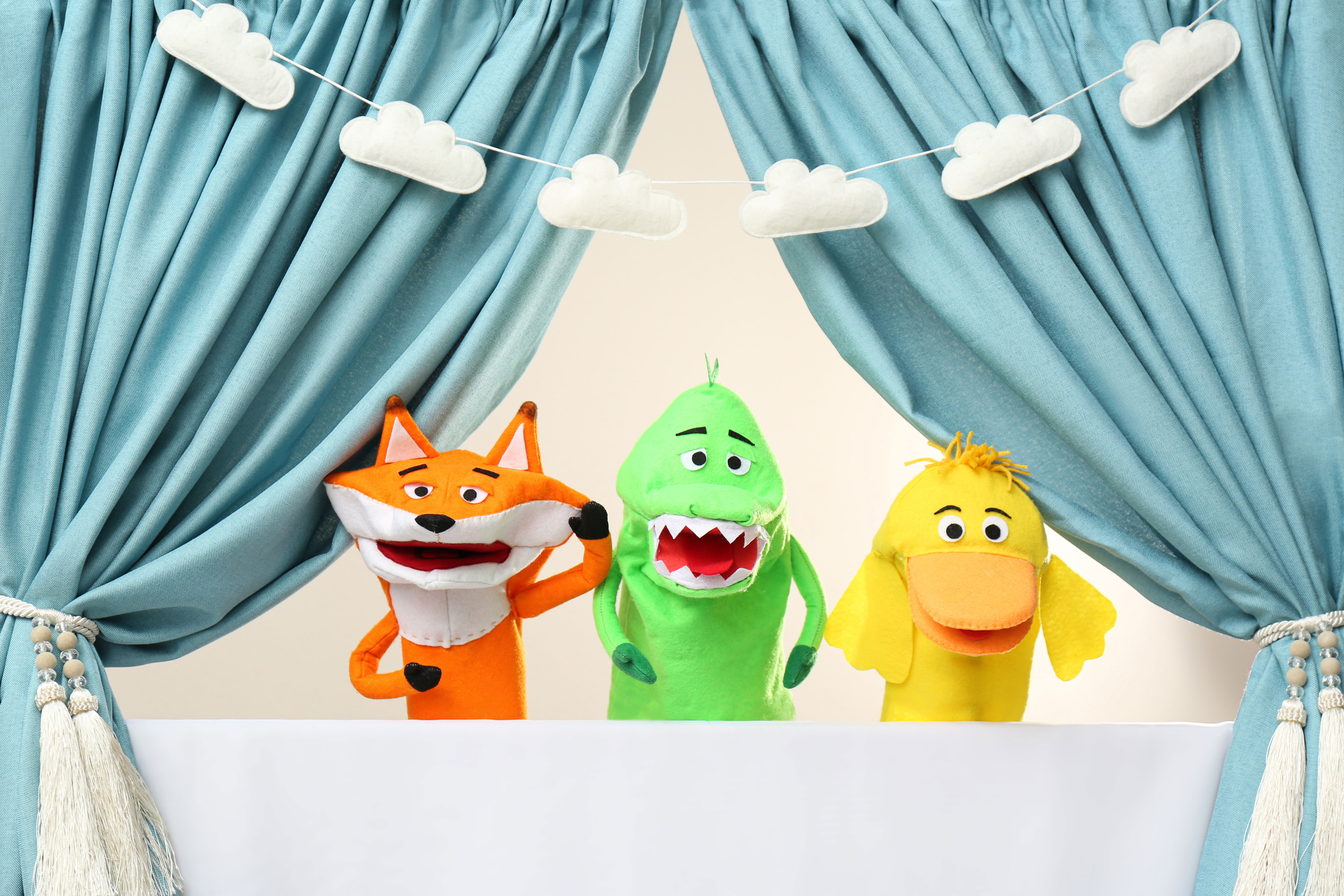
(Warning: Prepare for wild hand gestures and run-on sentences.)
Step 9: Connect to Real Life Good readers make connections. Teach them to say:
- “This story reminds me of…”
- “That character is like me because…”
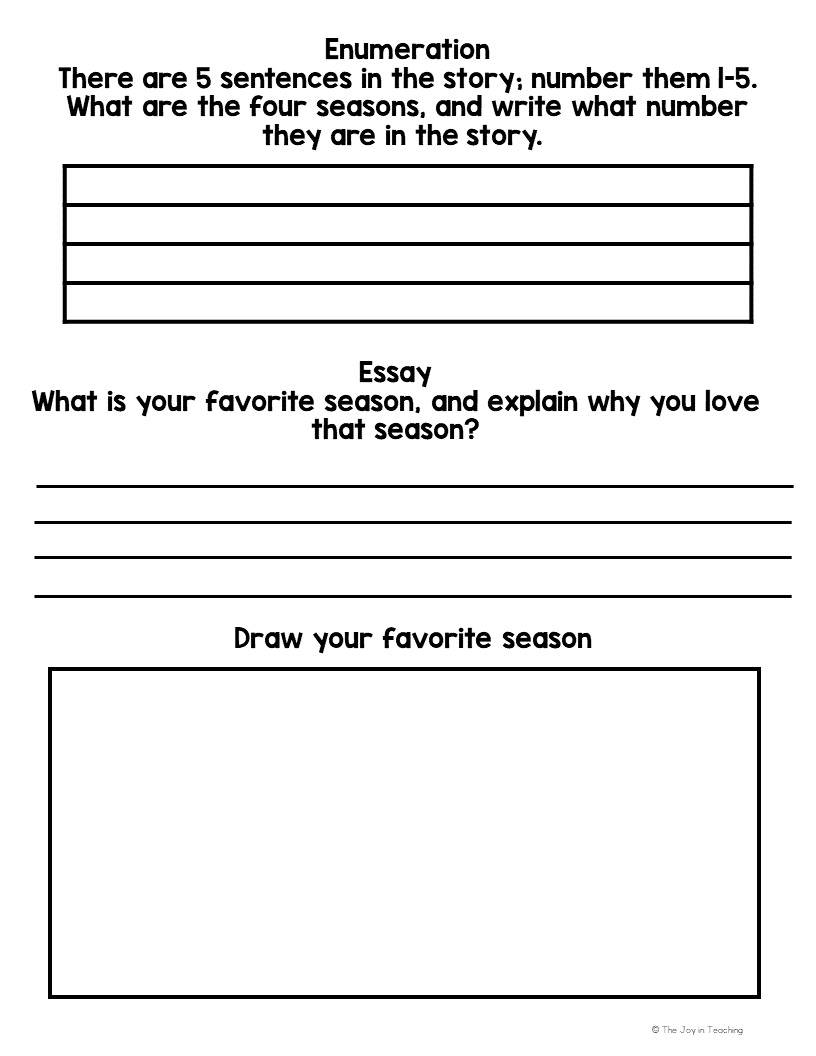
Use the essay/enumeration questions in your resource to help students make these personal connections. It’s not just about reading the story—it’s about feeling it, relating to it, and learning from it.
Step 10: Repetition Isn’t Boring (Promise!) Reading the same type of activity over time builds confidence. Mix up the stories, but keep the structure. When kids know what to expect, they feel more successful, and the skills start to stick. You know what they say: repetition is the breakfast of comprehension. (Okay, no one says that. But maybe they should?)
Bonus Tips for Teaching Reading Comprehension to First Graders
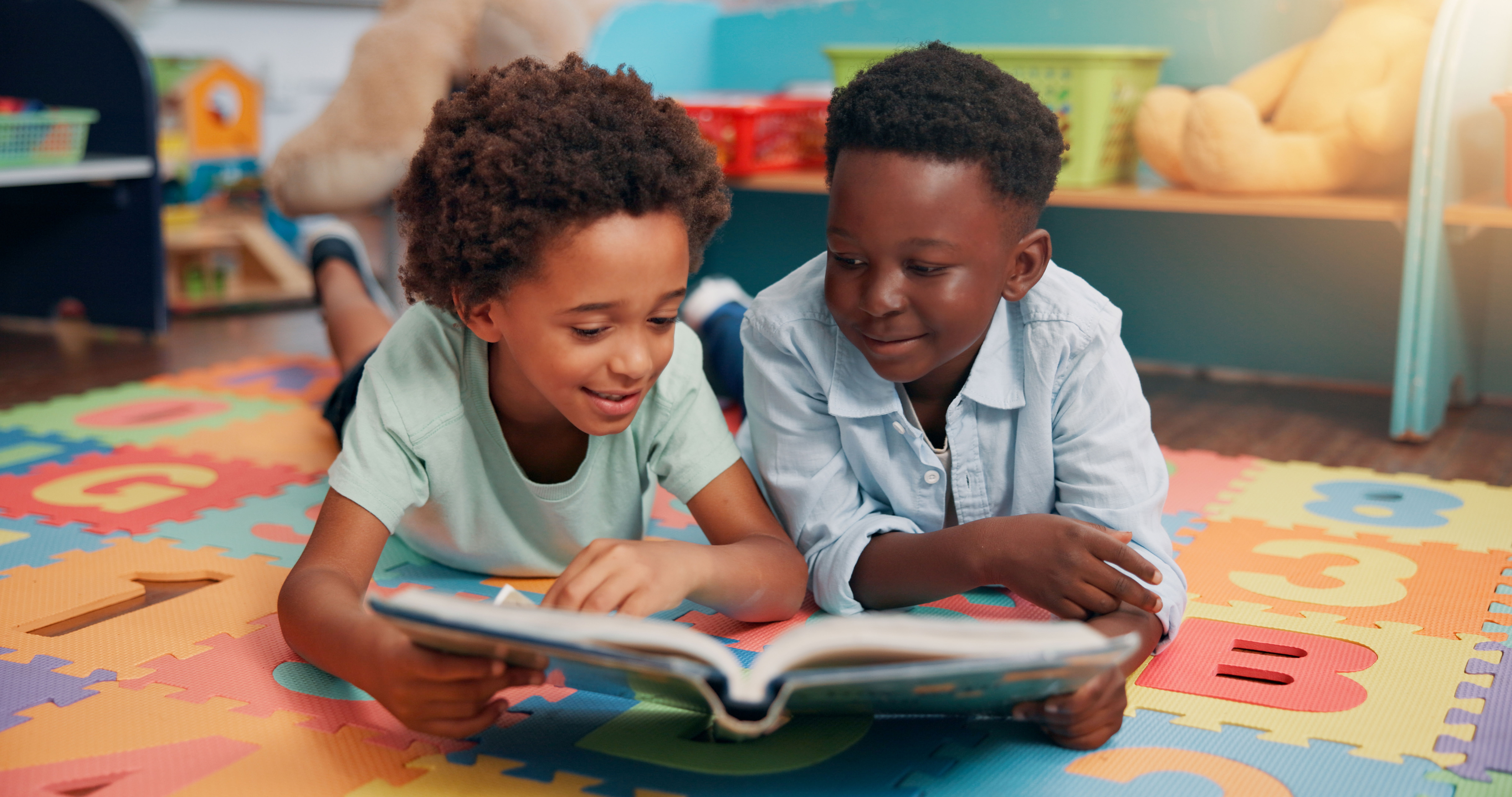
- Use partner reading to encourage listening and speaking.
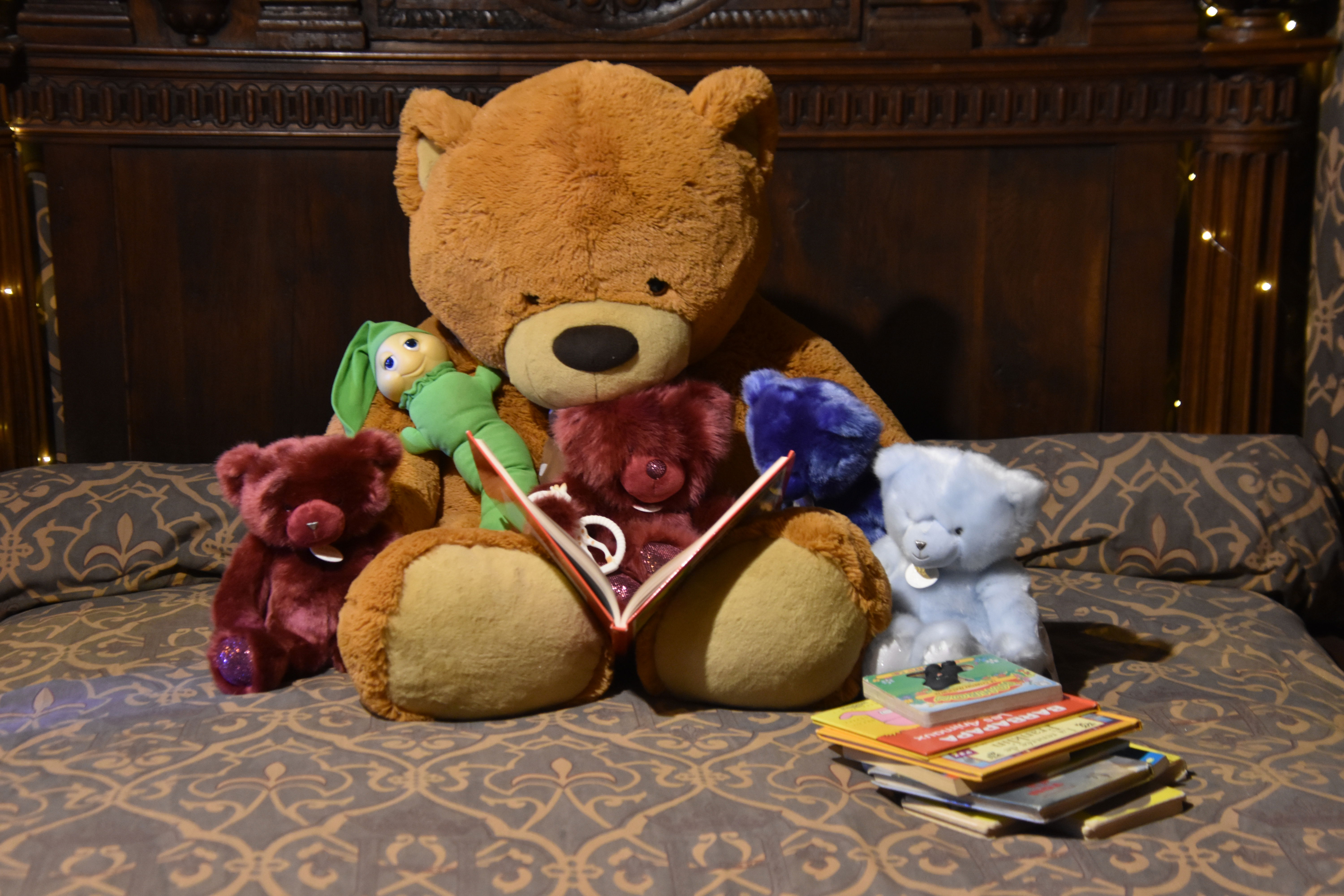
- Have a class reading mascot (a stuffed animal works wonders!)
Celebrate milestones—“You finished 5 passages? You’re basically a reading ninja.”

Final Thoughts: It’s a Journey, Not a Sprint Reading comprehension doesn’t magically happen overnight. Sometimes your students will blow you away with their insight. Other times they’ll tell you the story was about a unicorn named “Poopy” (real story). But every step forward matters. So keep modeling, keep encouraging, and keep reading. And if you need a no-fuss, fun-filled tool to support your readers? Our First Grade Reading Comprehension Passages have you covered—without the glitter explosion. Happy reading, teacher friend! You’re doing great.
Follow Me for More Teaching Tips with Joy For more tips, resources, and a daily dose of teaching joy, follow me on:
Got questions or want to share your success stories? Drop me an email at thejoyinteaching@gmail.com. I love hearing from fellow educators and parents! Happy Teaching!
Joy Medalla
The Joy in Teaching 💛