How to Teach Reading Comprehension to Kindergarten (Without Losing Your Mind or Your Markers)
Let’s be honest—teaching reading comprehension to kindergarteners can feel like a superhero-level task. These are the same tiny humans who sometimes forget their own names and think glue sticks are a food group. But here’s the truth: teaching comprehension at this age is possible—and it can even be fun. With the right strategies, a little patience, and realistic expectations, you can help young learners understand stories, talk about what they read, and build a strong foundation for lifelong learning.
Why Reading Comprehension in Kindergarten Matters
Reading comprehension is the ability to understand, remember, and talk about a text. For kindergarteners, this mostly happens through listening, discussion, pictures, and play—not independent reading. When comprehension is taught early, children:
- Build strong vocabulary
- Learn to think critically
- Gain confidence as readers
- Develop a love for books
Once a child understands that stories have meaning, reading becomes purposeful—not just sounding out words.
What Reading Comprehension Looks Like in Kindergarten
Kindergarten comprehension is simple, visual, and interactive. It does not mean writing paragraphs or analyzing complex text. Instead, it looks like:
- Listening to stories and retelling them
- Answering basic questions (who, what, where, when, why)
- Making predictions
- Sequencing events
- Identifying characters and settings
- Connecting the story to real life
All of this can happen even before children are fluent readers.
Practical Strategies That Actually Work
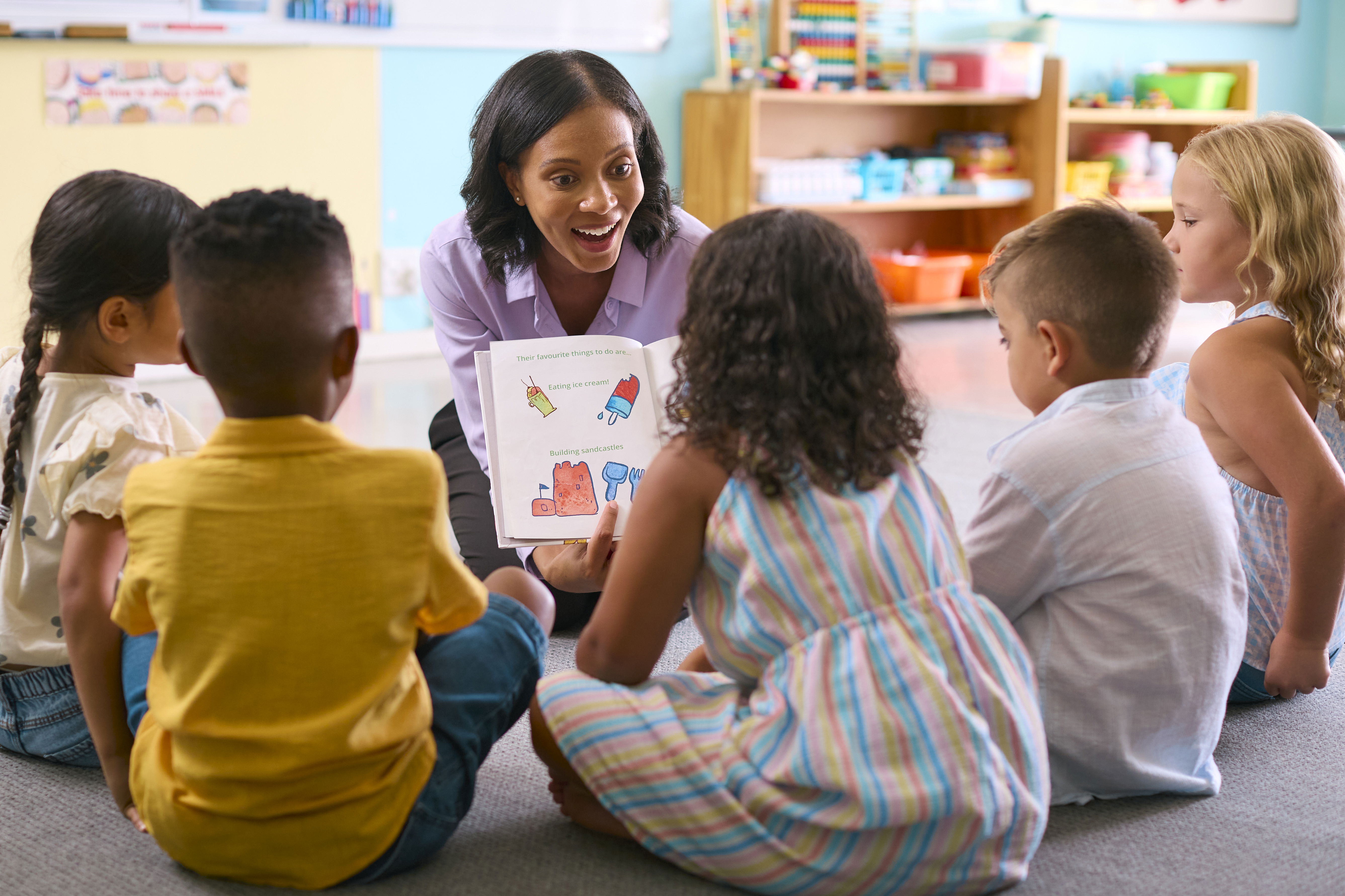
1. Read Aloud Every Day
Read aloud are the backbone of comprehension. Pause often and ask:
- “What do you think will happen next?”
- “Why did the character do that?”
- “How would you feel in this situation?”
This models how good readers think.

2. Teach Students to Use Pictures
Before reading, explore the illustrations:
- “What do you notice?”
- “What do you think this story is about?”
Pictures provide context and confidence for young learners.
3. Retell Through Drawing
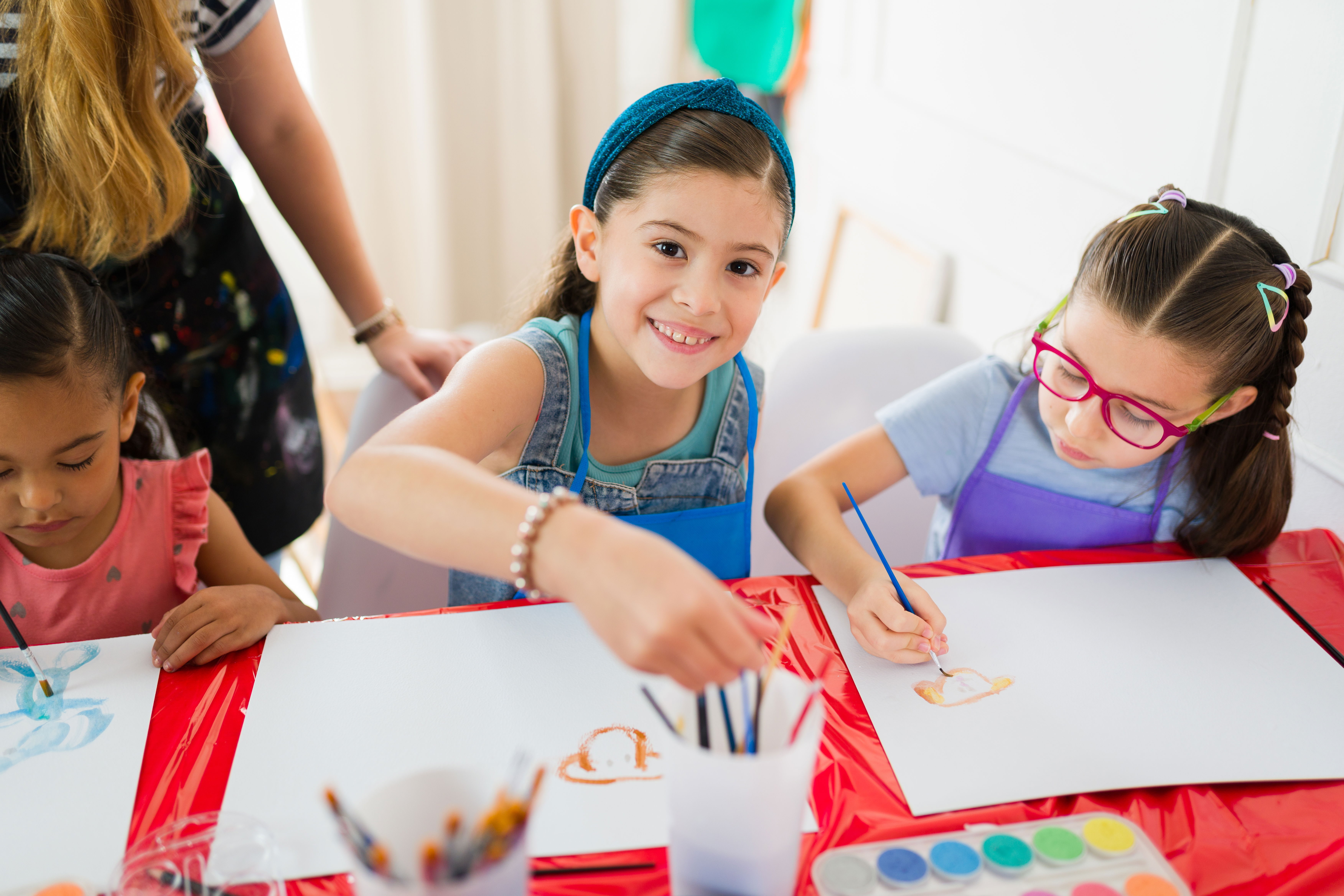
Many kindergarteners understand stories better than they can write them. Drawing allows students to:
- Retell events in order
- Show their favorite part
- Express understanding without writing pressure
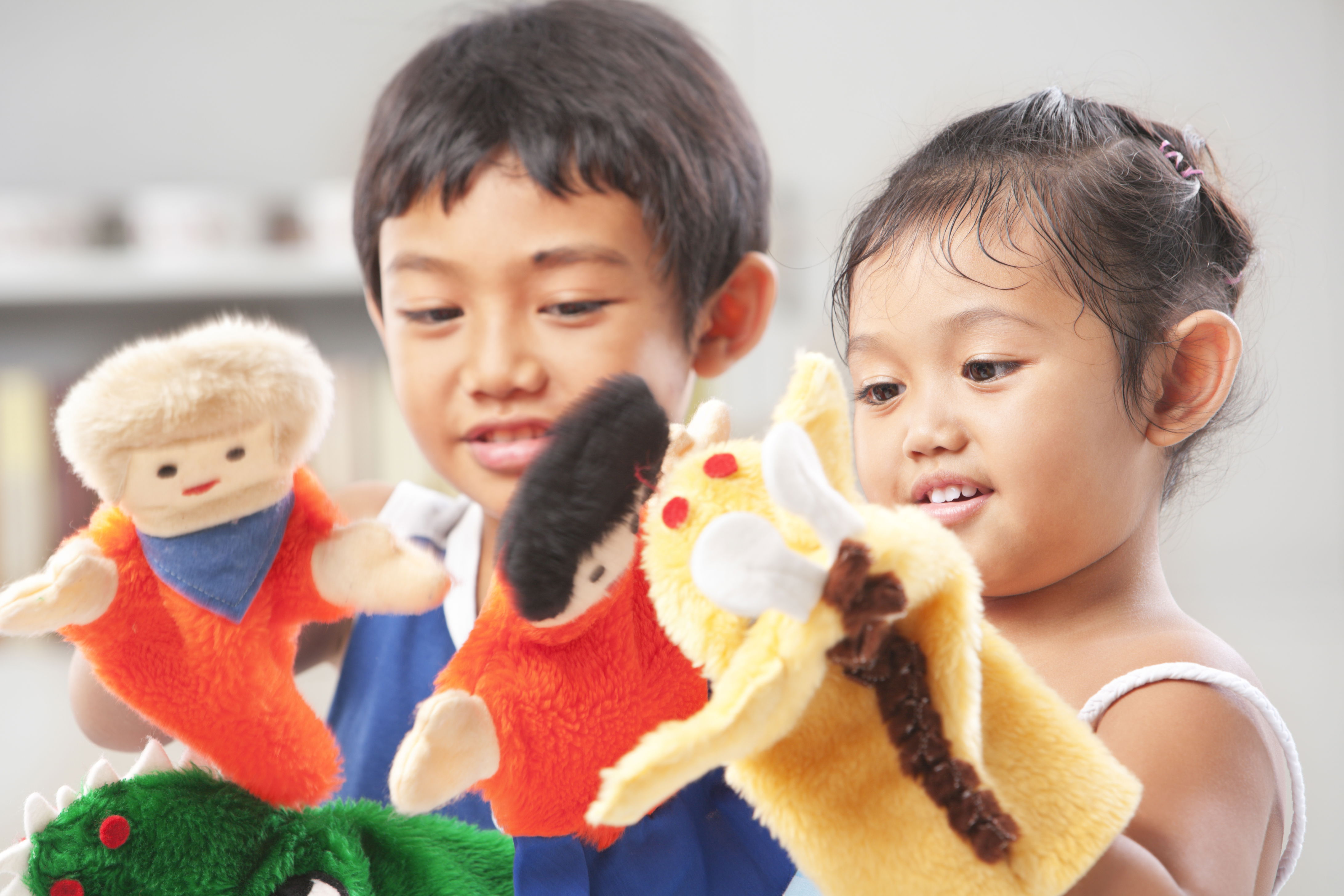
4. Act It Out
Movement supports memory. Let students:
- Pretend to be characters
- Act out beginning, middle, and end
- Use simple props
Bonus: this helps students with lots of energy stay engaged.

5. Model Thinking Out Loud
Say what you’re thinking while reading:
“Hmm… I wonder why the bear ran away. Maybe he was scared.”
This teaches students how to think while reading.

6. Make Text-to-Self Connections
Help students connect stories to their own lives:
- “Have you ever felt like the character?”
- “Have you ever done something like this?”
Personal connections make comprehension stick.

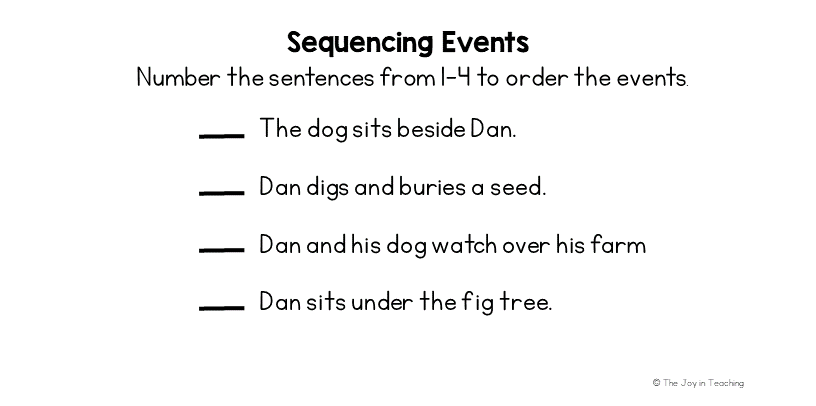
7. Practice Sequencing Often
Use simple questions:
- What happened first?
- What happened next?
- What happened last?
Picture sequencing works especially well in kindergarten.
8. Use Small Groups or Centers
Comprehension grows through conversation. Small groups allow students to:
- Reread stories
- Discuss answers
- Learn from classmates

Making Comprehension Fun
- Story Boxes: Pull out objects and create a story

- Puppets: Let a puppet ask the questions
- Comprehension Wall: Display drawings, sequences, and questions
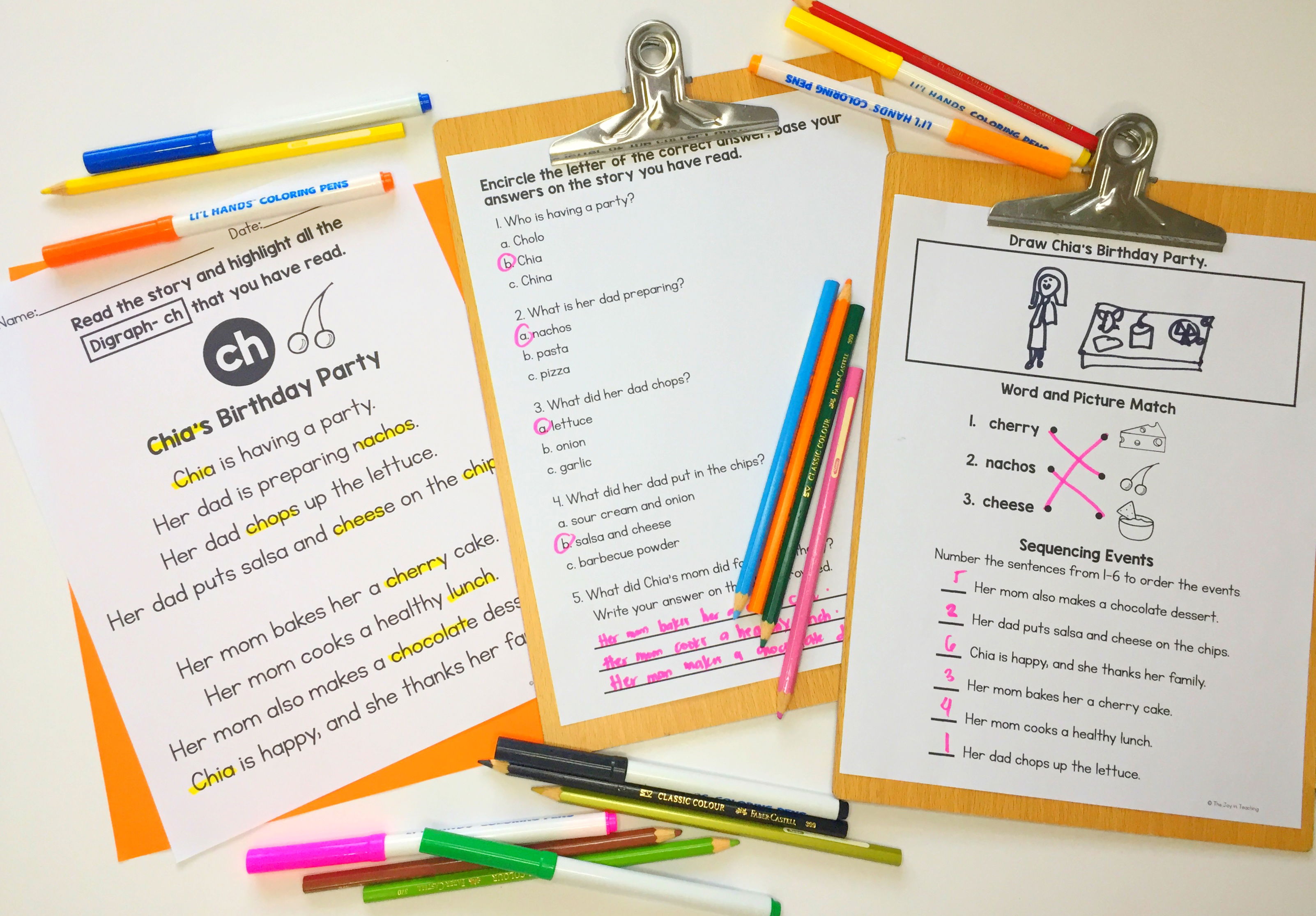
When learning feels playful, students stay engaged longer.
Final Thoughts (And One Helpful Tool)
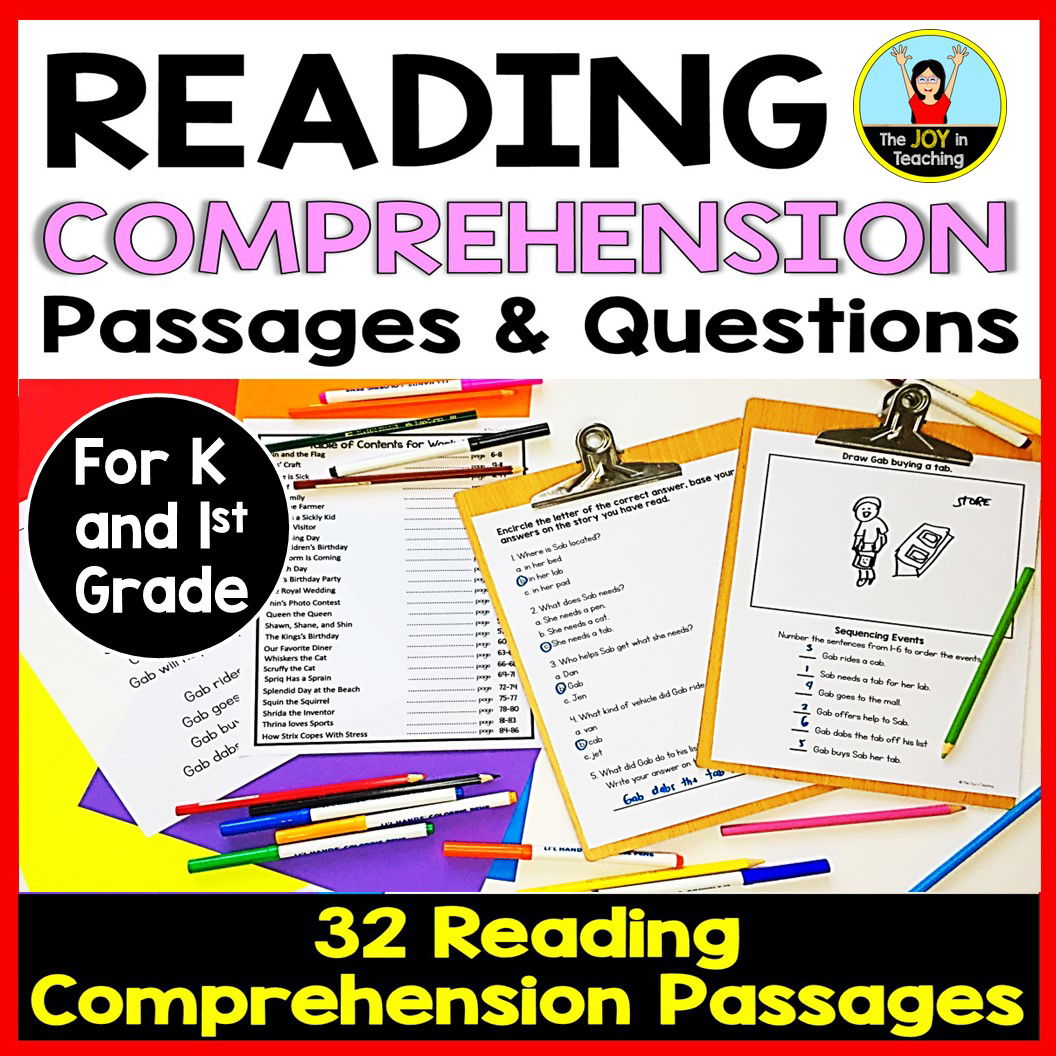
Teaching reading comprehension in kindergarten doesn’t have to feel overwhelming. With consistent read-aloud, meaningful conversations, and simple activities like drawing and sequencing, young learners can build strong comprehension skills—without burnout.👉 If you’re looking for an easy, time-saving resource, I created a Kindergarten Reading Comprehension Passage Pack that includes 32 passages, multiple-choice and open-ended questions, sequencing activities, drawing retells, character comparisons, and text-to-self connections—all in a print-and-go 160-page PDF (passages, worksheets, and answer keys). It’s designed to support everything you’ve just read about—whether for whole group, small groups, centers, or independent practice. Because teaching comprehension should feel manageable… and you deserve tools that work with you, not against you ❤️
What Teachers Like You Said Don’t just take my word for it:
⭐⭐⭐⭐⭐ Stephanie F. says, "I have used it for guided reading, whole group, independent practice and so much more. I love how engaging it is for my students and the tactile piece of it motivates the students too."
⭐⭐⭐⭐⭐ Tanya D. says, "Made great morning literacy centers."
⭐⭐⭐⭐⭐ Rachel K. says, "This resource was a huge help for my struggling readers!"
Why You’ll Love This
❤️ Massive Content: 160 pages with 32 passages to choose from.
Enough to last you the whole year.
❤️ Easy to Use: Just print and go. Great for busy teachers (or when you forget to plan).
❤️ Targets Key Skills: Multiple choice, sequencing, drawing retells, and text-to-self connections.
❤️ Adaptable: Use it for classwork, homework, or assessments.
Follow Me for More Teaching Tips with Joy For more tips, resources, and a daily dose of teaching joy, follow me on:
Got questions or want to share your success stories? Drop me an email at thejoyinteaching@gmail.com. I love hearing from fellow educators and parents! Happy Teaching!
Joy Medalla
The Joy in Teaching 💛