How to Teach Reading Comprehension to Second Graders (Without Losing Your Mind or Your Sanity)
Let’s face it: teaching reading comprehension to second graders can sometimes feel like trying to herd kittens—adorable, chaotic, and often unpredictable. But don’t worry, with a few tried-and-true strategies, a sprinkle of patience, and maybe a cup or two of coffee (or tea, or whatever fuels your superhero teacher powers), you can help your students unlock the magical world behind the words they read. And guess what? I’ve got some handy tips, tricks, and yes — a little secret weapon (that’s a soft nudge to keep reading 😉) to make this journey not only effective but genuinely enjoyable for you and your kiddos.
Why Reading Comprehension at Second Grade Is a Big Deal Second grade is that magical time when children move from “learning to read” to “reading to learn.” They’re no longer just decoding words—they’re diving deeper into understanding what those words mean. They’re beginning to infer, predict, compare, and reflect. It’s like they’re upgrading from a kiddie paddleboat to a sleek speedboat, and your job is to make sure they don’t crash into any comprehension icebergs along the way. Good comprehension skills at this stage lead to better overall academic success, improved vocabulary, and a lifelong love of reading. But how do you teach these skills without your head spinning? Let’s break it down.
Step 1: Pick Engaging Stories That Spark Curiosity Let’s be honest, second graders can be easily bored. (Sound familiar?) So your first job is to grab their attention with stories that are interesting, relatable, and even teach a little moral lesson now and then. Think of stories about friendship, adventure, animals, or even silly situations where someone might accidentally wear mismatched shoes to school (because, hey, it happens!). Pro tip: Choose passages that are just right for their reading level—not too hard that they want to give up, but not so easy that they’re twiddling their thumbs. Having a table of contents that lets you quickly pick stories for different interests or reading abilities? Jackpot!
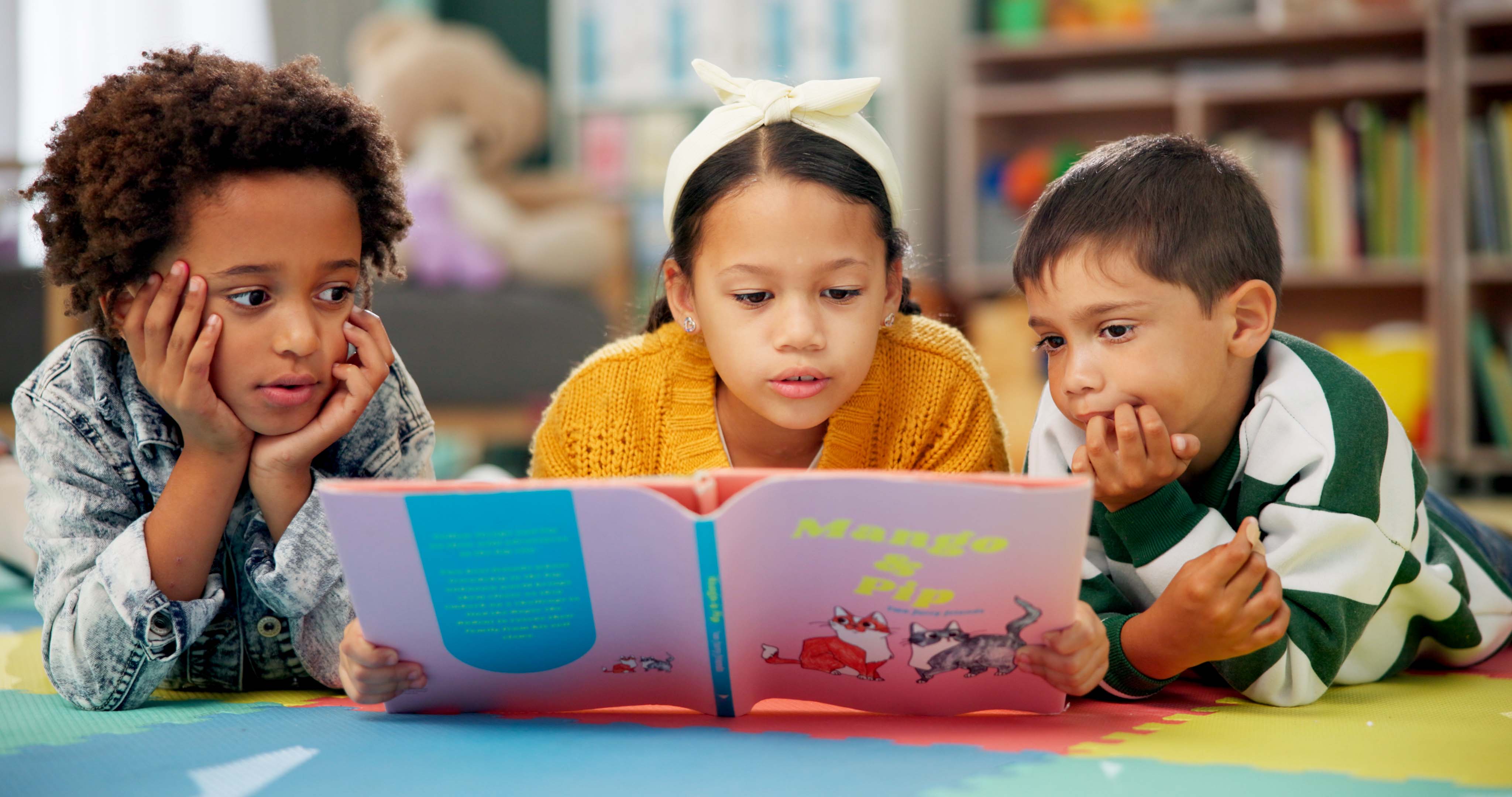
Step 2: Mix It Up with Different Question Types Second graders need variety to keep their brains sharp and their attention focused. Instead of just asking “What happened in the story?”, try mixing it up with:
- Multiple-choice questions: Great for quick checks and reinforcing details.
- Open-ended questions: Let them explain in their own words, boosting critical thinking.
- Drawing retells: Sometimes kids express what they understand better with a picture than words. Plus, it’s fun!
- Sequencing events: Get them to number sentences or reorder events to practice logic and order.
- Comparing characters: Who’s braver? Who’s nicer? This builds their analysis skills.
- Personal connection questions: “Have you ever felt like the character? What would you do?” — helps students connect emotionally with the story.
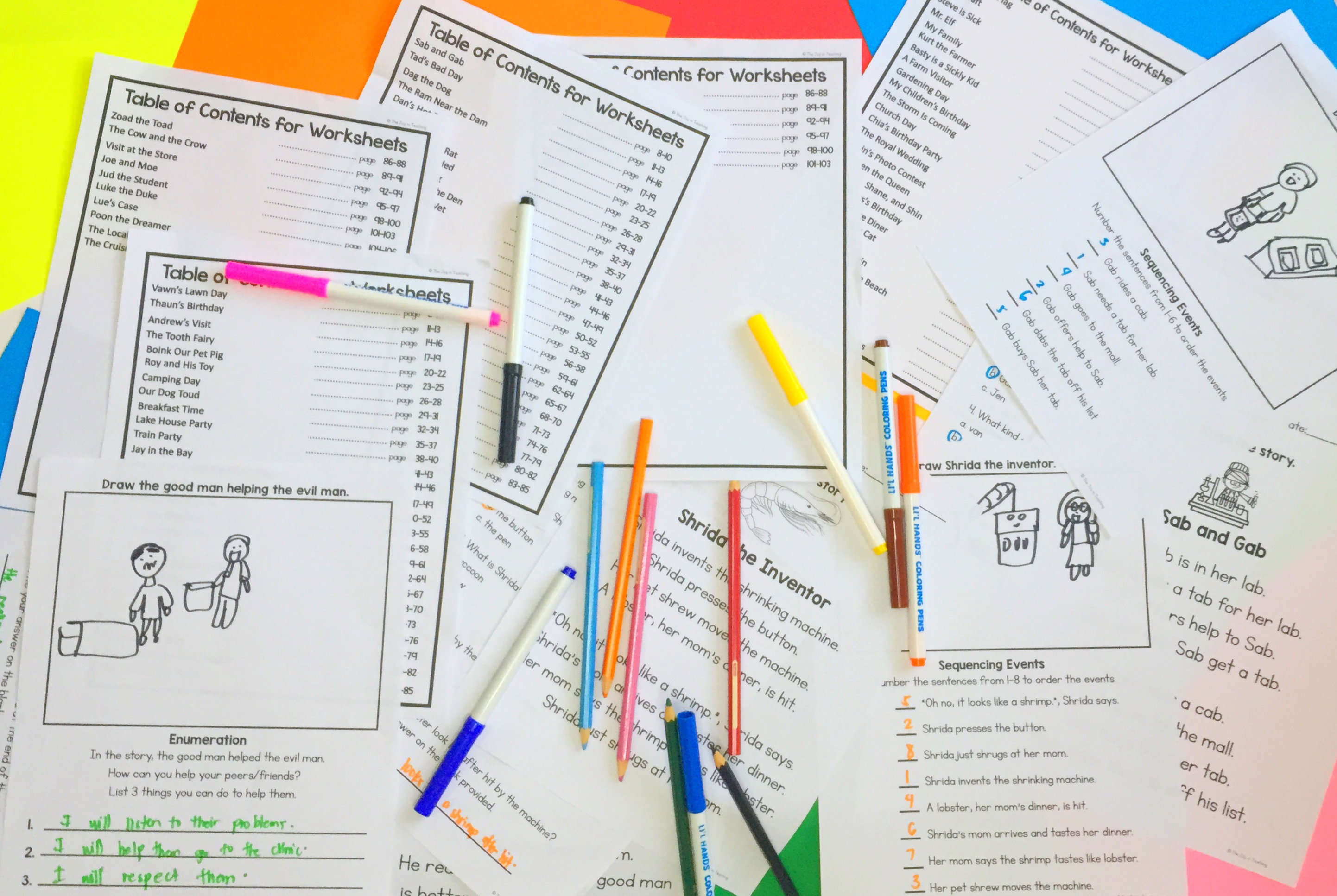
A well-rounded approach builds comprehension from many angles.
Step 3: Make It Routine but Not Routine-Dull Comprehension is like exercising a muscle—the more you practice, the stronger you get. But here’s the trick: no one wants to lift the same weight every day and get bored. So use these reading passages for a variety of daily activities like:
- Morning warm-up worksheets
- Homework assignments
- Take-home packets for extra practice
- Small group or reading center activities
- Quick comprehension assessments
Switch it up! Let them work alone sometimes, and other times work with a buddy. Turn one passage into a classroom discussion and another into a mini writing assignment.
Step 4: Celebrate Small Wins and Encourage Growth Kids thrive on encouragement (and so do teachers). Celebrate when a student answers a tricky question, sequences the events correctly, or shares a personal connection to a story. Make it a point to praise effort, not just correct answers. Remember, some of the best comprehension comes from thinking about the story, even if they don’t get every detail perfect.
Step 5: Use Ready-Made Resources to Save Time and Stress If you’re a teacher (or parent) juggling a million things, finding time to create engaging, level-appropriate comprehension passages can feel impossible. That’s why having a comprehensive resource with 2nd Grade Reading Comprehension Passages and Questions by The Joy in Teaching:
- 42 engaging passages
- A handy table of contents for easy selection
- Multiple-choice and open-ended questions
- Printable format for easy use in worksheets, homework, or packets
- Answer keys for quick grading
…is a game-changer. Teachers like Kelly B. have praised this resource for its ease of use and engagement factor, especially for independent or remote learning. It’s a trusted go-to for building fluency and comprehension without the prep hassle.
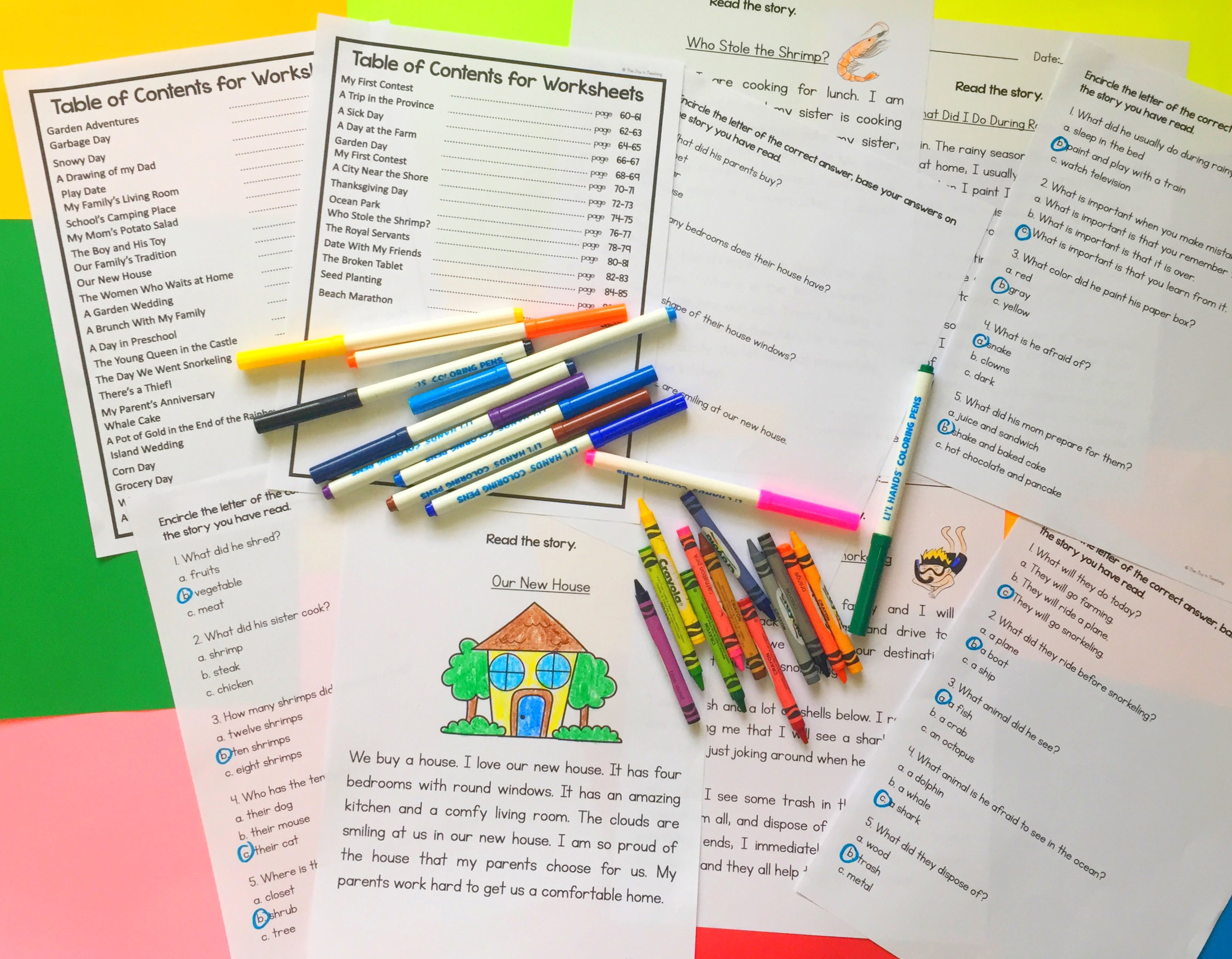
You can also check out my other Reading Comprehension Resources:
Kindergarten Reading Comprehension Passages
First Grade Reading Comprehension Passages
Second Grade Reading Comprehension Passages -these passages are more comprehensive and has a lot more questions than the reading comprehension above
Bonus Tips: How to Help Second Graders Grow as Readers
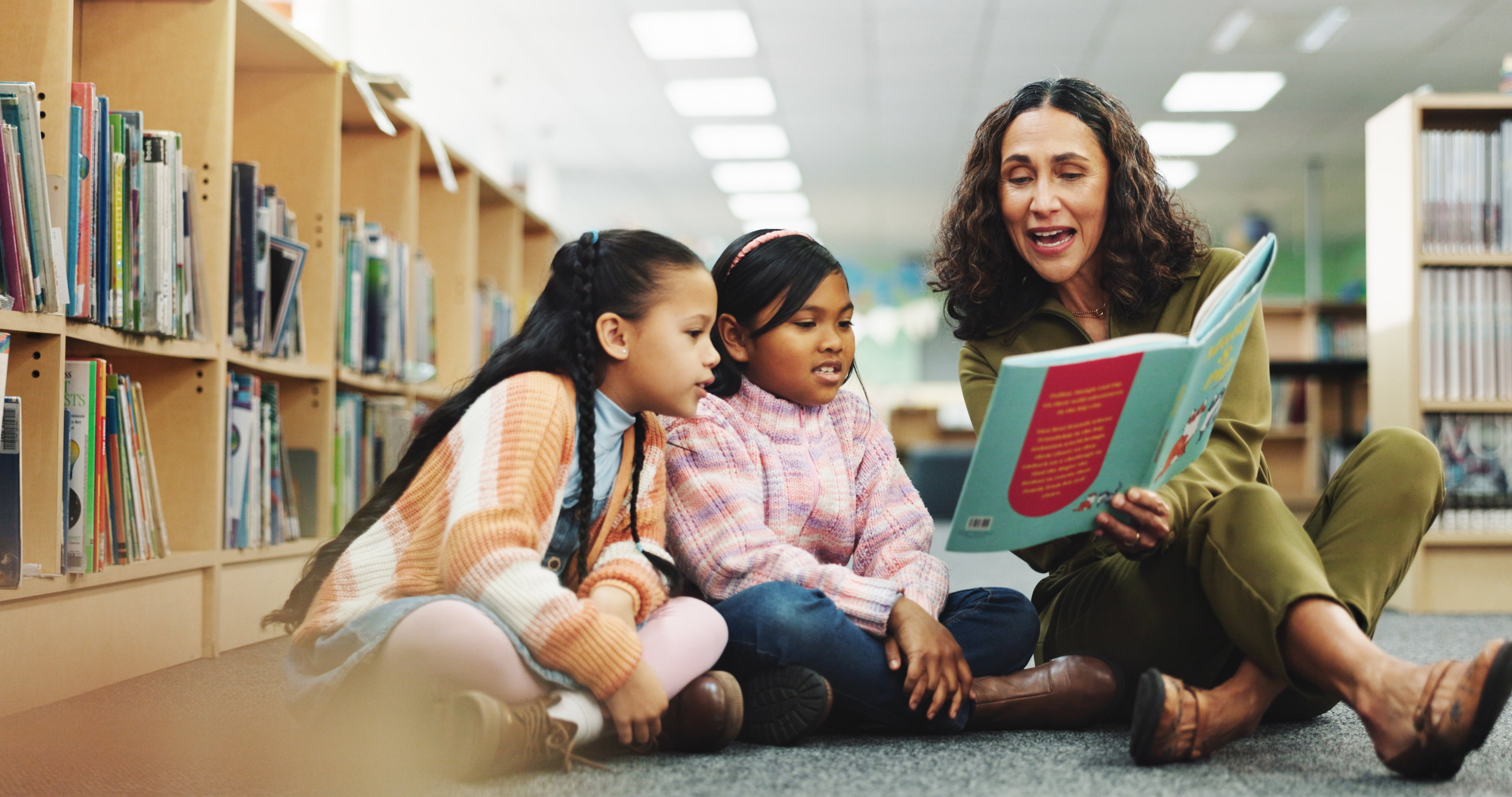
1. Read Aloud Every Day Yes, even second graders love a good story time. Reading aloud models fluent reading and expressive storytelling. Plus, it builds vocabulary and listening comprehension.
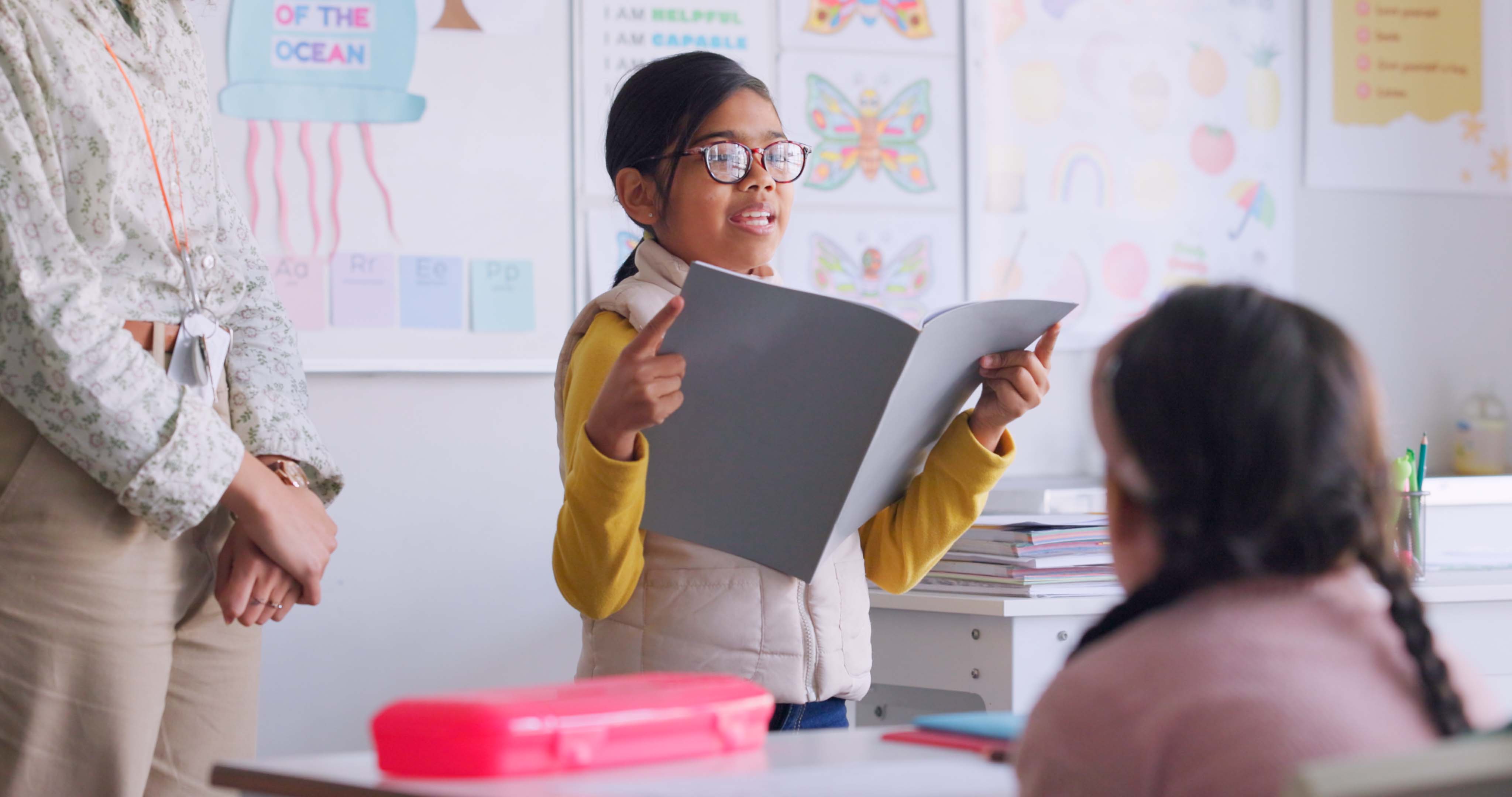
2. Ask Open-Ended Questions During Reading Pause and ask, “What do you think will happen next?” or “Why do you think the character did that?” It keeps kids thinking and makes reading interactive.
3. Encourage Visualization Have students close their eyes and picture the scene. Then ask them to describe what they “see” in their mind.

4. Use Graphic Organizers Simple charts or story maps can help students organize their thoughts about characters, setting, problem, and solution.
5. Incorporate Writing Let kids write short summaries or their own endings to stories. It deepens understanding and reinforces learning.

6. Practice Retelling Whether orally or through drawing, retelling helps kids remember key details and the sequence of events.

Real Talk: It’s Not Always Easy Teaching reading comprehension can sometimes feel like spinning plates while walking a tightrope on a windy day. Some kids will get it quickly; others need extra time. Some passages will fly over heads; others will spark brilliant discussions. That’s okay! Patience and persistence are your secret weapons.
Final Thoughts: You’ve Got This! Teaching reading comprehension to second graders might feel like juggling flaming torches some days. But remember, every question answered, every story understood, and every personal connection made is a huge win—for your students and for you. Using smart, ready-made resources lets you spend more time inspiring and less time stressing. So, grab your coffee, print those passages, and watch your students become confident, thoughtful readers. Because when kids understand what they read, they don’t just learn—they thrive.
If you want to check out the Second Grade Reading Comprehension Passages that make teaching easy and fun, just peek at the link. (No pressure—just lots of smiles and reading success ahead.)
Follow Me for More Teaching Tips with Joy For more tips, resources, and a daily dose of teaching joy, follow me on:
Got questions or want to share your success stories? Drop me an email at thejoyinteaching@gmail.com. I love hearing from fellow educators and parents! Happy Teaching!
Joy Medalla
The Joy in Teaching 💛