How to Teach Repeated Subtraction to Kids: A Fun, Easy, and Engaging Guide
Teaching division can feel challenging when students are still developing their understanding of numbers. One helpful strategy is to connect division to a skill they already know: subtraction. Repeated subtraction gives children a hands-on way to see what division means. Instead of simply memorizing division facts, students can watch a number decrease step by step and discover how many equal groups can be made. The good news? You don't need complicated materials to teach it. With simple examples, everyday objects, and a little creativity, repeated subtraction can become an easy and engaging math activity.
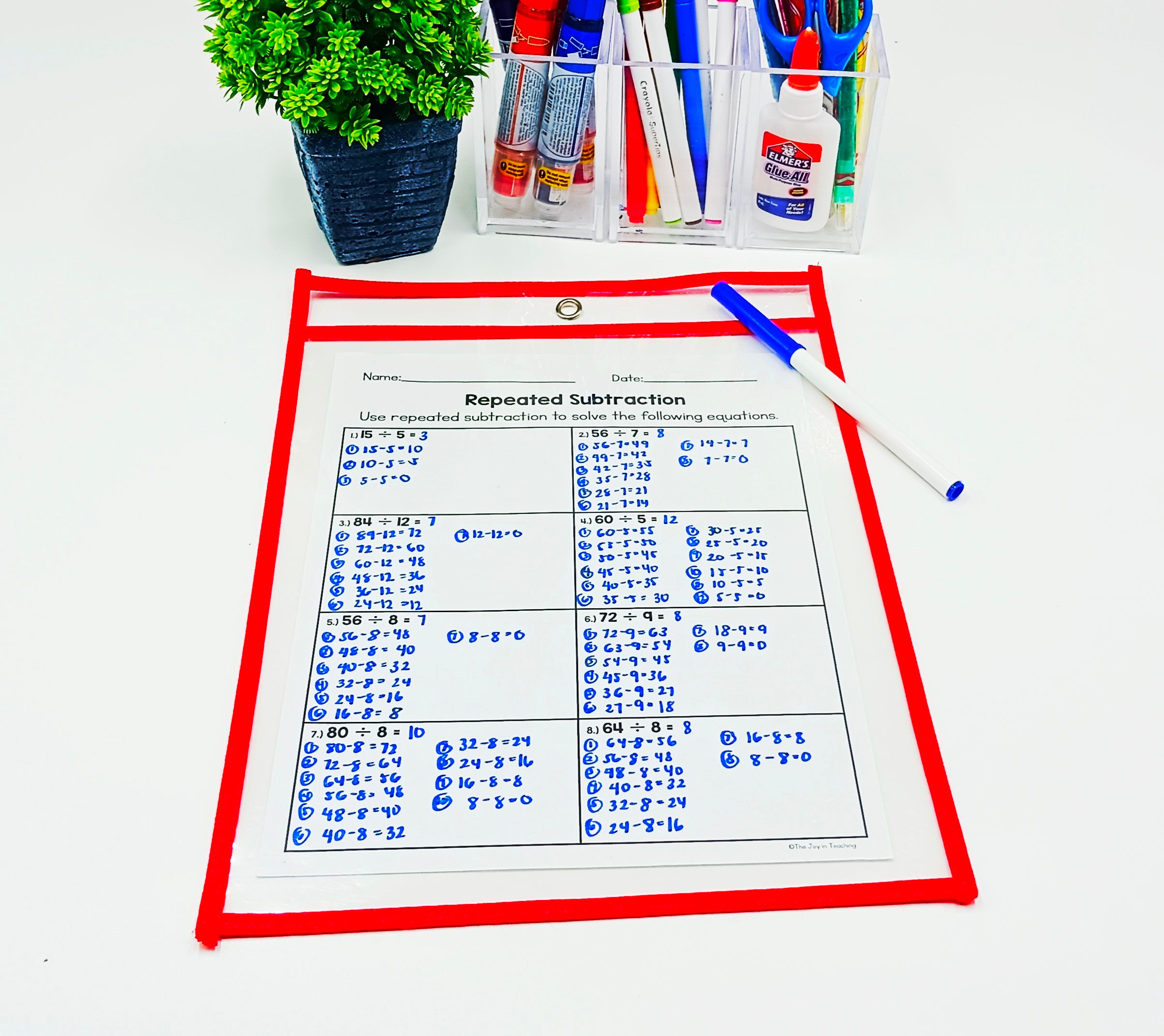
What Is Repeated Subtraction Worksheets?
Repeated subtraction is the process of subtracting the same number over and over until you reach zero or cannot subtract anymore. For example, let's look at: 15 ÷ 3 = ?
Instead of immediately asking students to solve the division problem, start with 15 and repeatedly subtract 3:
- 15 − 3 = 12
- 12 − 3 = 9
- 9 − 3 = 6
- 6 − 3 = 3
- 3 − 3 = 0
How many times did we subtract 3?
5 times!
So: 15 ÷ 3 = 5
This helps students understand that division can represent finding out how many equal groups can be taken away from a number.
Why Teach Division Through Repeated Subtraction?
Repeated subtraction can help make division less abstract for young learners. When students see a problem such as 20 ÷ 4, they may not immediately know what to do. But if you ask them to start with 20 and keep taking away groups of 4, the problem becomes much more concrete. They can see: 20 → 16 → 12 → 8 → 4 → 0
Each subtraction represents one group of 4.
This approach can help students:
- Connect subtraction and division
- Develop number sense
- Understand the meaning of division
- Practice subtraction facts
- Visualize equal groups
- Build confidence before working with division facts
Repeated subtraction shouldn't necessarily replace other methods of teaching division. Instead, it can be a useful strategy for helping students understand why division works.
Start With Manipulatives
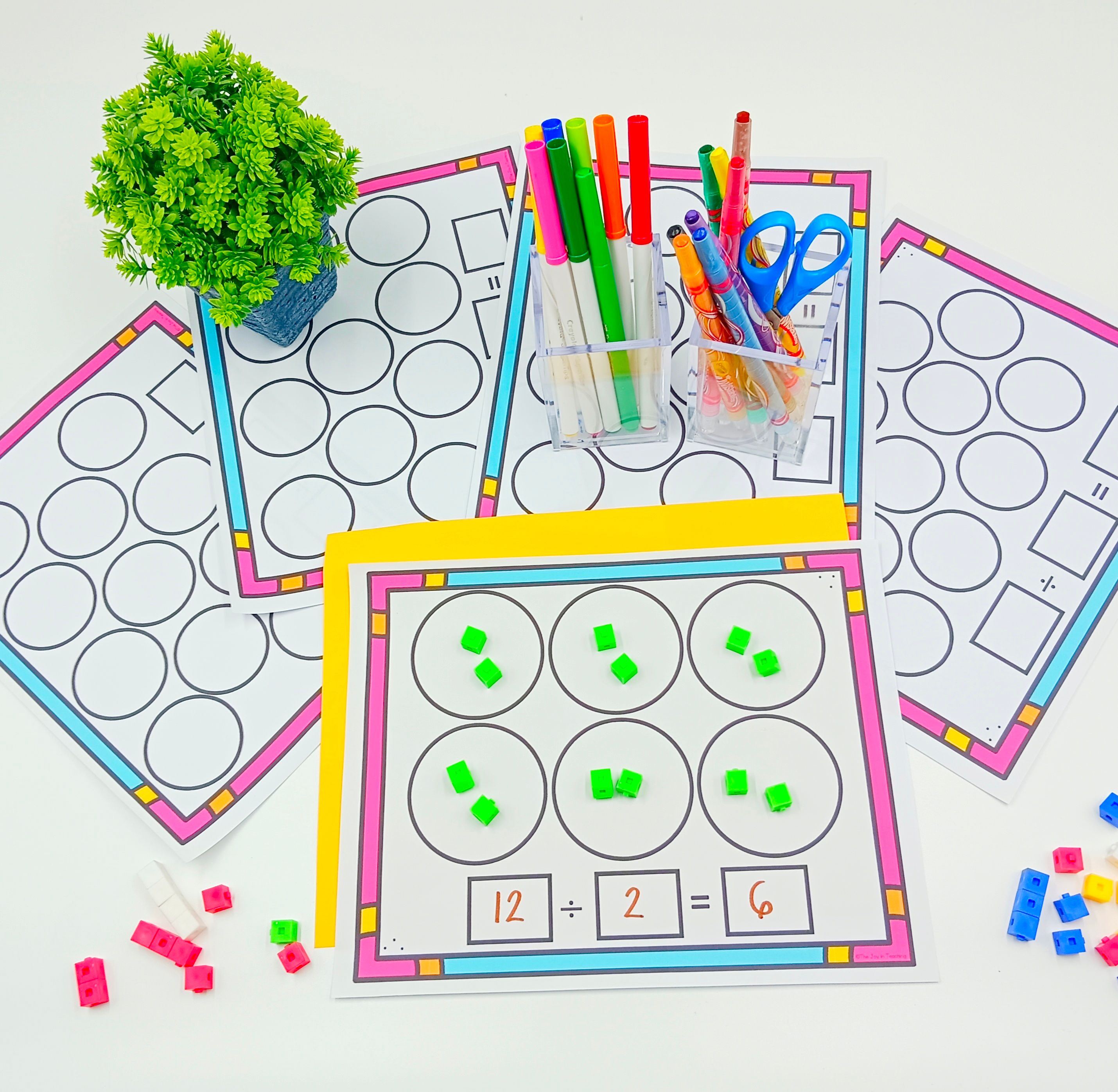
Before moving to worksheets or written equations, give students something they can physically move and count.

You can use:
- Counters
- Blocks
- Buttons
- Small toys
- Linking cubes
- Pencils
- Even pretend pieces of food
For example, give a student 12 counters and say:
"Let's make groups of 3. Take away 3 counters at a time. How many groups can you make?"
Have them physically remove 3 counters:
12 → 9 → 6 → 3 → 0
Then ask: "How many groups of 3 did we take away?"
The answer is 4, so: 12 ÷ 3 = 4
This physical experience can help students understand the idea before they are expected to solve it on paper.
Use a Number Line
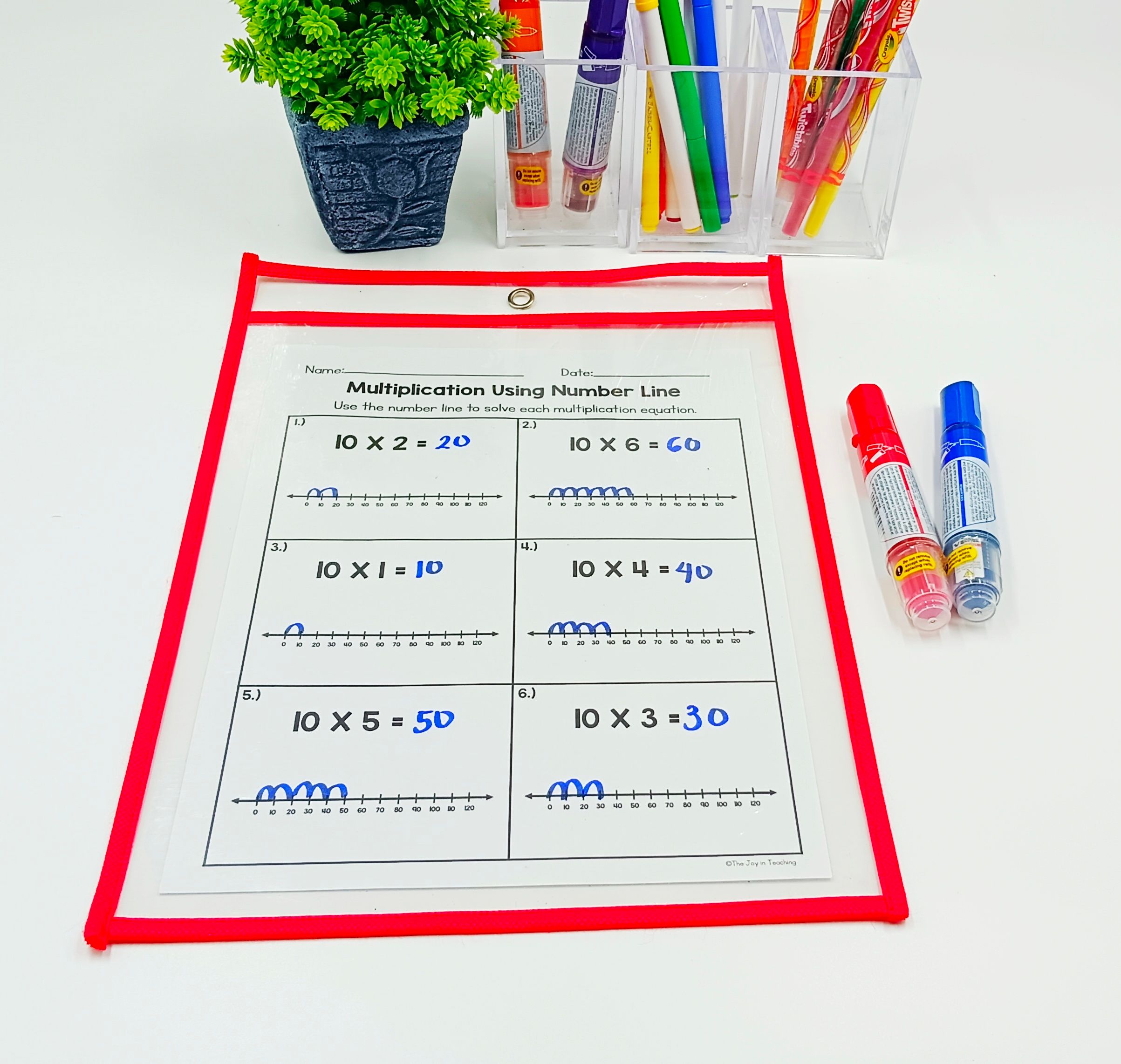
A number line is another simple way to make repeated subtraction visual.
Suppose you're solving:
18 ÷ 3
Start at 18 and make jumps backward by 3:
18 → 15 → 12 → 9 → 6 → 3 → 0
Then count the jumps.
There are 6 jumps, so:
18 ÷ 3 = 6
You can have students draw their own number lines and use arrows to show each subtraction. This is especially helpful for students who benefit from seeing math problems rather than only reading them.
Connect It to Everyday Situations
Math becomes easier to understand when children can connect it to things they already know.
Try using simple scenarios involving sharing or grouping.
Example: Snacks
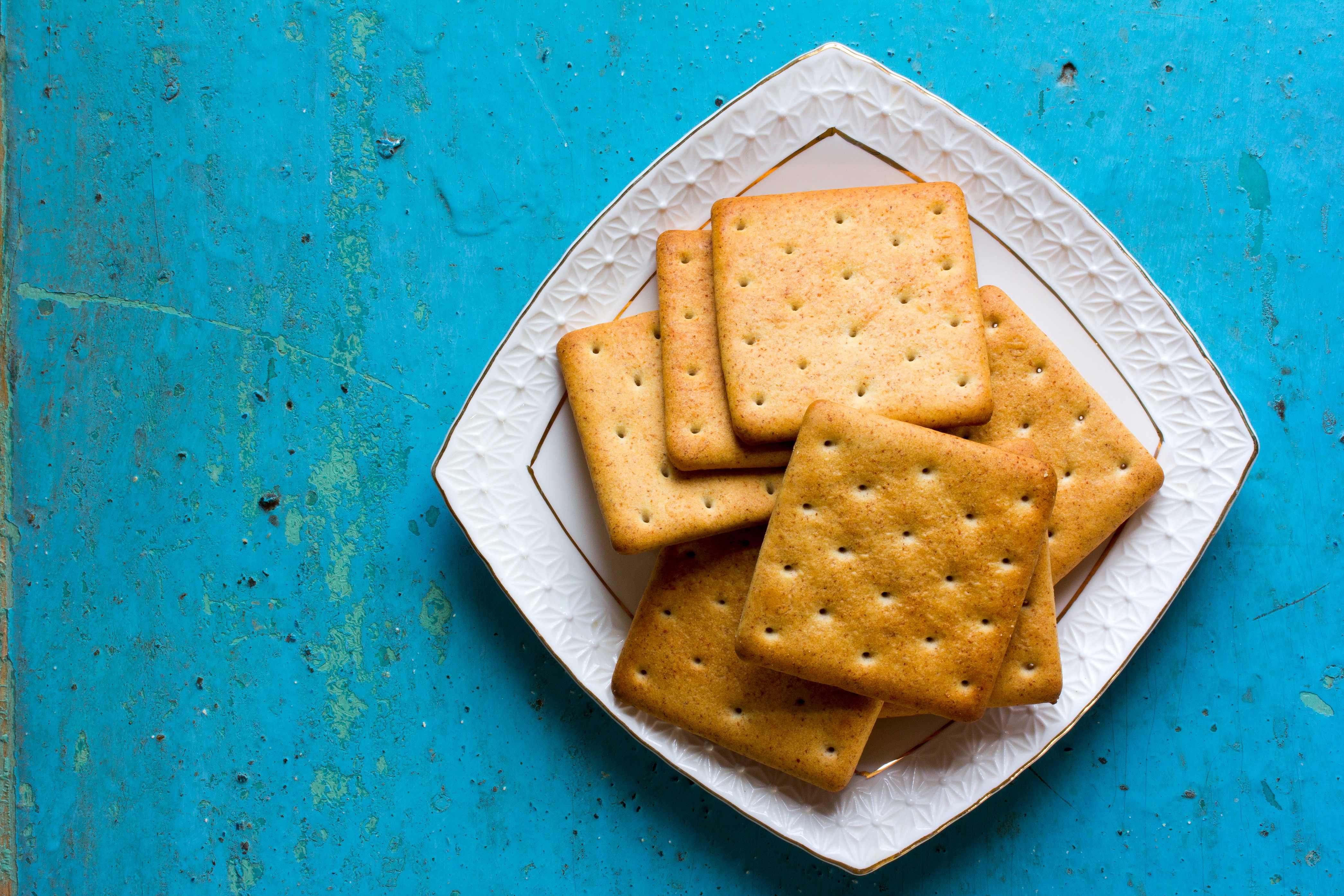
"You have 12 crackers. If you put 3 crackers on each plate, how many plates can you fill?
"Students can repeatedly subtract 3:
12 → 9 → 6 → 3 → 0
They made 4 groups.
12 ÷ 3 = 4
Example: Toys

"You have 20 toy cars. Put 5 cars in each box. How many boxes can you fill?"
20 → 15 → 10 → 5 → 0
That's 4 groups.
20 ÷ 5 = 4
Example: Classroom Supplies

"You have 18 pencils. Put 3 pencils in each container. How many containers can you fill?"
18 → 15 → 12 → 9 → 6 → 3 → 0
That's 6 groups.
18 ÷ 3 = 6
These simple examples help students see that division isn't just something they do on a worksheet. It is something they use when grouping and sharing.
Turn It Into a Game
Once students understand the basic idea, make practice more playful.
Roll and Subtract
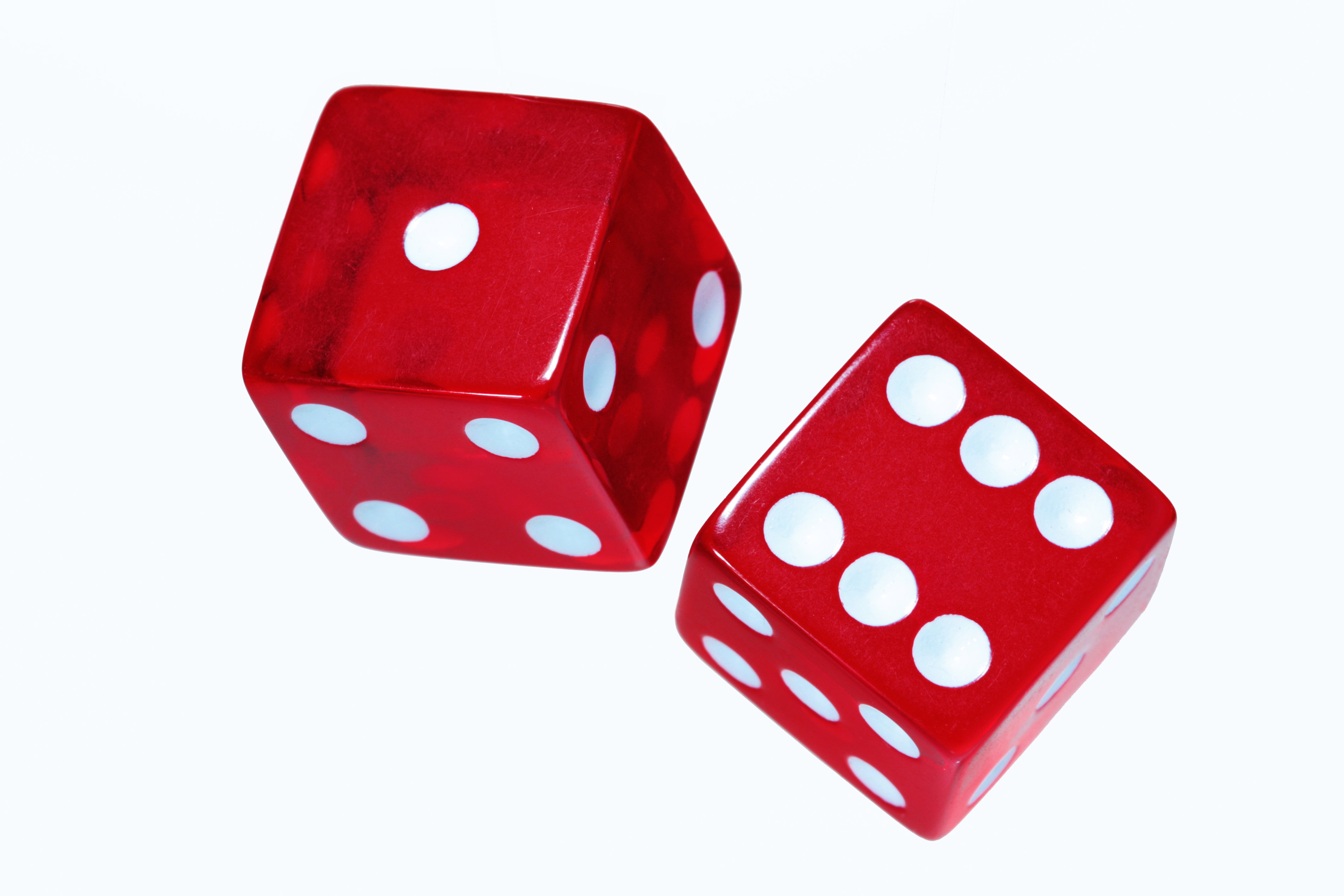
Give each student a die and a starting number.
For example, start with 24.
If a student rolls a 4, they repeatedly subtract 4 and count how many times they can do it before reaching zero.
Subtraction Race
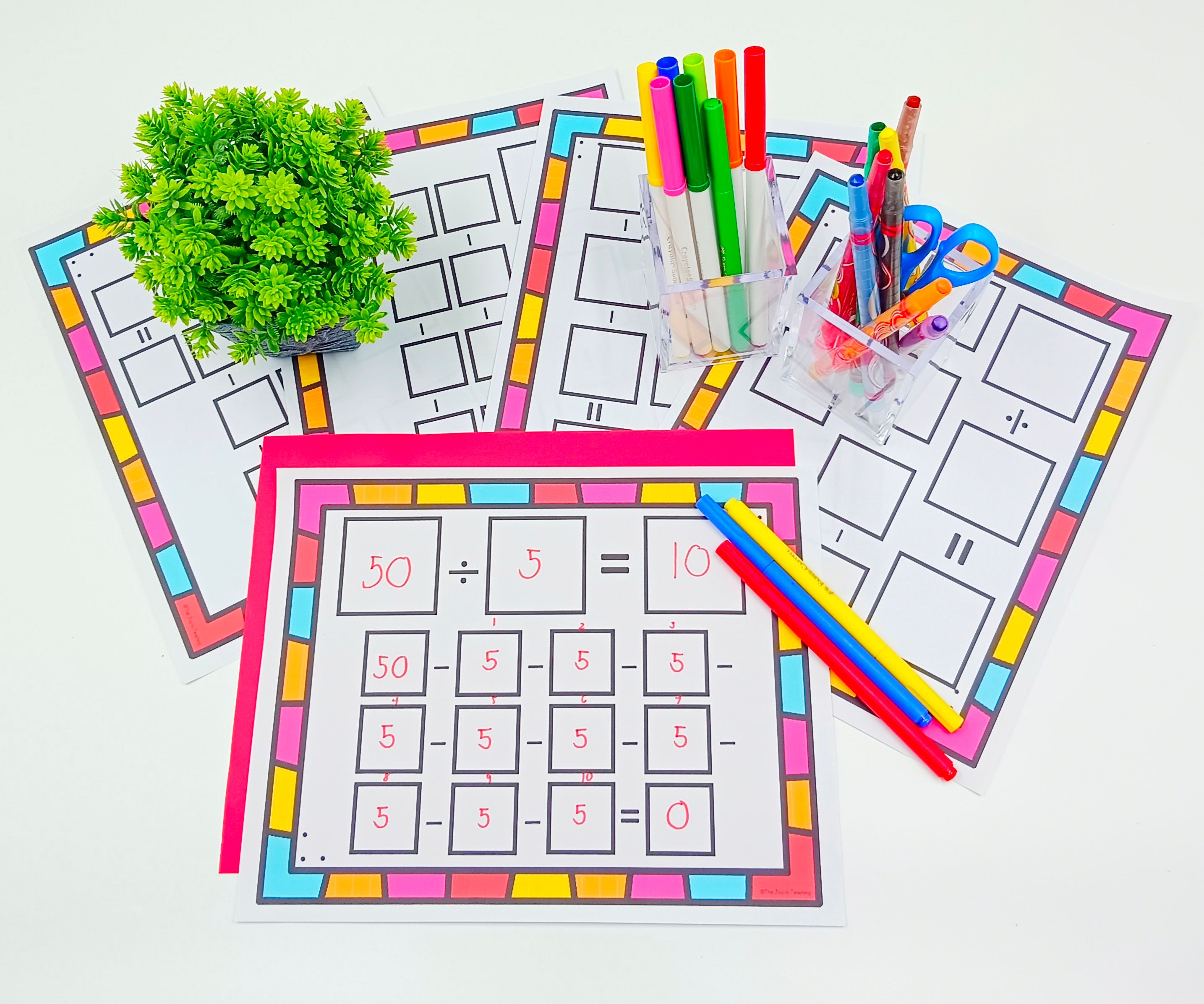
Give students the same starting number and subtraction number.
For example: 30, subtract 5 each time.
Students can race to see how quickly they can correctly record:
30 → 25 → 20 → 15 → 10 → 5 → 0
The winner isn't necessarily the fastest student. The goal is to correctly show each step.
Mystery Number
Give students the number of times a number was subtracted and ask them to figure out the original division problem.
For example:
"I subtracted 4 five times and ended at 0. What number did I start with?"
Students can work backward to discover: 20 ÷ 4 = 5
Encourage Students to Explain Their Thinking
One of the most useful things you can do when teaching repeated subtraction is to ask students to explain how they got their answer.
Instead of only asking: "What's the answer?"
Try asking:
- "What number did you start with?"
- "What number did you subtract each time?"
- "How many times did you subtract?"
- "What does each subtraction represent?"
- "How does this connect to division?"
For example, if a student solves: 24 ÷ 6 = 4
Ask them to explain:
"I started with 24 and subtracted 6 four times. That means I made 4 groups of 6."
This helps students connect the procedure to the meaning behind the math.
Watch for Common Mistakes
Students may make a few predictable mistakes when learning repeated subtraction.
Subtracting Different Numbers
Students need to understand that the same number should be subtracted each time.
For 20 ÷ 4, the subtraction should look like:
20 → 16 → 12 → 8 → 4 → 0
Not: 20 → 15 → 11 → 7 → 0
Remind students that the size of each group stays the same.
Forgetting to Count the Subtractions
Some students may correctly subtract but forget that the number of times they subtracted is the answer to the division problem.
After completing the problem, have them count each subtraction or jump.
Rushing to the Answer
Students who already know some division facts may want to skip the repeated subtraction process. That's okay once they understand the concept, but when introducing the strategy, encourage them to show their thinking. The goal is understanding—not simply getting the answer.
Move From Concrete to Written Practice
A helpful progression is:
Objects → Drawings → Number Lines → Equations → Independent Practice
For example:
- Give students 15 counters.
- Have them remove groups of 3.
- Draw what they did.
- Show the jumps on a number line.
- Write the repeated subtraction equation.
- Connect it to the division equation.
This gradual progression gives students several ways to understand the same mathematical idea.
Keep Practice Short and Consistent
Students don't necessarily need a long math session to practice repeated subtraction. A few problems each day can be more manageable than giving students a large number of problems all at once. You might use repeated subtraction during:
- Math warm-ups
- Small-group instruction
- Math centers
- Independent practice
- Homework
- Review sessions
- Intervention activities
The important thing is to give students opportunities to practice the strategy while continuing to connect it to the meaning of division.
Make Repeated Subtraction Meaningful
The biggest goal isn't for students to memorize a series of subtraction steps. It's for them to understand the relationship:
Division = finding how many equal groups can be made.
Repeated subtraction gives students a way to see those groups.
For example: 15 ÷ 3 = 5 can be understood as:
15 − 3 − 3 − 3 − 3 − 3 = 0
The five subtractions represent the five groups of 3. Once students understand this connection, they have another strategy they can use when working with division.
Need Extra Practice?
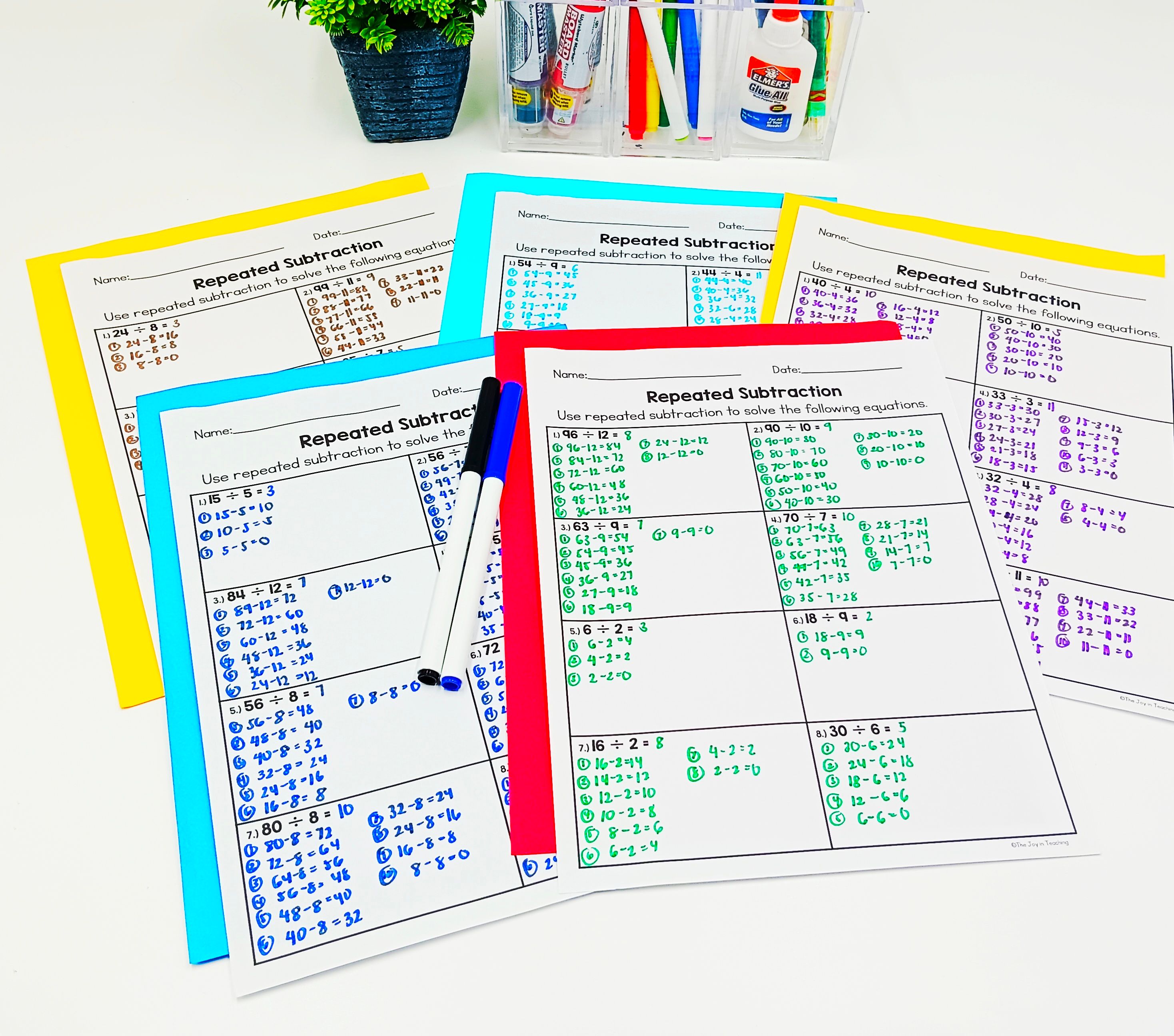
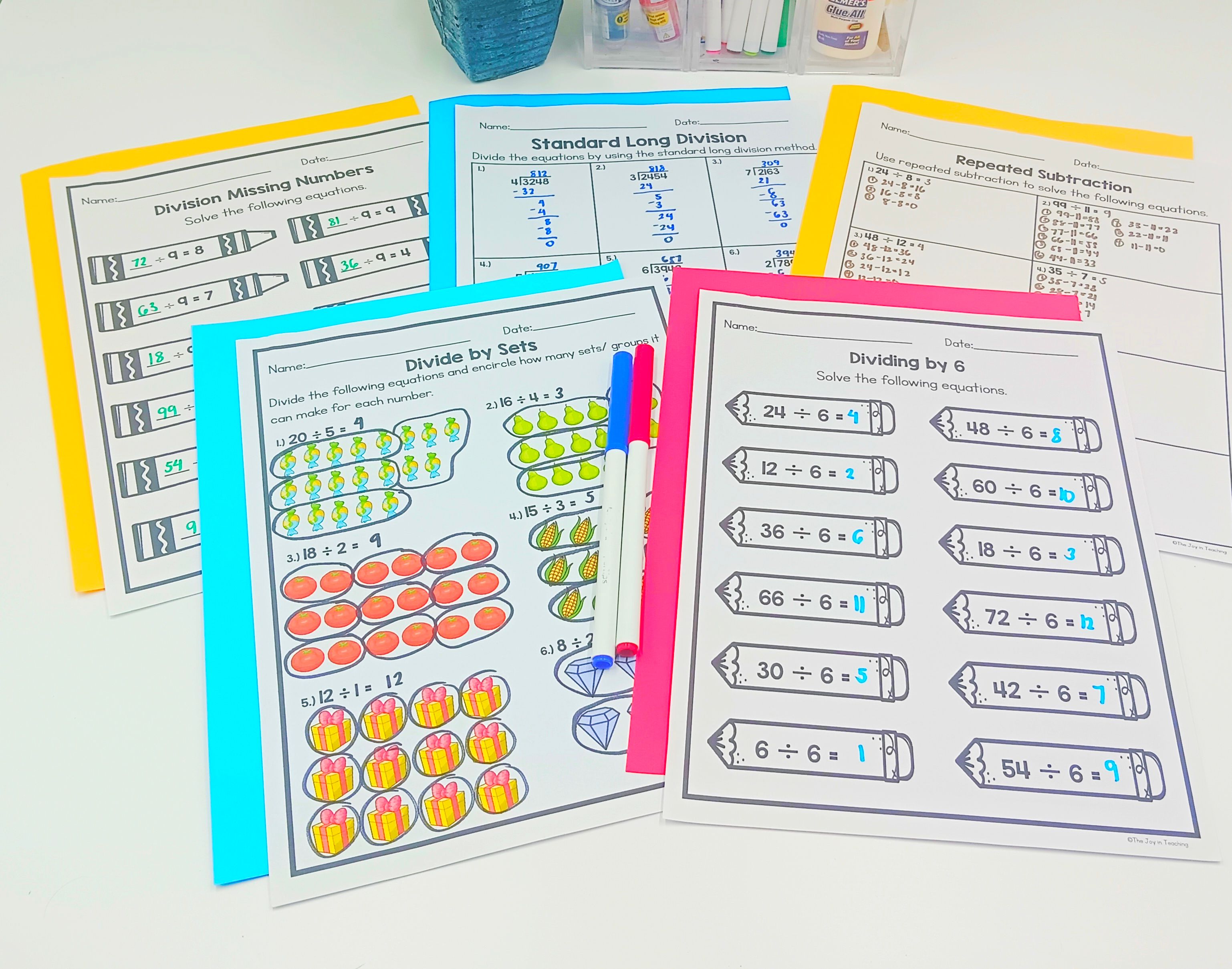
After introducing repeated subtraction with manipulatives, number lines, games, and real-life examples, students may be ready for independent written practice. If you're looking for a simple, no-prep way to reinforce the skill, you can try my Division Using Repeated Subtraction Worksheets. The worksheets give students practice connecting repeated subtraction to division and can be used for independent work, math centers, review, or extra practice. It's a simple resource to have on hand when students need a little more practice putting the concept on paper.
Other Recommended Activities for Division:
Distributive Method of Division Worksheet
Division Missing Numbers Worksheet
Division Worksheet Standard Algorithm "Long Division” Method
Final Thoughts
Repeated subtraction can be a great bridge between subtraction and division. By starting with hands-on activities and gradually moving toward equations, you can help students understand division as more than just a math fact to memorize. Use everyday examples, encourage students to explain their thinking, and give them plenty of opportunities to practice. Most importantly, keep asking the question: "How many equal groups did you make?"
Once students can see the groups, division starts to make a lot more sense. Happy teaching—and happy subtracting! ❤️
Follow Me for More Teaching Tips with Joy For more tips, resources, and a daily dose of teaching joy, follow me on:
Got questions or want to share your success stories? Drop me an email at thejoyinteaching@gmail.com. I love hearing from fellow educators and parents! Happy Teaching!
Joy Medalla