The A to Z of Alphabet Tracing: How to Help Kids Write Letters Like Pros (Without Losing Your Mind)
Teaching young learners how to write their ABCs is one of those moments in education that feels part art, part science, and—let’s be honest—a bit of a circus act. But don’t worry! Alphabet tracing is a proven way to help kids gain the fine motor skills, letter recognition, and confidence they need to become writing wizards. Whether you’re a teacher looking for fresh ideas or a parent wanting to support your child’s literacy journey, this guide is for you. Let’s jump into the wonderful world of alphabet tracing and how you can make it a fun, easy, and effective learning experience.
Why Alphabet Tracing is a Big Deal Before you roll your eyes and say, “Tracing? Isn’t that just boring copying?”—hold on. Tracing is actually a powerhouse activity in early literacy development.

Here’s why:
- Muscle Memory Magic: Tracing letters helps children develop fine motor control and muscle memory. This means their hands learn the exact movements needed to form each letter. It’s like teaching their fingers a secret handshake.
- Letter Recognition Reinforcement: As kids trace, they’re not just practicing writing—they’re seeing the shape of the letter repeatedly, strengthening their recognition and familiarity.
- Confidence Booster: Successfully tracing letters helps kids feel accomplished, which is a huge motivator for practicing more.
- Prepares for Free Writing: Tracing is a stepping stone to writing letters independently. The smoother their tracing skills, the easier freehand writing becomes.
Tips for Teaching Alphabet Tracing Effectively
Here are some practical, friendly strategies to make alphabet tracing a hit in your classroom or home:
1. Start with Proper Pencil Grip Sounds basic, right? But many kids hold their pencils like they’re wielding a tiny baseball bat. Encourage a tripod grip—the classic way to hold a pencil with thumb, index, and middle fingers. Try fun grip aids or squishy pencil toppers if needed.

2. Introduce Letter Formation with Fun Movements Before even touching a pencil, get kids moving! Have them trace letters in the air, on a table, or even on a friend’s back with their finger. Use silly phrases like “around the apple and down the leaf” for the letter “a” or “down the snake and flick its tail” for “s.” Movement builds muscle memory and makes the letters memorable.

3. Use Multi-Sensory Tracing Tools Let kids explore letters with different textures and tools:
- Trace letters in sand or salt trays.
- Use finger paint to “write” letters.
- Try tracing on textured surfaces like bumpy letters or sandpaper cutouts.

This multi-sensory approach caters to different learning styles and keeps things interesting.
4. Break it Down: Uppercase First, Then Lowercase Many kids find uppercase letters easier to write because they’re simpler shapes. Start with uppercase, then move to lowercase. Show how some letters look very different between cases (like “A” and “a”) and others are similar (like “Cc”).
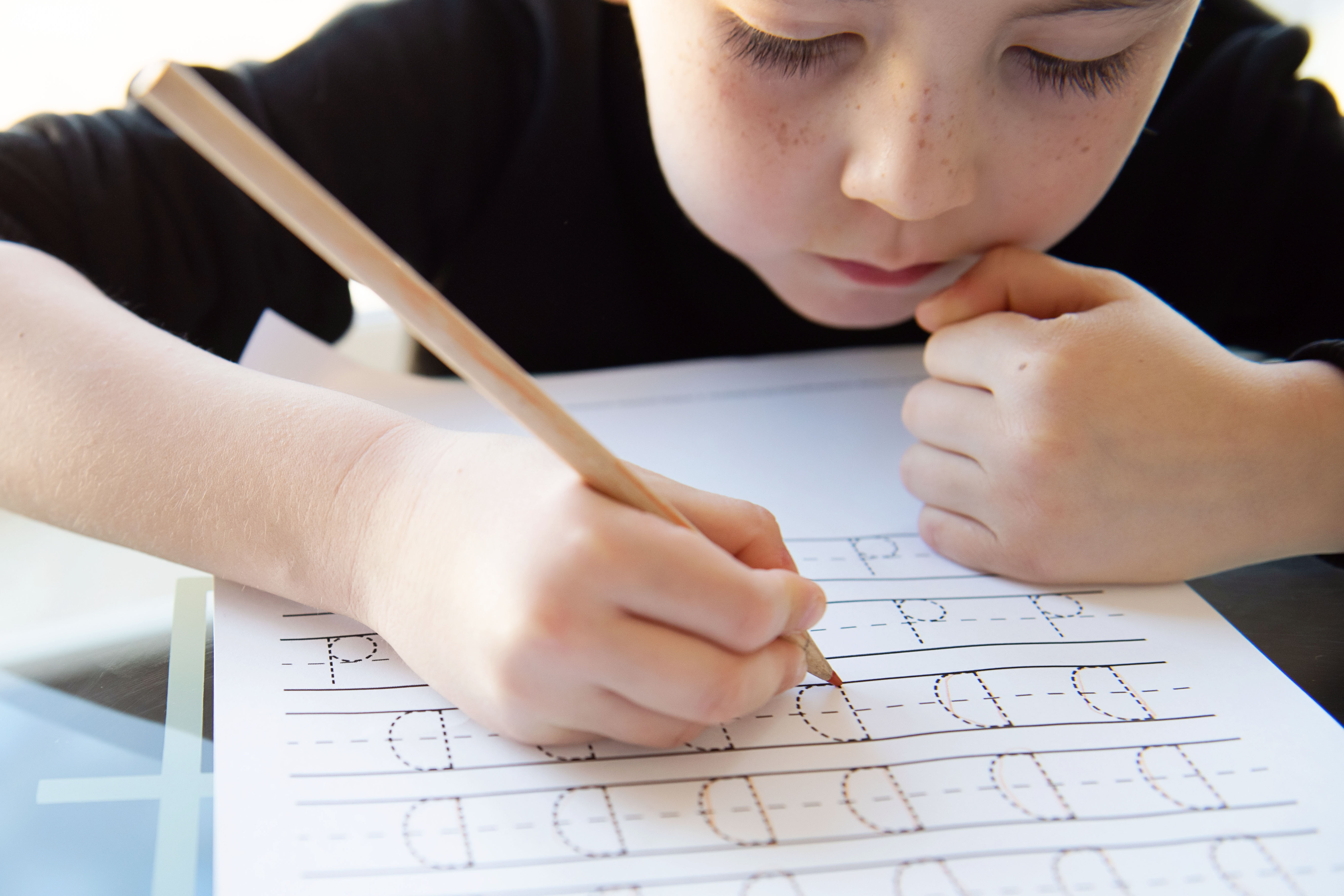
5. Keep Sessions Short and Sweet Little learners have limited attention spans. Ten to fifteen minutes of focused tracing is plenty. Make it daily or every other day, but keep it consistent.
6. Celebrate Every Success Whether a letter looks like a perfect “C” or a creative squiggle, praise effort generously. Positive reinforcement helps kids stay motivated and excited to learn more.
7. Provide Clear and Consistent Models Always show kids a clear, neat example of the letter they’re tracing. Use bold, dashed, or highlighted lines that guide their pencil path. This visual support is crucial.
Common Challenges & How to Handle Them Teaching kids to write isn’t always smooth sailing. Here are some common bumps and how to smooth them out:
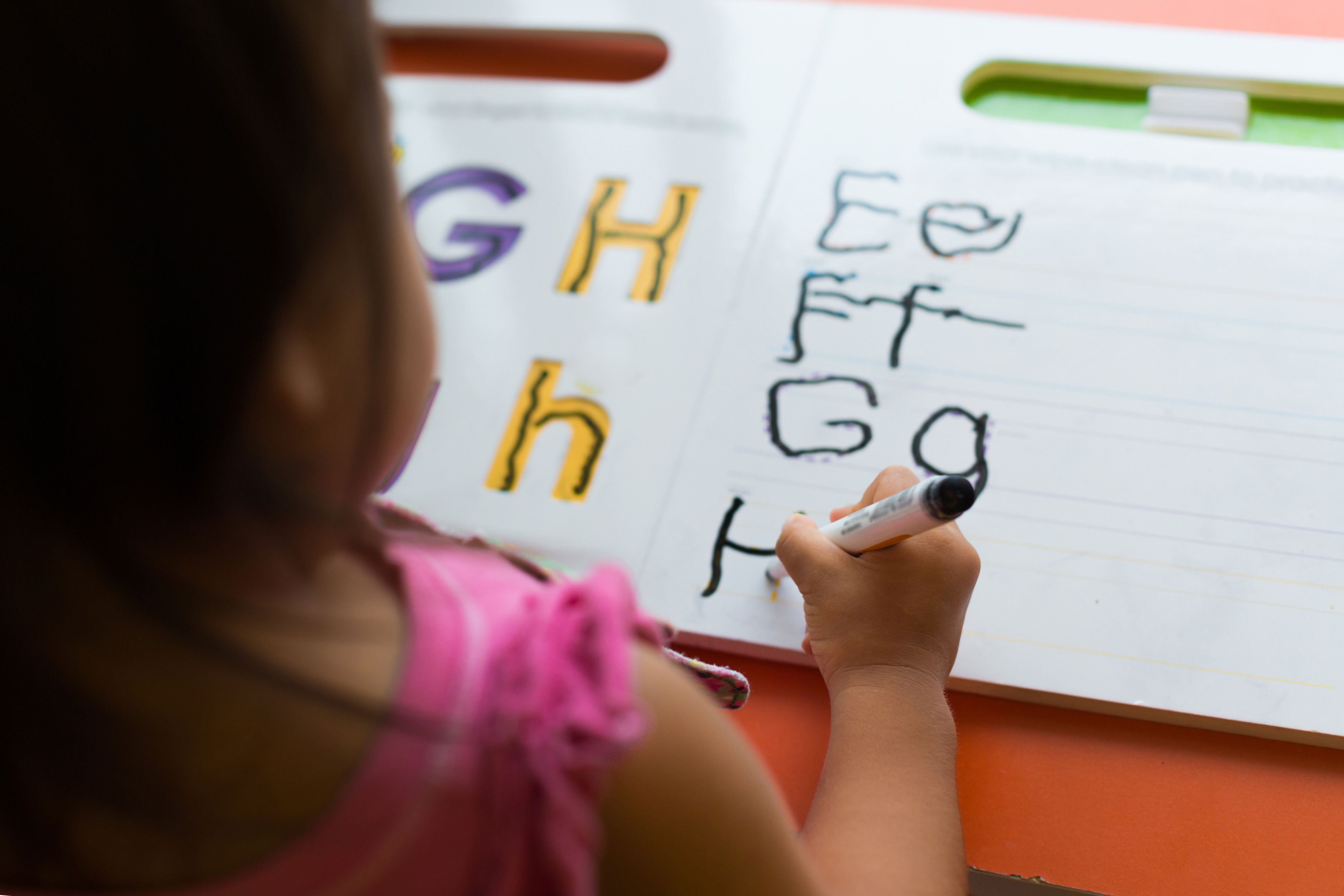
- Frustration Over Mistakes: Kids often get discouraged when their letters don’t look right. Remind them it’s practice, not perfection, and mistakes are how we learn.
- Pencil Fatigue: Some kids get tired or complain their hand hurts. Shorten tracing time or try thicker pencils which are easier to hold.
- Difficulty with Directionality: Letters like “b” and “d” or “p” and “q” confuse many learners. Use rhymes (“b starts with a bat and ball, d starts with a drum”) or tactile activities to reinforce direction.
How to Integrate Alphabet Tracing into Your Routine
Make It Part of a Literacy Center Set up a station with tracing sheets, pencils, crayons, and maybe some fun erasers or stickers. Kids can rotate through this center for independent practice while you work with small groups.
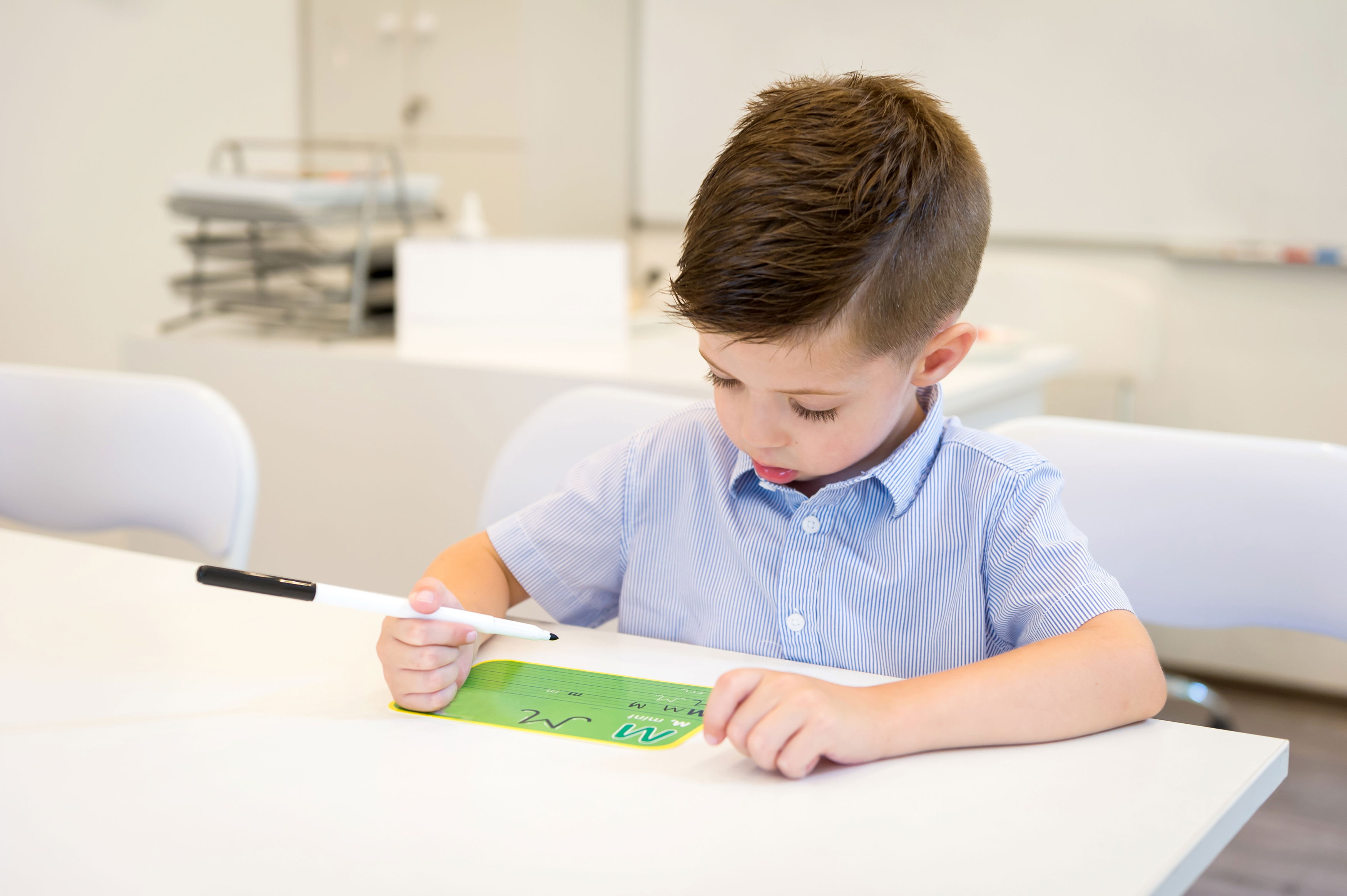
Use It as Morning Warm-Up Start the day with 5–10 minutes of tracing to get young brains and hands warmed up and focused.
Send Home for Extra Practice Give families simple tracing packets they can do together. It builds a connection between school and home and lets parents see their child’s progress.
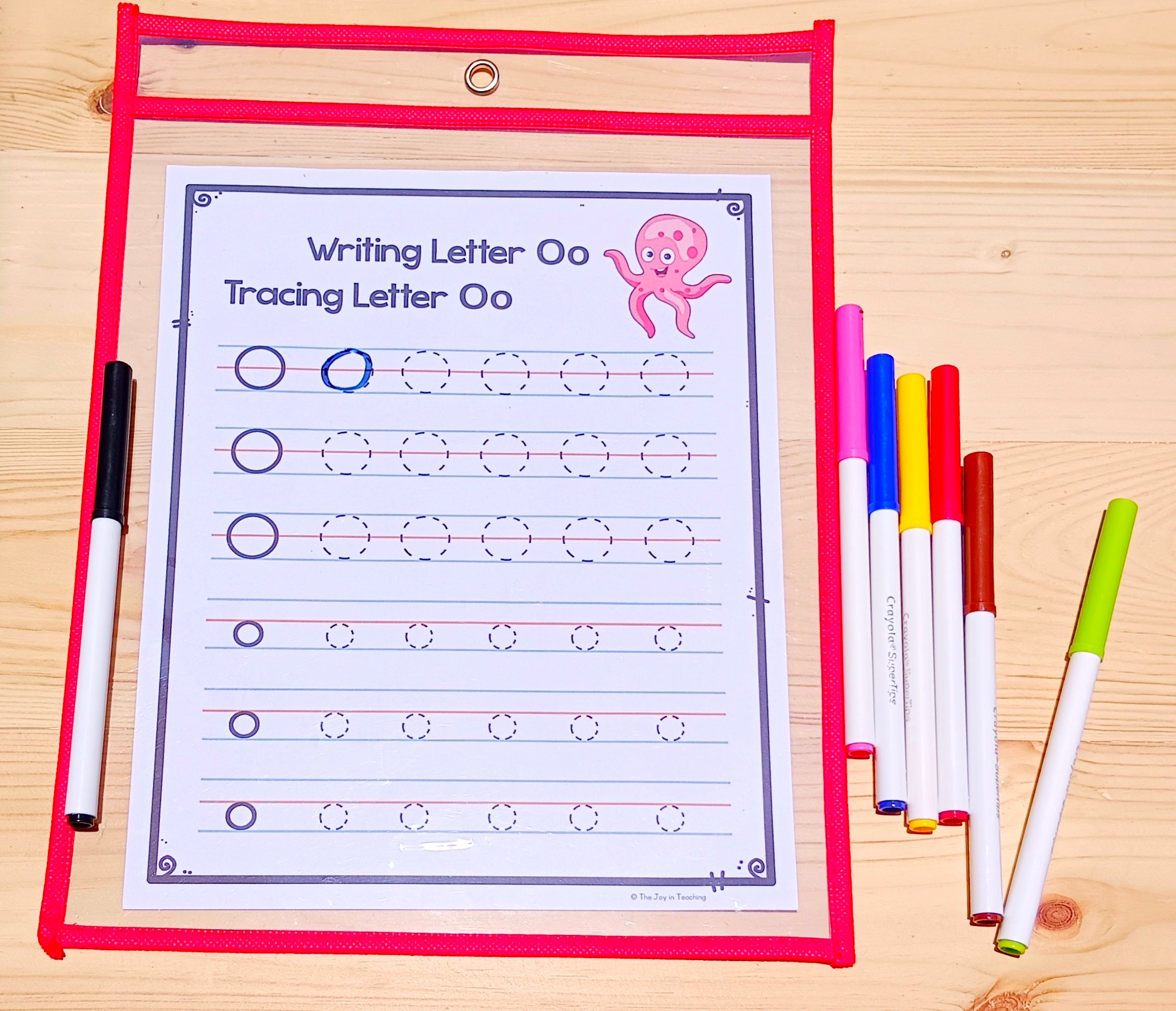
Combine with Alphabet Songs and Stories Pair tracing with songs or stories about letters for a rich, multi-sensory learning experience.

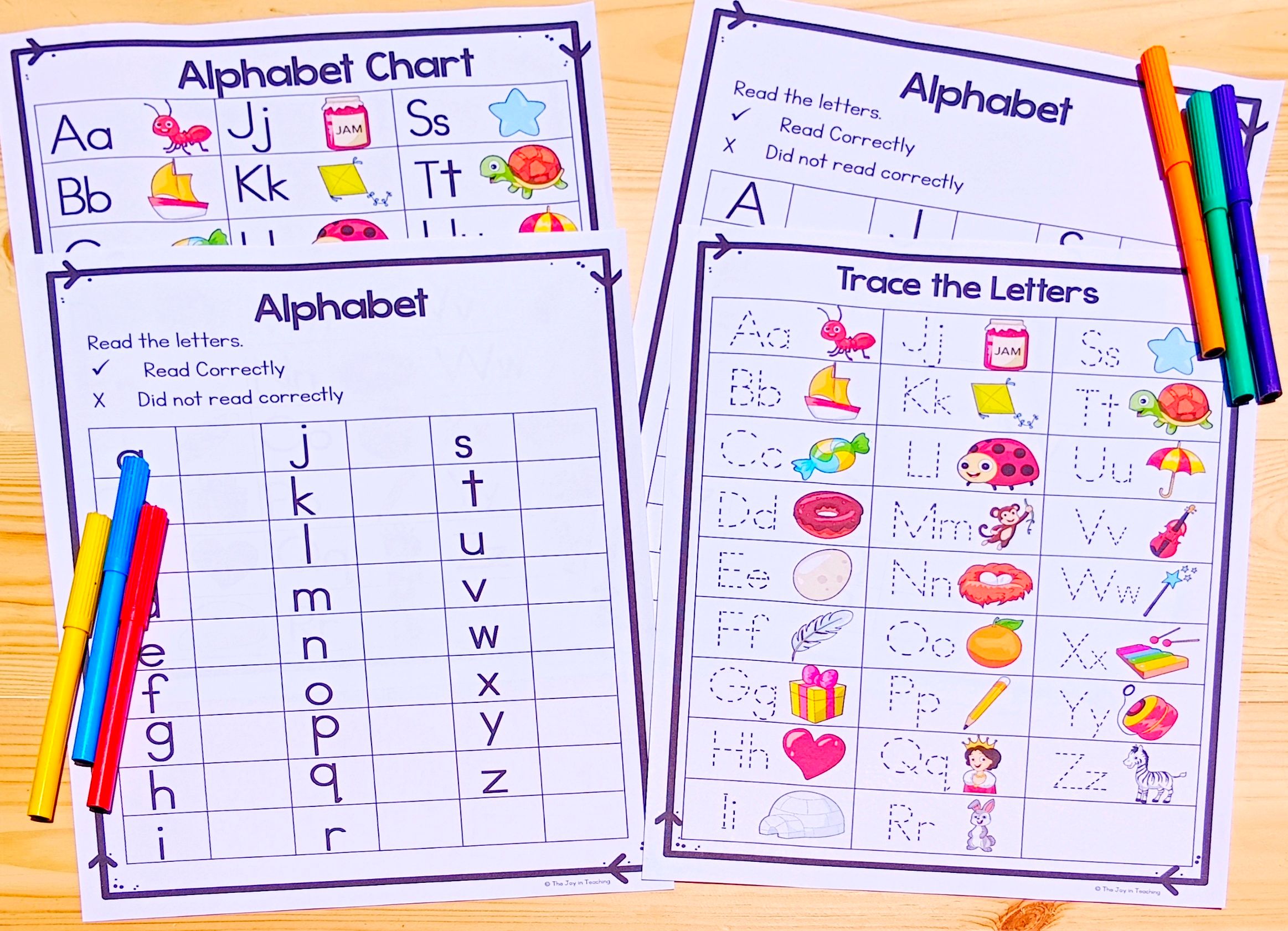
The Power of Visuals: Alphabet Charts and Clip Art Having a visual reference is golden. Alphabet charts help kids associate letters with pictures, like “A is for Apple” or “C is for Cat.” Adding clip art on tracing sheets means kids can connect the letter shape to familiar words, enhancing memory and enjoyment.
A Little Humor Break:
When Letters Go Rogue Ever notice how kids’ first attempts at letters look like ancient hieroglyphs or abstract art? Don’t worry—that’s part of the charm! Just imagine the letter “S” as a friendly snake or “M” as two mountains. Making it playful takes the pressure off everyone.

Wrapping It Up: Alphabet Tracing is Your Friend Alphabet tracing is more than just repetitive copying—it’s a foundational skill that builds confident readers and writers. With patience, creativity, and a little humor, you can turn tracing from a chore into a cherished learning time. If you’re looking for a helpful tool to get started, I have a FREE Alphabet Tracing Worksheet pack that includes an alphabet chart and fun clip art on each page to make tracing even more engaging. It’s perfect for practice, homework, or take-home packets. Just print, hand it out, and watch those letters come to life!
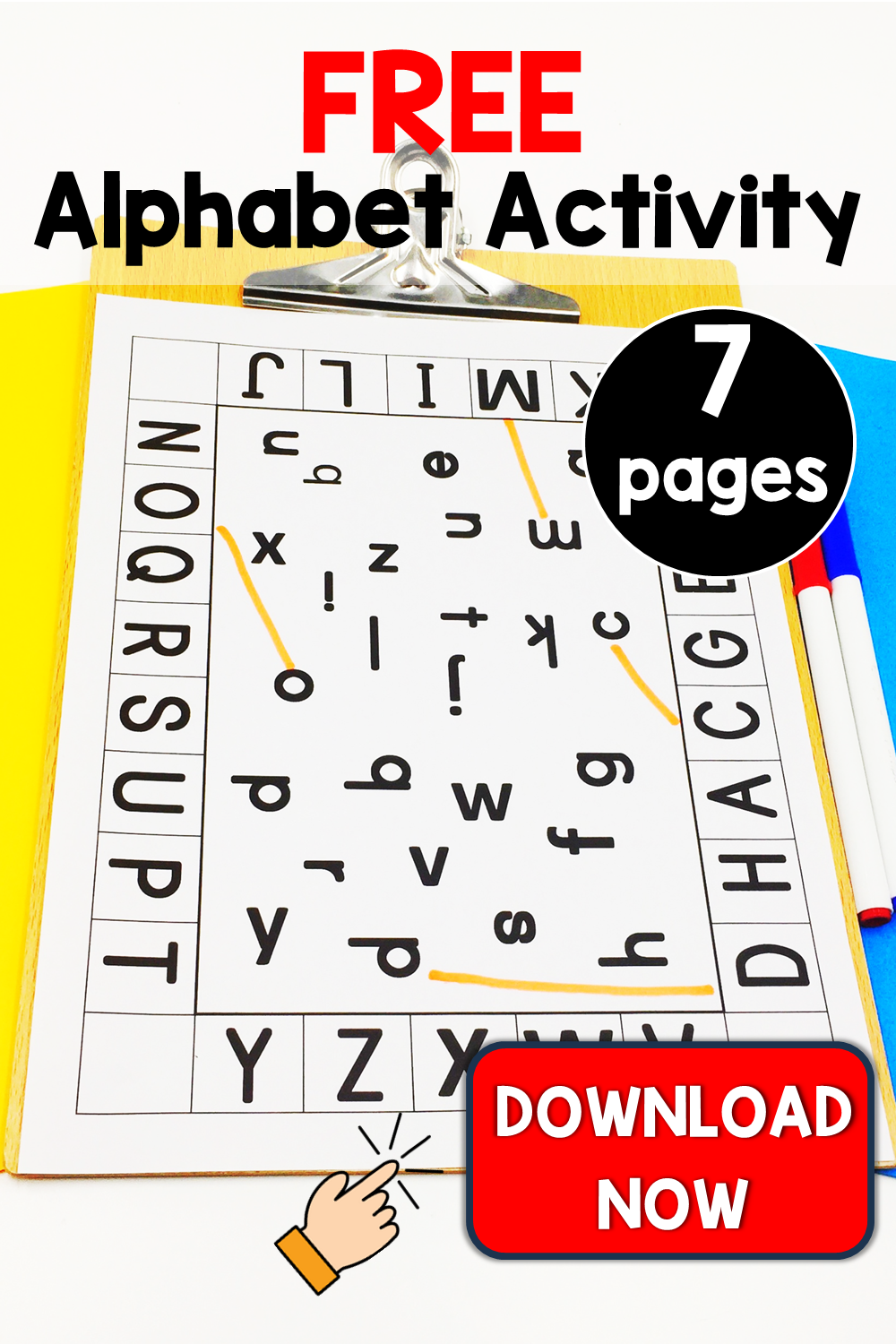
You can also check this free alphabet activity as well
Summary of Benefits:
- Builds fine motor skills and muscle memory
- Reinforces letter recognition and sounds
- Boosts confidence and motivation
- Supports handwriting readiness and fluency
- Easy to integrate into daily routines
Here’s to many happy tracing adventures ahead!
Follow Me for More Teaching Tips with Joy For more tips, resources, and a daily dose of teaching joy, follow me on:
Got questions or want to share your success stories? Drop me an email at thejoyinteaching@gmail.com. I love hearing from fellow educators and parents! Happy Teaching!
Joy Medalla
The Joy in Teaching 💛