How to Implement Literacy Centers Without Losing Your Sanity (Or Your Dry Erase Markers)
Let’s be honest: teaching early literacy can sometimes feel like you’re herding cats while juggling glue sticks and phonics flashcards. But fear not, fellow teacher warrior — literacy centers are here to save the day, and no, they don’t have to be chaotic! If you’ve ever wished your classroom could run smoother, with kids actually engaged in learning instead of seeing who can stick more stickers on their forehead, literacy centers are the game-changer you’ve been waiting for. So grab your favorite teacher beverage (we won’t judge if it’s coffee in a glittery “World’s Okayest Teacher” mug), and let’s dive into how to set up literacy centers that are functional, fun, and yes — even a little fabulous.
💡 What Are Literacy Centers, Anyway? Imagine pockets of your classroom dedicated to targeted reading practice — and you’re not the one doing all the work. Sounds magical, right? That’s because it kind of is. Literacy centers are small, purposeful stations where students rotate through activities that build key reading skills while you lead small groups or assess students. Win-win. They offer:
- ✏️ Independent or partner practice
- 📚 Differentiated instruction
- ⏳ Time for you to pull guided reading groups
- 🧠 Active learning through play, discovery, and hands-on work
And here’s the best part — once you’ve set them up, they run themselves (almost). Like tiny literacy machines powered by excited 5-year-olds.
🛠️ Step 1: Start With a Plan (And Maybe a Cupcake for Motivation) Before you rush to the copier to print 87 worksheets, breathe. Let’s build your centers the smart way. Ask yourself:
- How many centers will you have? (3–5 is ideal)
- How will students rotate? (Timers? Bell? Musical chairs?)
- Will students work independently, in pairs, or in groups?
- How will you introduce and model the expectations?
Pro tip: Model everything. Like… even how to hold the pencil. Trust us. Future You will thank Past You.
🧩 Step 2: Stock Your Literacy Centers With Engaging Activities (Not Just Busy Work) Here’s where the fun starts! You don’t want centers that make students yawn — you want them saying, “Can we do that again tomorrow?”
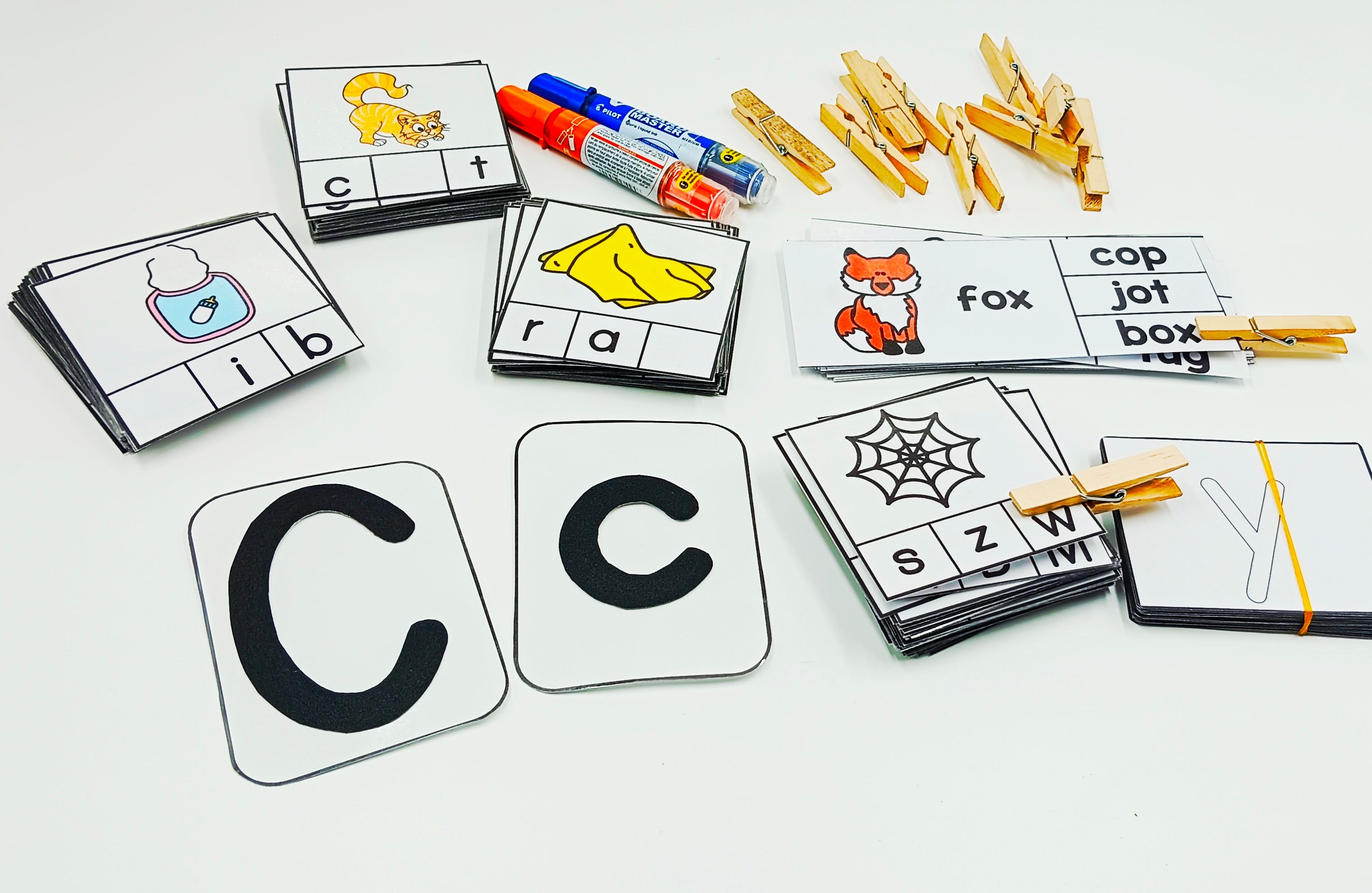
🧠 What phonics skills you want to cover:
- Alphabet – Recognize letters and letter sounds (A is for apple, not alligator. Unless your classroom is wild.)
- CVC Words – Consonant-Vowel-Consonant decoding like cat, dog, and sun.
- CVCE Words – The magic e that makes words like cap turn into cape. Ta-da!
- R-Controlled Vowels – Those tricky bossy R words like car, bird, and fork.
- Beginning Blends – Like bl, cl, sl, fl — aka consonants that play well together.
- Ending Blends – Like nd, st, mp. Not to be confused with the sound a boot makes in mud.
- Digraphs – Two letters, one sound. Shhh… it’s a secret (sh, ch, th, etc.).
- Trigraphs – Three letters, one sound. (Think tch as in watch.)
- Diphthongs – Those weird sound combinations like oi in boil or ou in cloud.
- Long Vowels – A, E, I, O, U saying their own names (finally!).
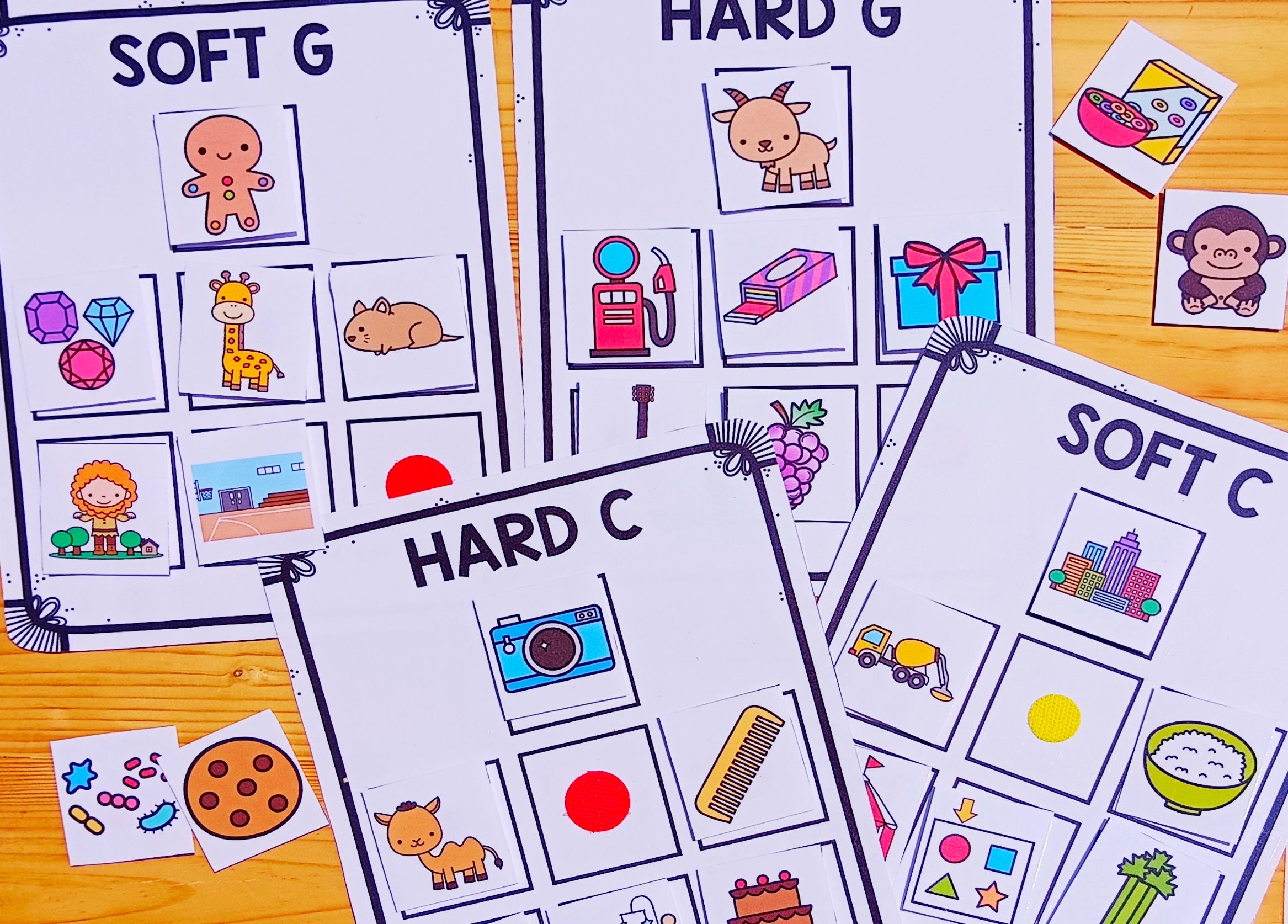
- Soft & Hard C and G – Because cat and cent should not start with the same letter, but they do.
📦 Activities You’ll Love Using in Your Literacy Centers
1. Beginning Sounds Task Cards Great for little learners who are just starting their phonics journey.
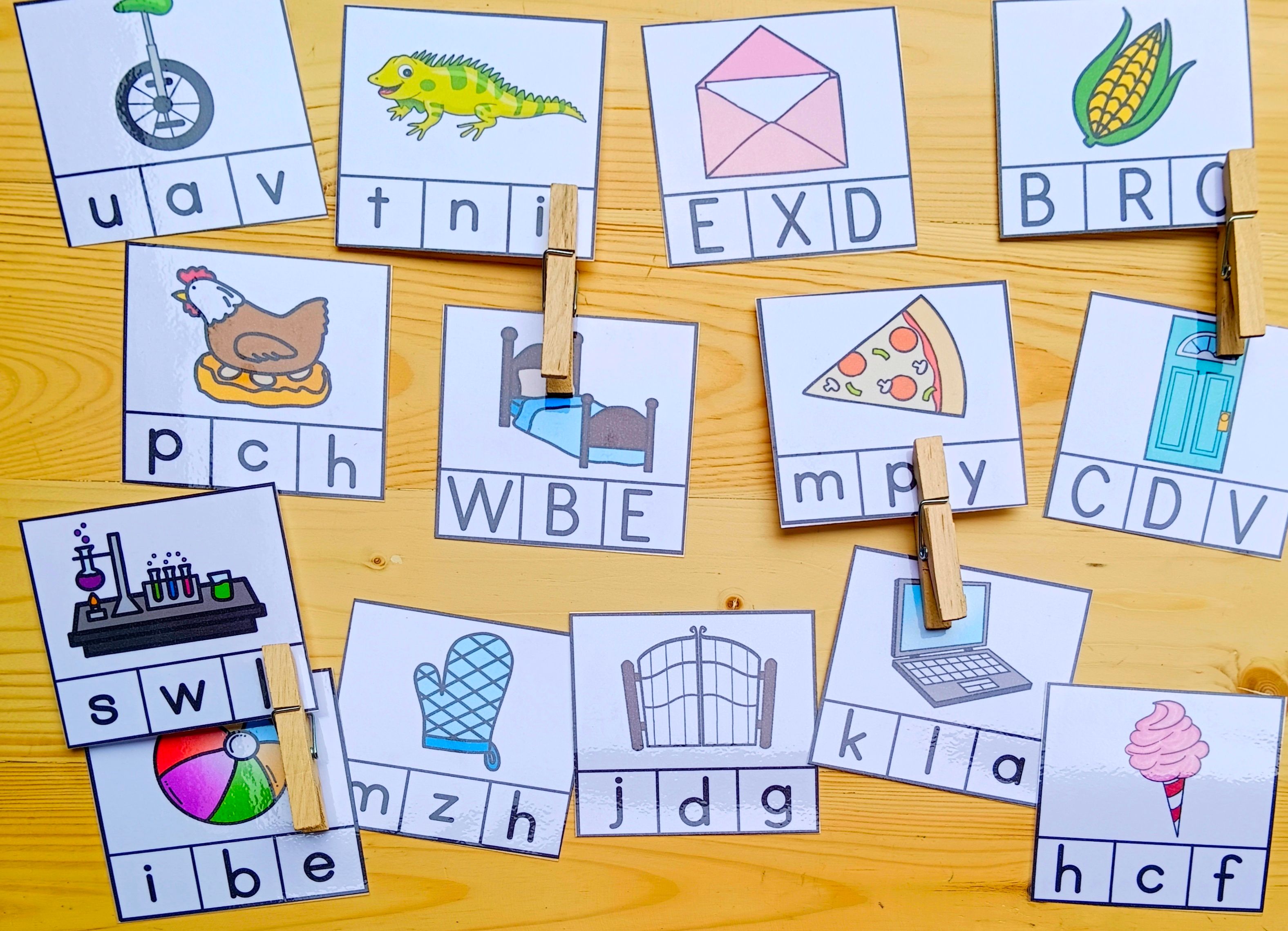
2.Beginning, Middle and End Sounds CVC Task Cards The triple-threat of phonics! Sort, read, and build CVC words by identifying each sound position.
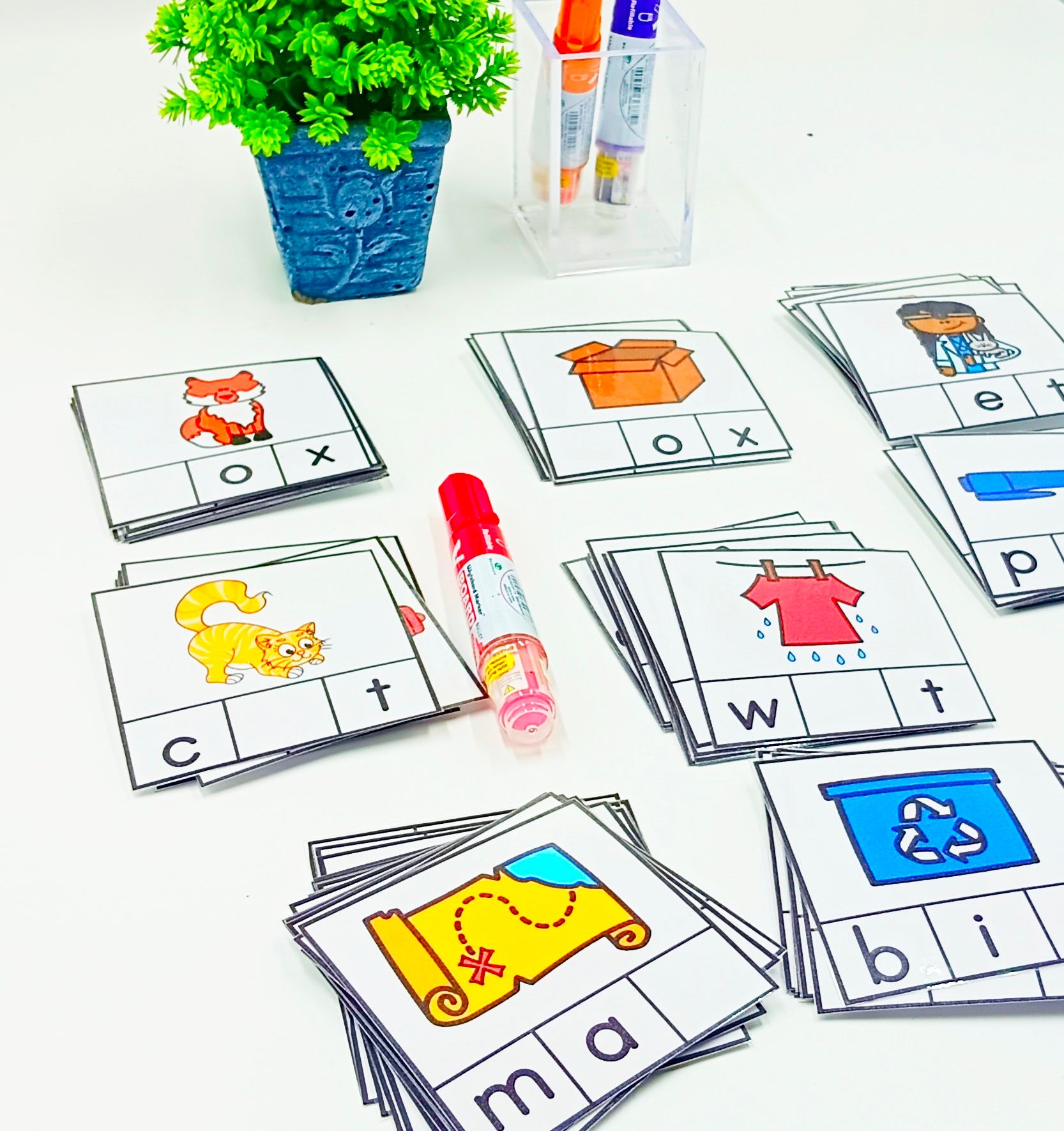
3. CVC Word Builder Activity Because what’s more fun than building words like LEGOs — but with letters? Students manipulate cards to form real words.
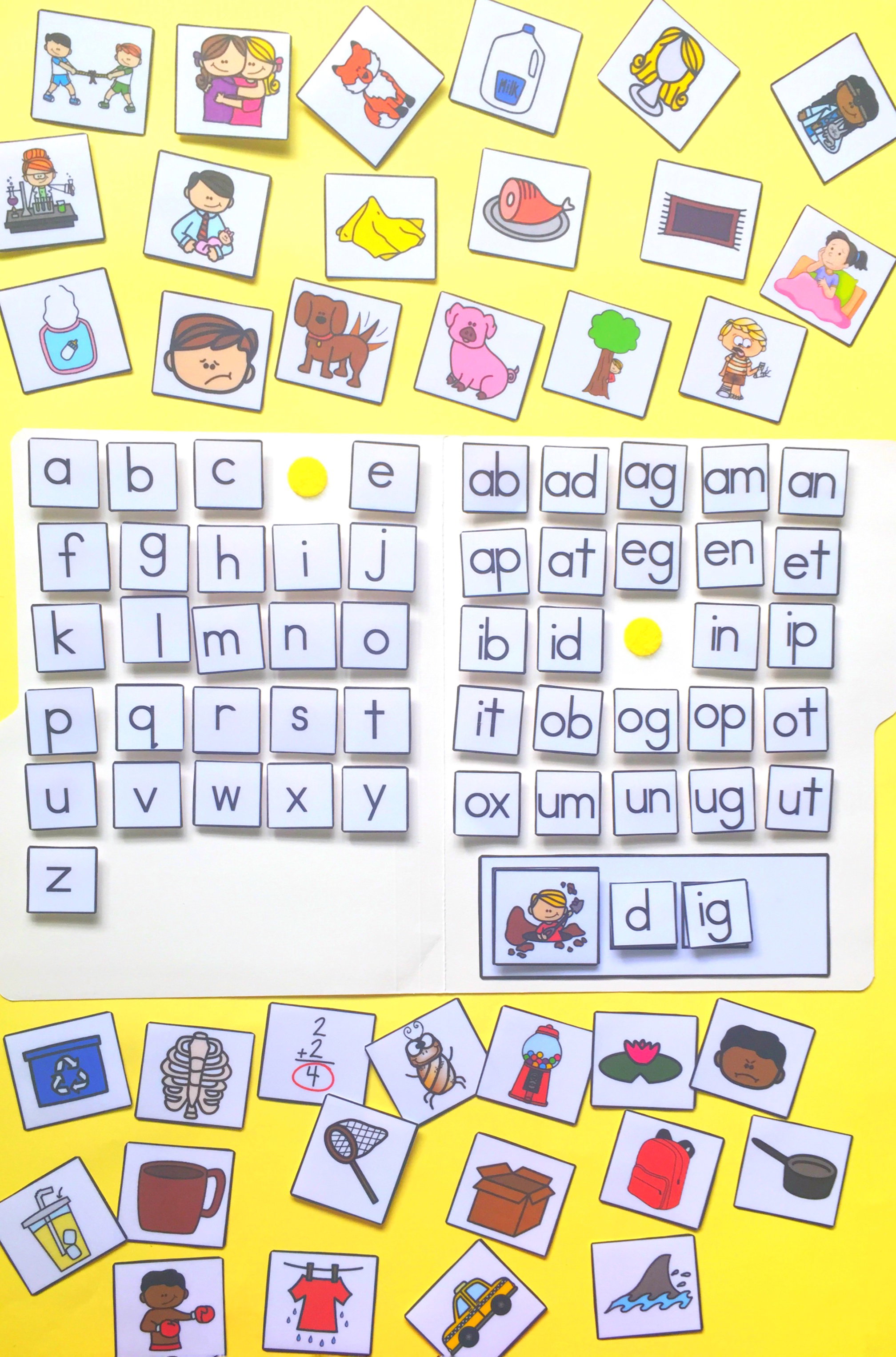
4. Rhyming Words Kindergarten Activity Turn this into a game of “Find which Rhymes!” Rhyming helps with phonemic awareness and is just plain fun. Dog? Log. Sun? Bun.
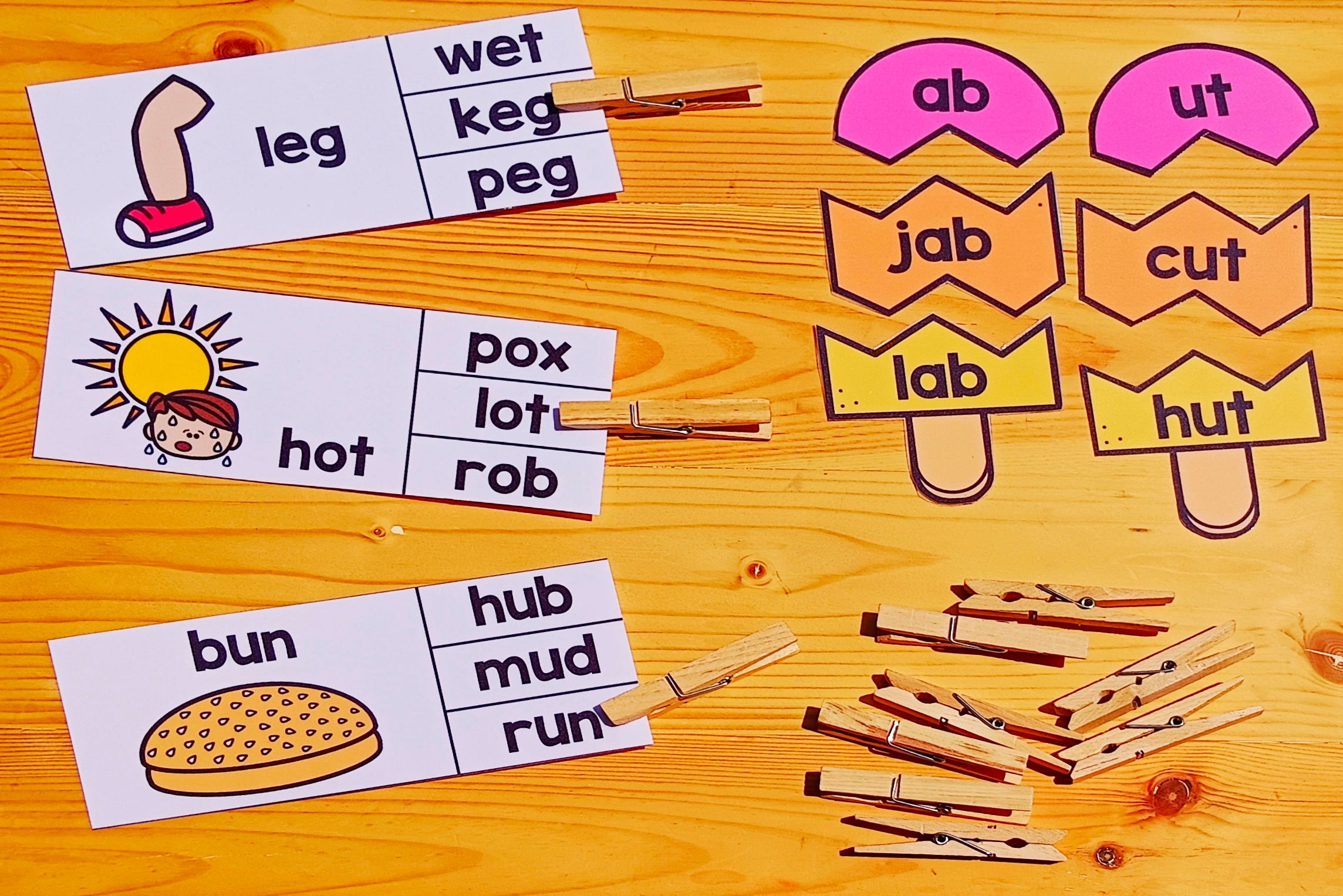
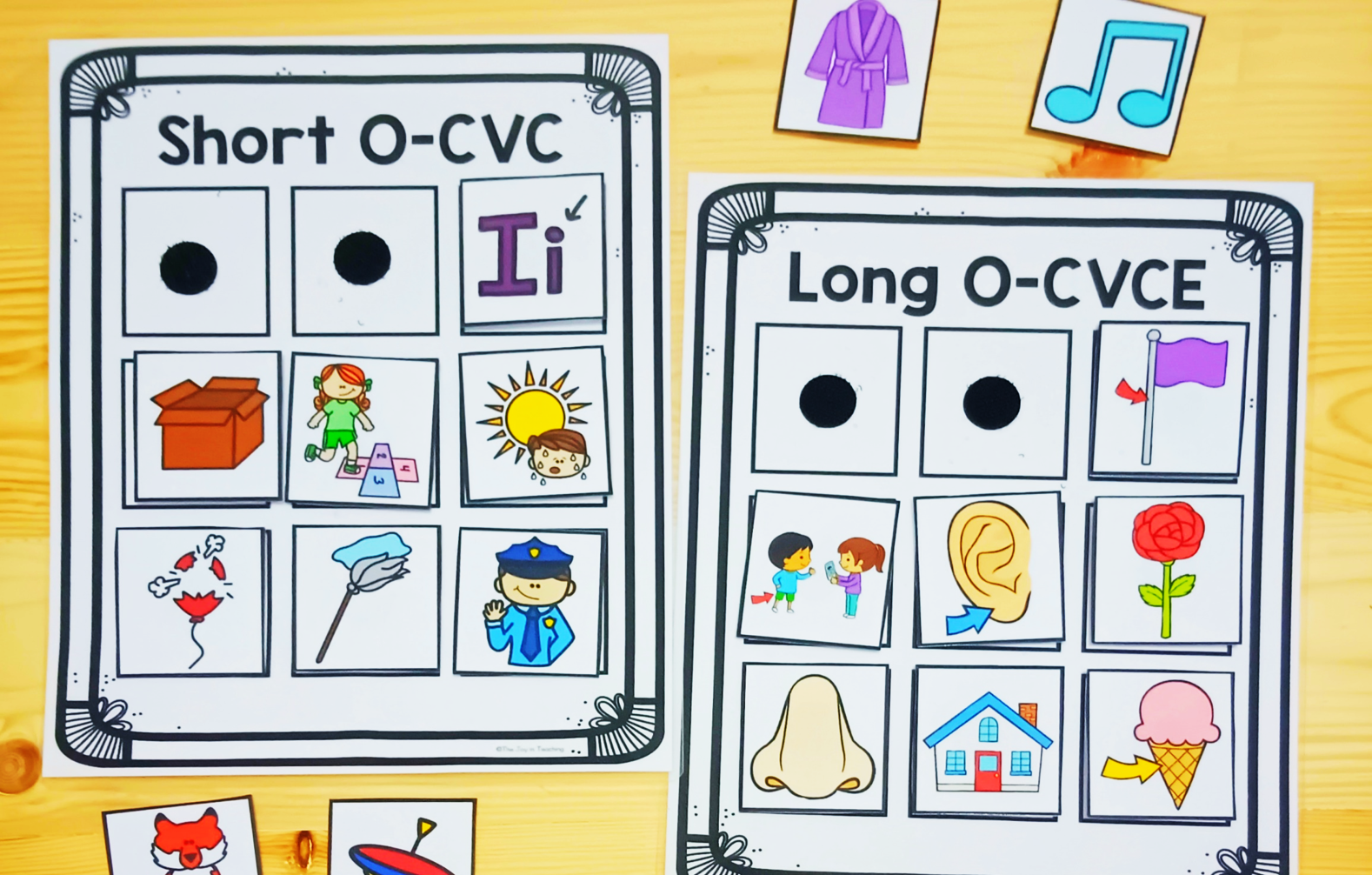
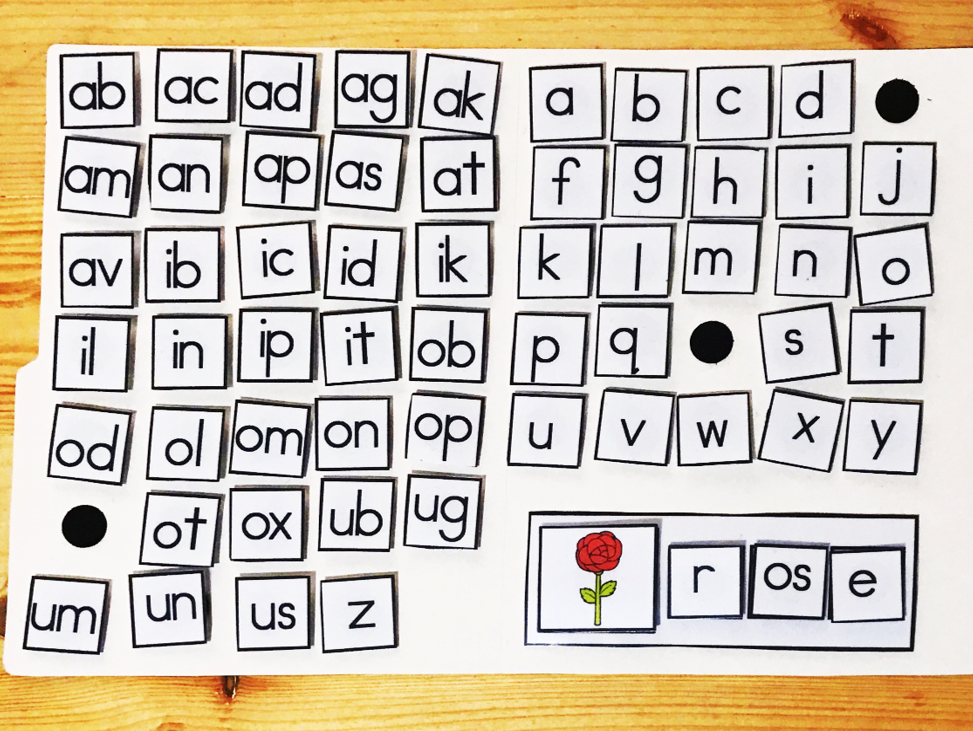
6. CVCE Builder Let students make their own magic-e words. They’ll love turning kit into kite like tiny wizards.
7. Hard and Soft C Sorting Activity | Hard and Soft G Sorting Activity Sort cards by sound.
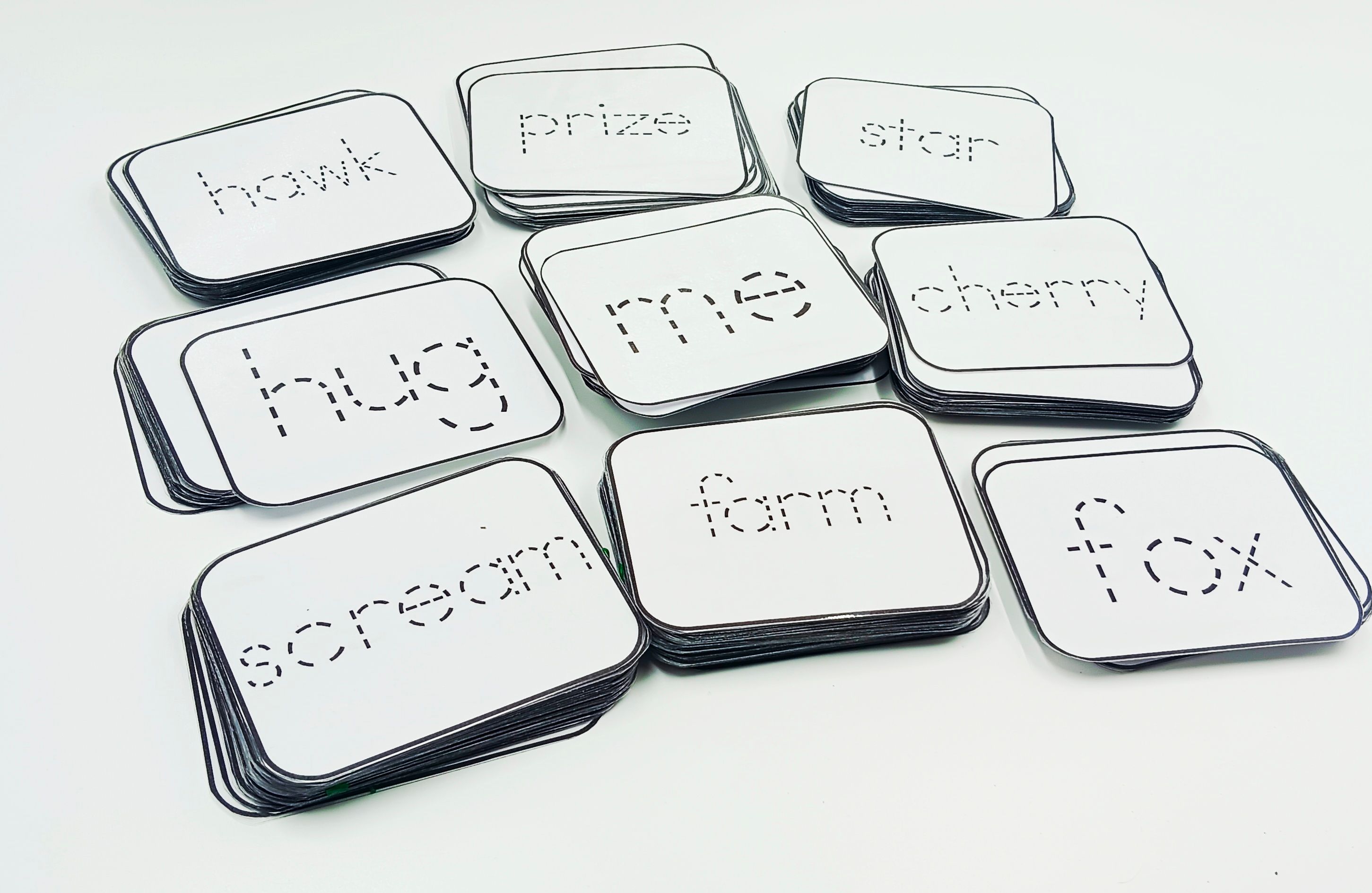
8. Phonics Tracing Flashcards Bundle Practice writing letters and words while reinforcing sounds. Great fine motor practice too.
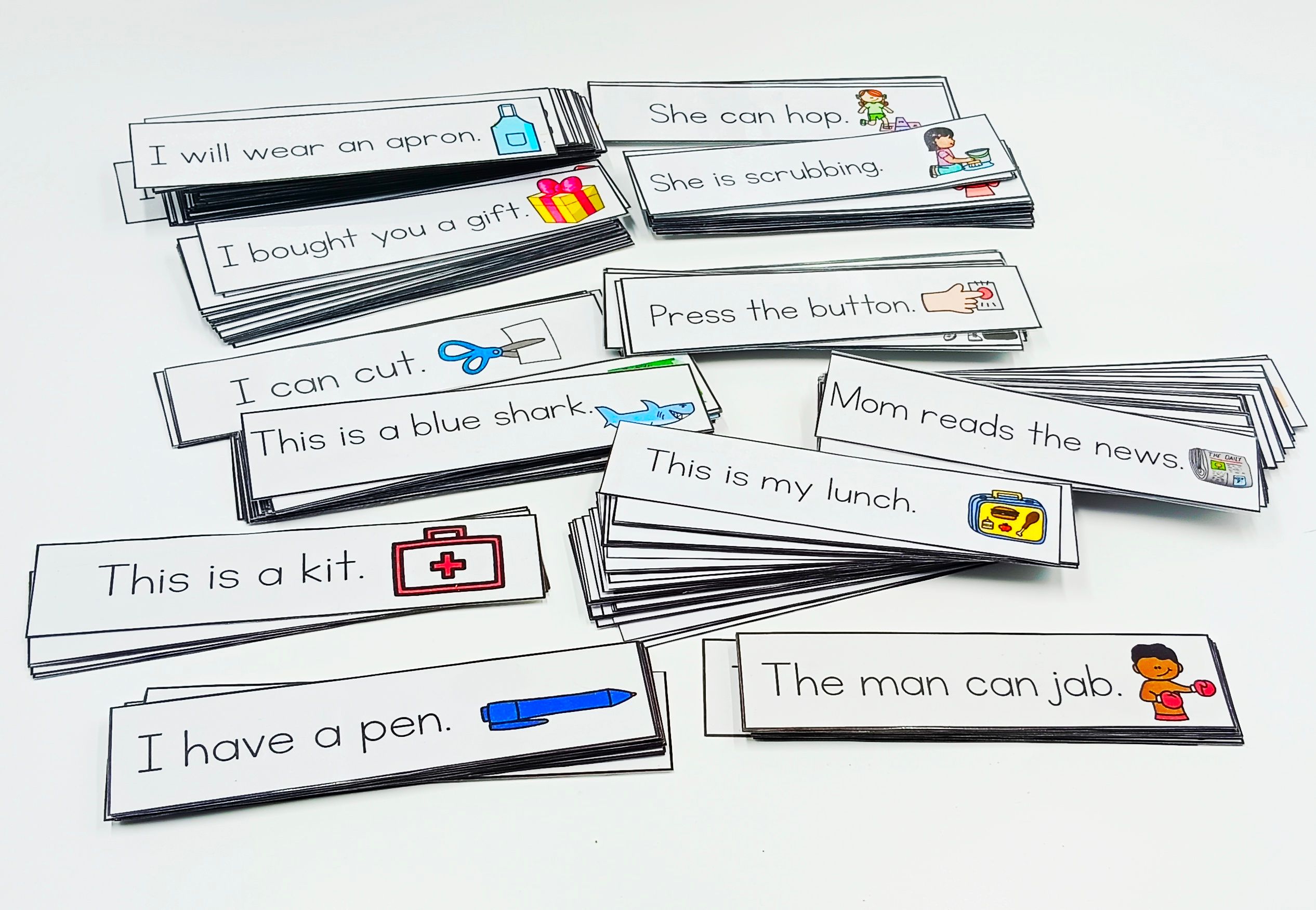
9. Phonics Sentence Flashcards Bundle Build confidence with simple sentences using phonics-based words. “The pig is big”, it’s a win for a beginning reader!
Rotate weekly to keep it fresh — and watch your students thrive.
💬 How Do You Manage Centers Without Losing Your Voice (Or Mind)? Here are your golden rules:
✅ Model. Model. Model. Then model some more.
✅ Use visuals to show what goes where.
✅ Use simple rotation signals (chimes, timers, lightsaber sounds—get creative).

✅ Have early finishers work on bonus activities or read quietly.
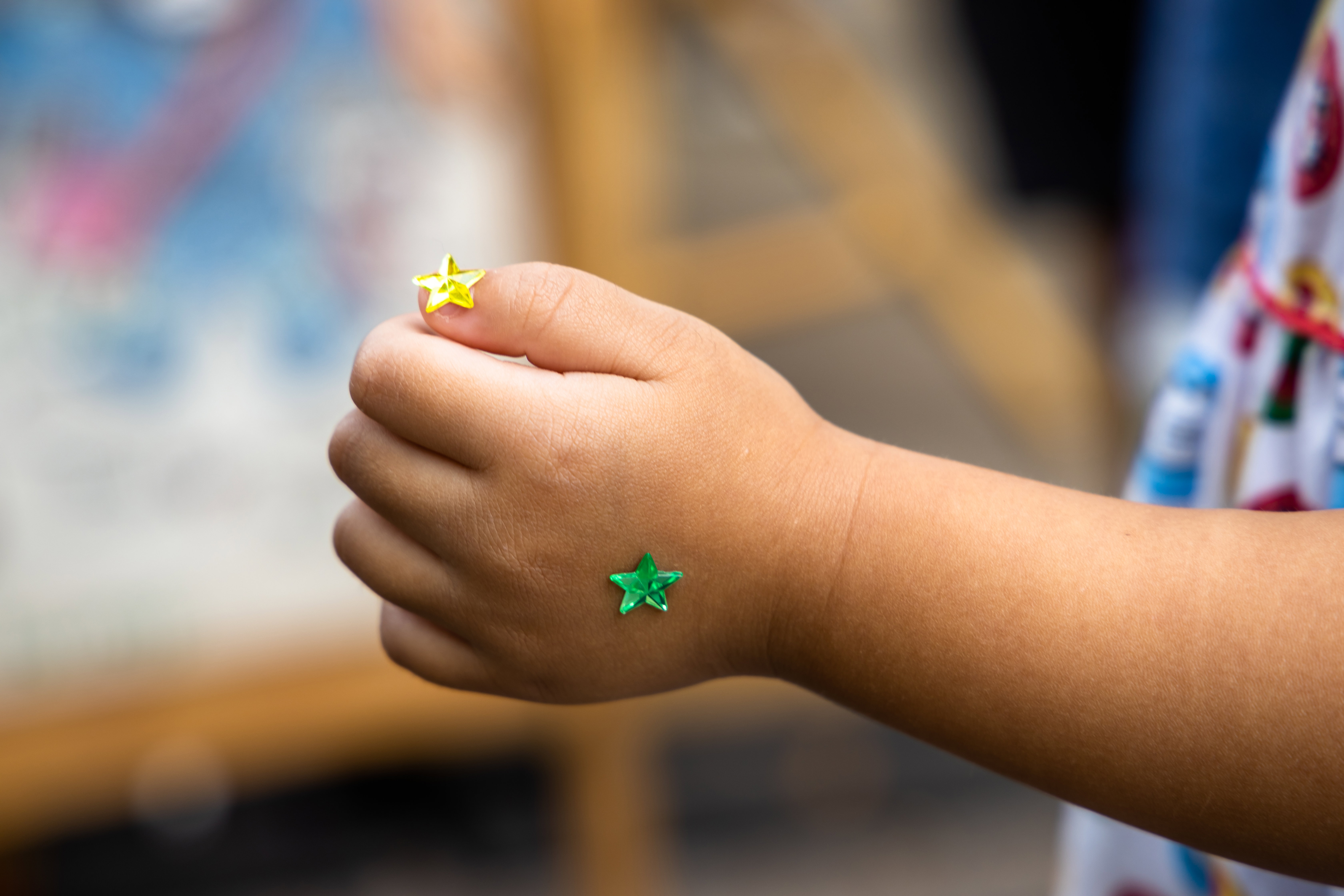
✅ Celebrate their independence — stickers, praise, or a class-wide “Yay, we did it!” dance work wonders.
And remember: It doesn’t have to be perfect to be powerful. Even when a student is wearing a rhyming card as a hat, they’re still learning (probably).
Final Thoughts (And a Pep Talk) Setting up literacy centers may feel a bit like planning a wedding, opening a small business, and refereeing a dodgeball game all at once — but it’s worth it. These centers:
✔ Empower students
✔ Support diverse learning styles
✔ Reinforce essential literacy skills
✔ Help YOU teach more effectively (and sanely) So go forth, brave educator! May your centers run smoothly, your phonics be strong, and your dry erase markers never run dry. 🎉 And if you need a little help getting started, the Phonics Literacy Centers Bundle is here to make your literacy dreams come true — with everything you need in one colorful, skill-packed PDF. You’ve got this. 💪📚
Follow Me for More Teaching Tips with Joy For more tips, resources, and a daily dose of teaching joy, follow me on:
Got questions or want to share your success stories? Drop me an email at thejoyinteaching@gmail.com. I love hearing from fellow educators and parents! Happy Teaching!
Joy Medalla
The Joy in Teaching 💛