How to Teach Repeated Addition: A Fun and Engaging Guide for Parents and Teachers
If you're a parent or a teacher, you've probably faced the challenge of explaining multiplication to young learners. The concept can feel overwhelming at first, but there’s a simple and effective way to introduce it: repeated addition. By connecting multiplication to something children already know, it becomes much easier to understand and apply. Today, we’ll explore how to teach multiplication using Repeated Addition, along with practical tips and activities you can use at home or in the classroom. So, grab your teaching hats, and let’s dive in!
What Is Repeated Addition?
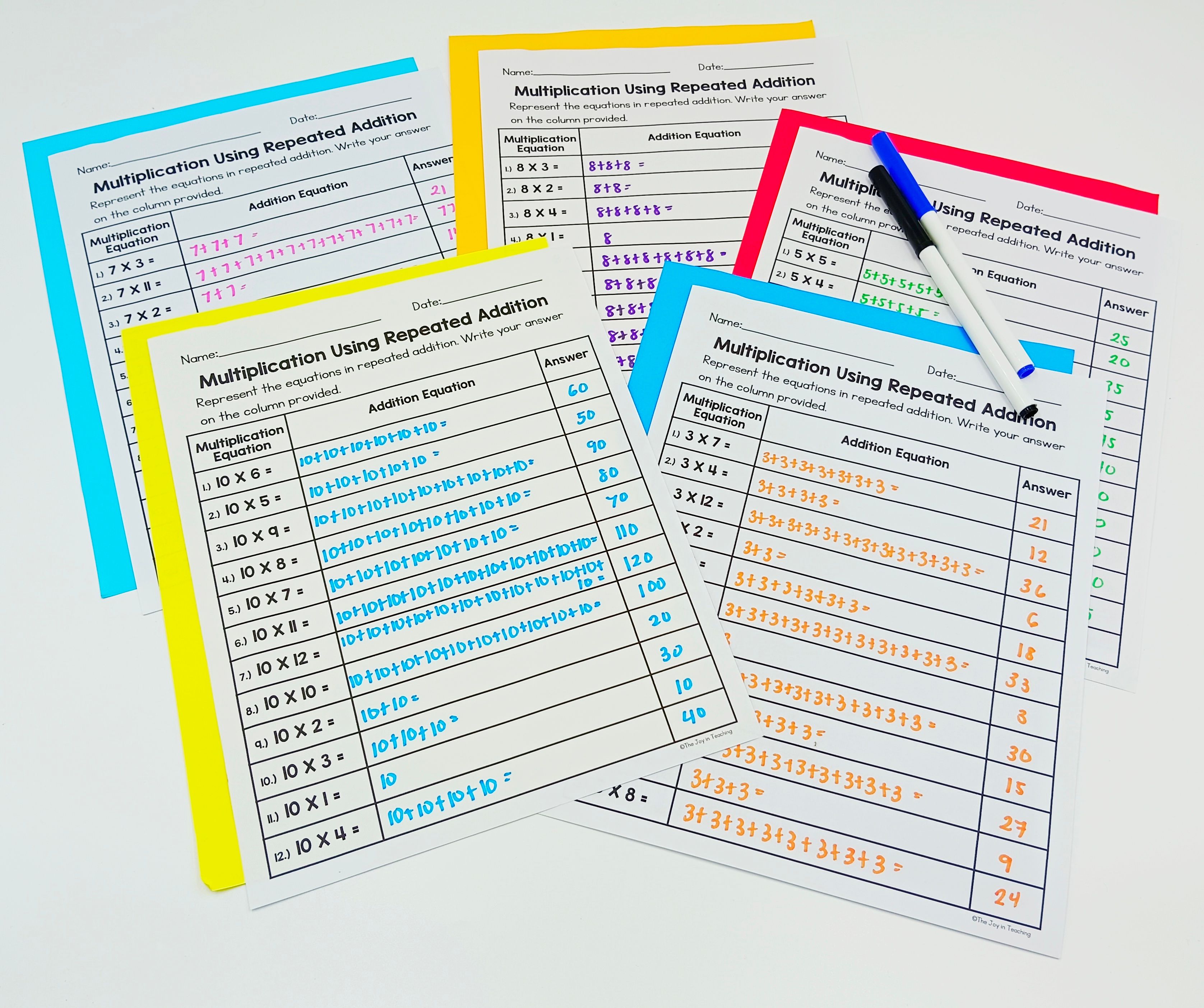
Before we go deeper, let’s break down what repeated addition means. Simply put, it is adding the same number multiple times. For example, 3 + 3 + 3 + 3 is the same as 4 × 3. This helps children see multiplication as grouping equal numbers together rather than learning something completely new.
Simple Examples You Can Use Right Away
Here are a few quick repeated addition examples you can try with learners:
- 2 + 2 + 2 = 3 × 2
- 5 + 5 + 5 + 5 = 4 × 5
- 1 + 1 + 1 + 1 + 1 = 5 × 1
- 3 + 3 + 3 = 3 × 3
You can also ask students to draw groups (like 3 circles with 4 stars in each) to help them visualize what is happening. This makes the connection between addition and multiplication much clearer.
Teacher Tip: Start with small numbers (like 2s, 5s, and 10s) before moving to higher facts so students can build confidence early.
Why Use Repeated Addition to Teach Multiplication?
Relatability: Students already understand basic addition, so this builds on familiar ground.
Simplicity: It breaks multiplication into smaller, easier steps.
Foundation: It prepares learners for more advanced math concepts later on.
Making Learning Fun: Tips and Tricks
Teaching repeated addition doesn’t have to feel repetitive. Here are simple ways to make it engaging and enjoyable:
1. Use Visual Aids
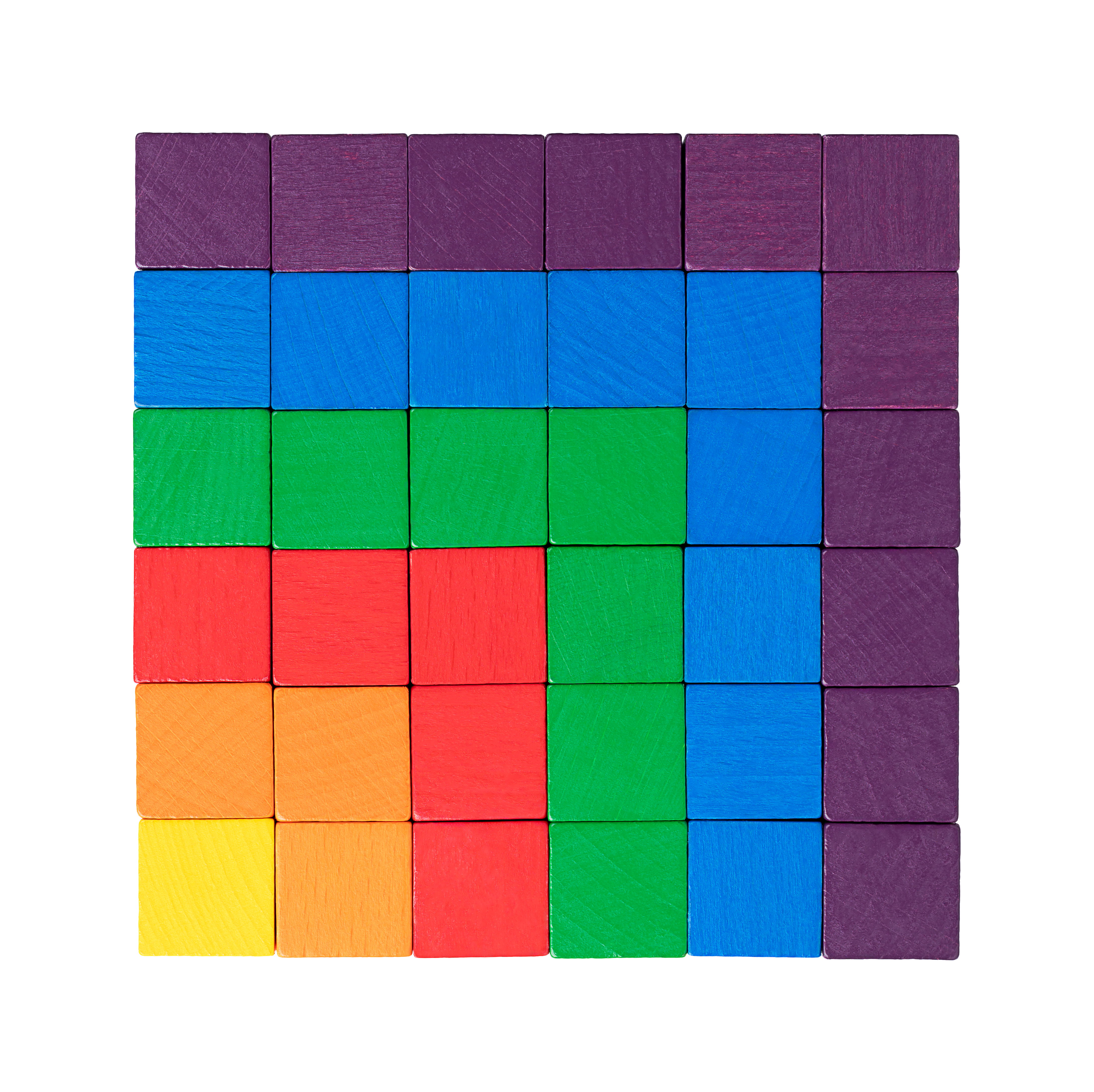
Use objects like blocks, fruits, or drawings to show equal groups. Seeing the groups helps students understand what is happening.
2. Incorporate Games
Turn practice into play with matching games or simple challenges where students solve repeated addition problems.
3. Interactive Practice
Let students work on quick exercises in pairs or small groups to encourage participation and collaboration.
4. Story Problems
Create simple real-life situations, like sharing items equally, to help students connect math with everyday life.
5. Physical Movement
Use clapping, jumping, or stepping to represent groups, making learning more active and memorable.

Building Confidence Through Practice
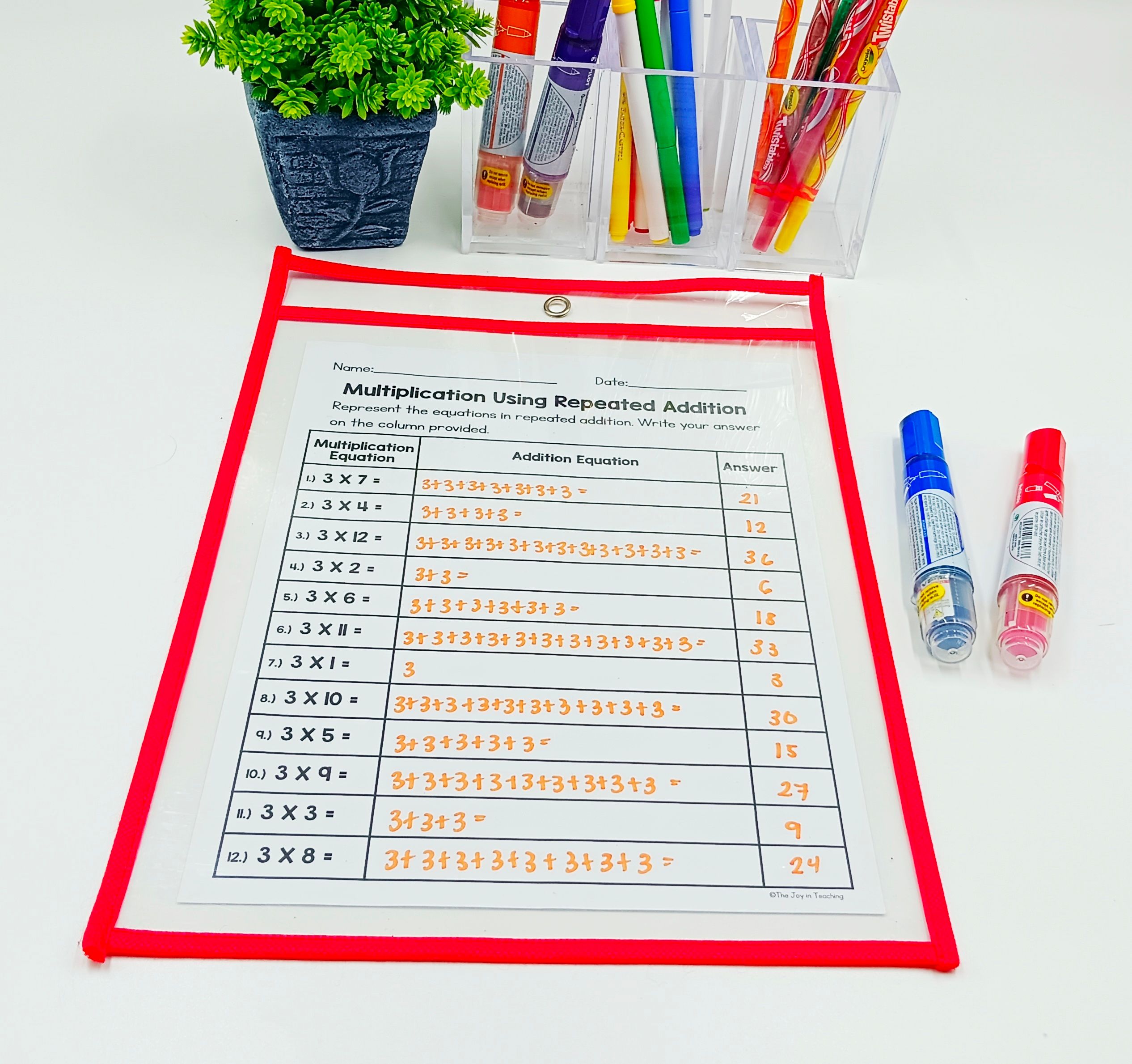
As students begin to understand repeated addition, regular practice helps strengthen their skills. Structured activities allow them to apply what they’ve learned and recognize patterns more easily, which is an important step toward mastering multiplication.
Conclusion
Teaching multiplication through repeated addition is a powerful way to help young learners build a strong foundation in math. When students can visualize and practice grouping numbers, multiplication becomes clearer and less intimidating. For extra reinforcement, you may also use simple repeated addition worksheets to give students guided practice during lessons, homework, or learning centers. These small steps can make a big difference in helping them gain confidence and fluency. The key is to keep learning visual, interactive, and enjoyable—so students don’t just learn math, they actually understand it. Happy teaching!
Follow Me for More Teaching Tips with Joy For more tips, resources, and a daily dose of teaching joy, follow me on:
Got questions or want to share your success stories? Drop me an email at thejoyinteaching@gmail.com. I love hearing from fellow educators and parents! Happy Teaching!
Joy Medalla
The Joy in Teaching 💛